Why is one of Kyiv’s iconic authors now reviled in Ukraine?
-
 Loading...
 - Kuntum Chua
- 13 Mar 2023
- 71 Views
- 0 Like
- 0 Comment
The Master and Margarita author loved the Ukrainian capital, yet today attracts fierce opprobrium
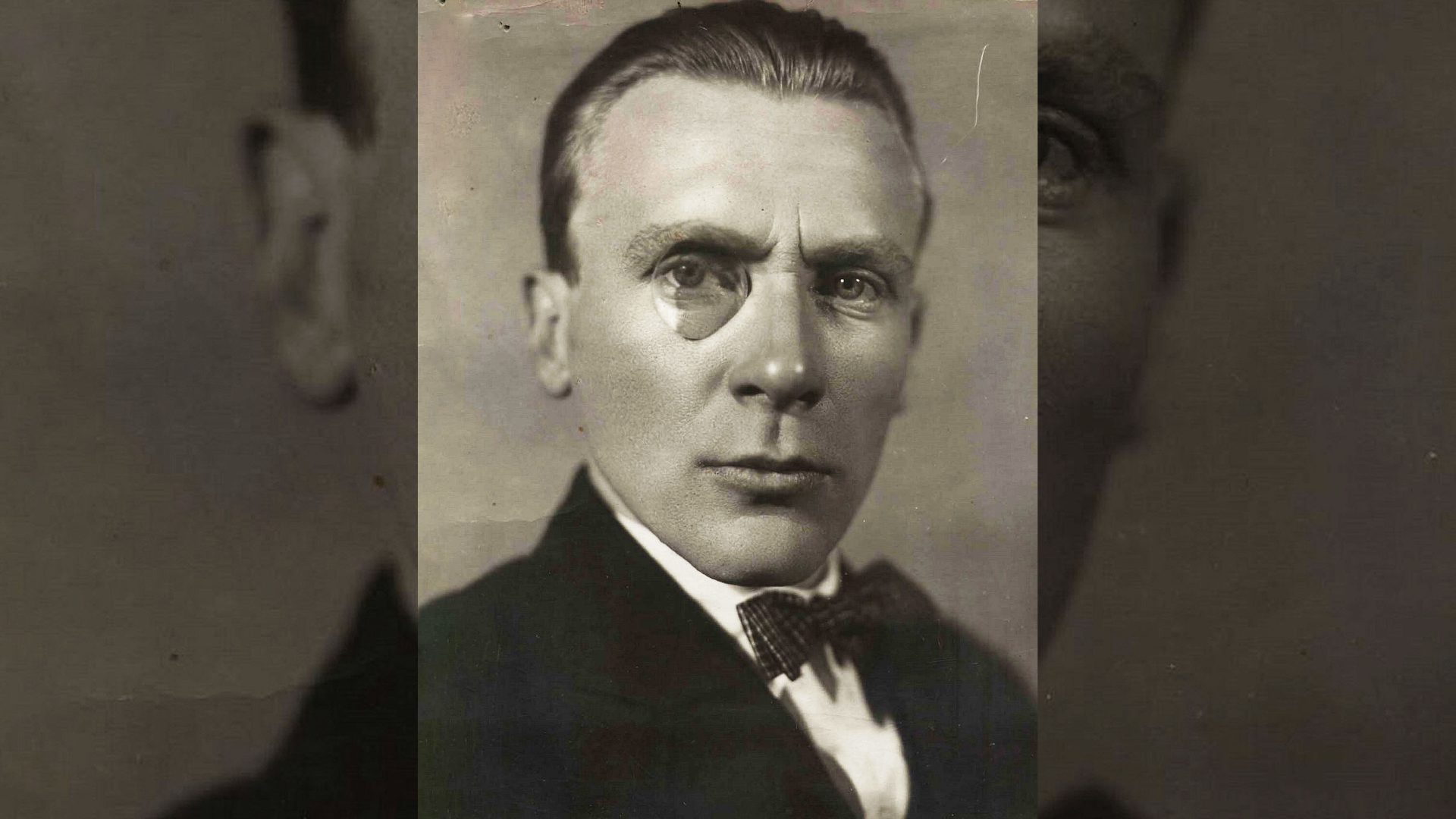
In August 1978, I went on holiday to Crimea with Mikhail, my elder brother. As soon as we arrived in the village we were staying in, which was near the town of Sudak, we went to the library to see what they had. In a one-storey brick building, a young librarian signed us up as temporary members and with a sly smile mentioned that they had the two issues of Moscow magazine that contained Mikhail Bulgakov’s famous novel The Master and Margarita. We were interested – but in a twist which Bulgakov himself would have approved, the librarian then explained that the magazines were out on loan and we would have to join the queue. When our turn came we could borrow the magazines, but for one day only.
There were five readers in front of us in the queue – all from the Sokil holiday resort – a complex located close to the sea, near an ancient Genovese fortress and used exclusively by employees of the Soviet police and their families.
I was 17 years old and had already heard legends about Bulgakov. I had seen the house on Andriivsky Descent in Kyiv, where he had lived until 1919, and it had already piqued my interest. He was a legendary writer, his reputation only enhanced by the fact that his work was notoriously hard to get hold of – much of it had only ever circulated as Samizdat. The Master and Margarita was only made available in 1967 and even then in censored form.
Five days later, we were finally able to borrow the magazines and start reading. We read all day and part of the night, and by the end I had become a full-scale Bulgakov fanatic, one of hundreds of thousands, if not millions, of fans throughout the Soviet Union and beyond. I realised for the first time that in the USSR writers wrote not only boring, realistic prose but also stories completely free of ideology – wild fantasies of magic and devilry.
The plot of The Master and Margarita is almost impossible to describe. It is a swirl of interlocking characters and stories that jumps around in place and time, the combination of fantasy and humdrum normality making it an early example of magic realism. Bulgakov conjured up a story that involved not only Soviet functionaries and bickering literary scholars, but also a talking cat, Pontius Pilate and even the Devil himself. The story is set primarily in Moscow, which Bulgakov turns into a surreal playground for the Devil’s entourage, who drive the city into a state of pandemonium. In a dangerous political twist, these unwanted visitors are depicted as being more powerful even than the Communist Party itself. Read More…