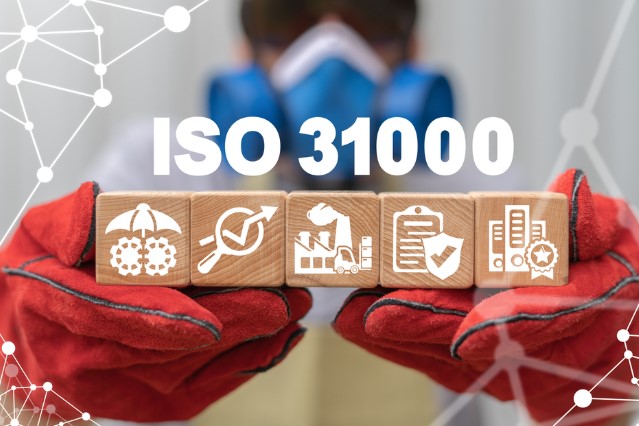
Why ISO 31000 Matters: Principles and Guidelines for Future-Proofing Your Business
-
 Loading...
 - Speeki Ltd.
- 10 Jan 2025
- 60 Views
- 0 Like
- 0 Comment
In today’s volatile and unpredictable business environment, risk management has become an essential part of strategic planning. To stay competitive and resilient, companies must proactively identify, assess, and manage risks.
In today’s volatile and unpredictable business environment, risk management has become an essential part of strategic planning. To stay competitive and resilient, companies must proactively identify, assess, and manage risks. One of the most widely recognised frameworks for doing this is ISO 31000 risk management principles and guidelines, a set of international guidelines that can help businesses navigate challenges and position themselves for long-term success. Understanding why ISO 31000 matters and how it can future-proof your business is crucial for any organisation seeking to improve its resilience.
What is ISO 31000?
ISO 31000 is an internationally recognized standard for risk management that provides principles and guidelines to help organizations develop a risk management process that is consistent, integrated, and effective. While it is not a certification, ISO 31000 offers a comprehensive approach to managing risks across various sectors and industries, from financial services to manufacturing.
The ISO 31000 risk management principles and guidelines emphasize a holistic and proactive approach to risk, encouraging businesses to not only minimize potential threats but also seize opportunities that can arise from managing risks effectively. Its core principles are designed to integrate risk management into organizational culture and decision-making processes at all levels.
Key Principles of ISO 31000
ISO 31000 is based on several key principles that ensure risk management is an integral part of an organisation’s overall strategy. These principles help businesses align their risk management efforts with their goals and create a more resilient framework for decision-making.
1. Integrated Approach
Risk management should be integrated into all aspects of an organisation’s operations. It is not a standalone activity but a continuous part of decision-making and strategic planning. ISO 31000 risk management principles and guidelines emphasise that risk management should be embedded in organisational processes, from governance to day-to-day operations, ensuring that all stakeholders are involved in identifying, assessing, and mitigating risks.
2. Structured and Comprehensive Process
ISO 31000 promotes a structured and systematic approach to risk management. The process includes identifying potential risks, assessing their impacts, and evaluating the likelihood of their occurrence. By following a well-defined methodology, businesses can ensure that they are addressing both known and unforeseen risks in a comprehensive manner.
3. Proactive Risk Management
Rather than reacting to risks after they have occurred, ISO 31000 encourages businesses to take a proactive approach to risk management. This involves anticipating potential risks, planning for them, and implementing strategies to either mitigate or avoid their impact before they materialise. A proactive mindset enables businesses to act swiftly and decisively in the face of challenges.
4. Continuous Improvement
ISO 31000 advocates for continuous improvement in the risk management process. By regularly reviewing and updating risk management strategies and practices, businesses can adapt to changing environments and emerging risks. This principle ensures that organisations are constantly evolving to stay ahead of potential threats.
5. Inclusive Stakeholder Engagement
Risk management should involve all relevant stakeholders within the organisation. This ensures that the perspectives of employees, managers, and executives are considered when assessing and managing risks. Engaging stakeholders in the process promotes transparency, increases buy-in, and helps identify risks that may otherwise go unnoticed.
Why ISO 31000 Matters for Your Business
ISO 31000 risk management principles and guidelines are more than just a set of guidelines—they are a framework that can help future-proof your business. Adopting ISO 31000 can enhance decision-making, improve organisational resilience, and drive business success. Here’s how it benefits companies:
1. Improved Decision-Making
By providing a structured approach to assessing risks and opportunities, ISO 31000 helps businesses make better-informed decisions. When companies understand the risks they face, they are more likely to take calculated actions that align with their strategic objectives. This reduces uncertainty and enables companies to make decisions with confidence.
2. Enhanced Risk Awareness
Implementing ISO 31000 helps build a risk-aware culture within the organisation. Employees at all levels become more conscious of the risks associated with their roles and the company’s overall objectives. This heightened awareness allows organisations to act more swiftly and effectively in addressing potential threats before they escalate.
3. Resilience Against Uncertainty
ISO 31000 equips businesses to better manage uncertainty by ensuring they are prepared for various scenarios. Whether dealing with economic volatility, natural disasters, or regulatory changes, ISO 31000 helps companies develop flexible and adaptive risk management strategies that improve their resilience. The framework ensures businesses are not caught off guard when unexpected challenges arise.
4. Compliance and Legal Protection
For many industries, managing risk is not just a best practice—it’s a legal requirement. ISO 31000 helps businesses comply with various regulatory requirements related to risk management. By adopting an internationally recognised standard, companies can demonstrate due diligence and reduce the risk of legal repercussions, which can be particularly important in sectors such as finance, healthcare, and manufacturing.
5. Operational Efficiency
A well-implemented risk management process helps companies streamline operations by identifying potential inefficiencies and minimising disruptions. By managing risks in a proactive manner, businesses can reduce downtime, improve productivity, and optimise resource allocation. This results in cost savings and enhances overall operational efficiency.
6. Stronger Reputation and Stakeholder Confidence
Companies that consistently manage risks effectively tend to earn a positive reputation. By implementing ISO 31000, businesses demonstrate their commitment to responsible risk management and their ability to handle uncertainties. This builds trust with investors, clients, employees, and other stakeholders, strengthening relationships and enhancing the company’s reputation in the market.
Steps to Implement ISO 31000 in Your Organization
Adopting ISO 31000 requires a strategic approach to ensure its principles are embedded across all levels of the organisation. Here are the key steps to implement ISO 31000:
1. Leadership Commitment
Successful implementation of ISO 31000 starts with a commitment from the leadership team. Senior management must champion risk management practices and allocate the necessary resources for implementation.
2. Risk Identification and Assessment
Begin by identifying and assessing potential risks. This involves gathering input from various departments and stakeholders to identify both internal and external risks that could impact the organisation.
3. Develop Risk Management Strategies
Once risks are identified, develop strategies to mitigate or manage them. This may involve risk avoidance, risk transfer, risk reduction, or risk acceptance, depending on the nature of the risk.
4. Monitor and Review
After implementing risk management strategies, continuously monitor their effectiveness and adjust as needed. Regular reviews will ensure that the risk management process remains dynamic and relevant.
Conclusion
ISO 31000 provides a comprehensive framework for managing risks in today’s unpredictable business landscape. By following its principles and guidelines, organisations can not only protect themselves from potential threats but also capitalise on opportunities that arise from effective risk management. Adopting ISO 31000 risk management principles and guidelines enables businesses to future-proof themselves, ensuring long-term success and resilience in an ever-changing world.


