Nigeria’s Inflation Could Fall to 27% by December 2025
-
 Loading...
 - Angelina Eshiet
- 10 Jan 2025
- 44 Views
- 0 Like
- 0 Comment
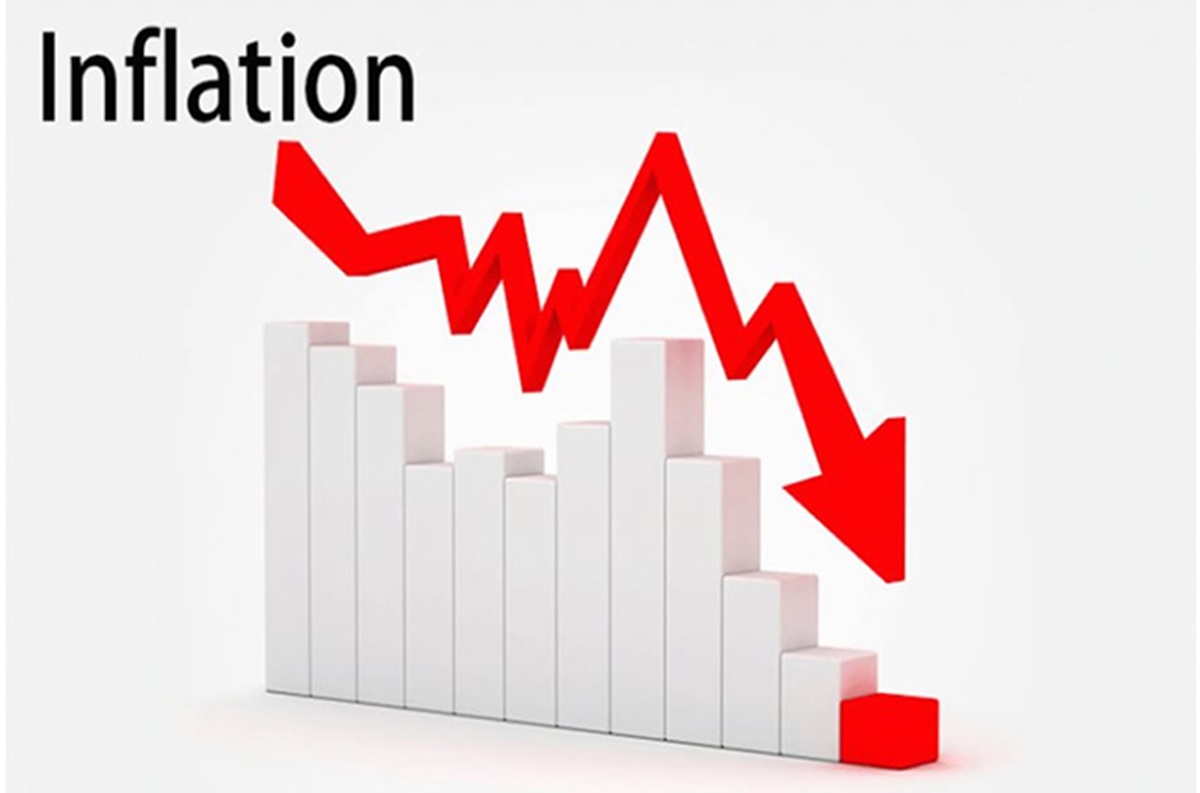
According to the latest NESG-Stanbic IBTC Business Confidence Monitor report, Nigeria’s inflation rate is projected to decrease to 27.1% by December 2025. This forecast brings a glimmer of hope to consumers and businesses grappling with prolonged economic challenges, suggesting that structural improvements are beginning to yield positive results despite ongoing hurdles.
Current Economic Landscape
Inflation remains a significant concern for Nigeria’s economy, driven by rising fuel prices and currency depreciation, which have escalated costs across various sectors. The report highlights that the elimination of fuel subsidies and the liberalization of the foreign exchange market in 2024 exacerbated inflationary pressures. However, the report anticipates that these pressures will gradually ease in 2025.
While headline inflation is expected to continue rising through the first nine months of 2025, a sharp decline is anticipated in the fourth quarter. The report states, “Except for any unforeseen negative shocks to petrol prices, we expect headline inflation to remain sticky in 9M:25 but settle below 30.0% from September 2025 as high petrol costs smooth out the year-on-year headline inflation.”
Projections and Monetary Policy Implications
The report projects that headline inflation may average 30.5% year-over-year in 2025, ultimately settling at 27.1% by December. This projection is based on an assessment of the USD/NGN exchange rate, fiscal deficits, and food production levels.
As inflation is expected to slow down, the Central Bank of Nigeria's Monetary Policy Committee may adopt a more accommodating stance, potentially lowering interest rates to stimulate economic growth later in 2025.
Business Performance Insights
The report also notes a minor recovery in corporate performance attributed to seasonal festive demand in December 2024. The Current Business Performance Index improved to +0.77, a significant rise from -2.74 in November, indicating a slight uptick in business activity—the first positive figure since September 2024.
However, performance varied across industries. Agriculture emerged as the best-performing sector, driven by increased harvest activities and demand for produce, achieving a net balance of +13.93. The non-manufacturing sectors also showed resilience with a net balance of +5.80, while the manufacturing, trade, and services sectors faced considerable challenges.
The Future Business Expectation Index, which gauges optimism about business conditions, stood at +28.61 in December, down from +33.17 in November. Despite this decline, businesses remain cautiously optimistic about improved conditions in the first quarter of 2025, particularly in manufacturing, non-manufacturing, and agriculture.
Challenges Ahead
Despite the cautious optimism, businesses continue to face significant challenges, including high operating costs exacerbated by inflation and exchange rate fluctuations. Power outages remain a critical issue, forcing many companies to rely on expensive alternative energy sources. Additional challenges include insecurity, limited access to capital, and burdensome tax regulations.
Although there was a slight improvement in credit availability in December (net balance of +8.25), the high cost of borrowing continues to deter investment. The report also highlights ongoing structural issues that hinder economic growth, as reflected in the +50.32 increase in the Cost of Doing Business Index in December.
Economic Growth Outlook
Despite these challenges, the report offers a cautiously optimistic outlook for Nigeria’s economic growth in 2025. The country’s GDP is expected to rise from an anticipated 3.2% in 2024 to 3.5% in 2025, driven by improved conditions in key sectors such as manufacturing, non-manufacturing, and agriculture.
The anticipated reduction in inflation and stabilization of currency rates are expected to bolster consumer spending and overall economic activity, providing a much-needed boost to Nigeria’s economy.
While the projected decline in Nigeria’s inflation rate to 27.1% by December 2025 offers a hopeful outlook, it is essential for the government and relevant stakeholders to address the underlying structural issues that continue to impede economic growth. By focusing on improving infrastructure, enhancing access to credit, and ensuring stable energy supply, Nigeria can pave the way for a more resilient economy that supports its citizens and fosters sustainable development.