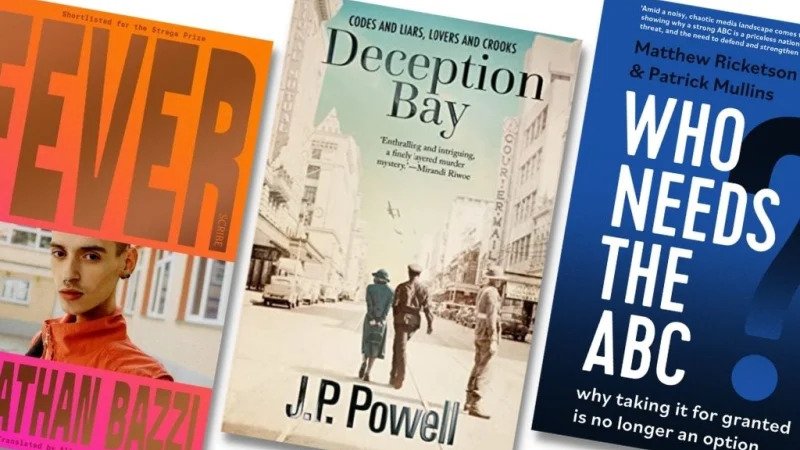
Why we need the ABC, a brooding wartime thriller and six other books to read
-
 Loading...
 - Layla Fouad
- 25 May 2022
- 285 Views
- 0 Like
- 0 Comment
Fiction pick of the week
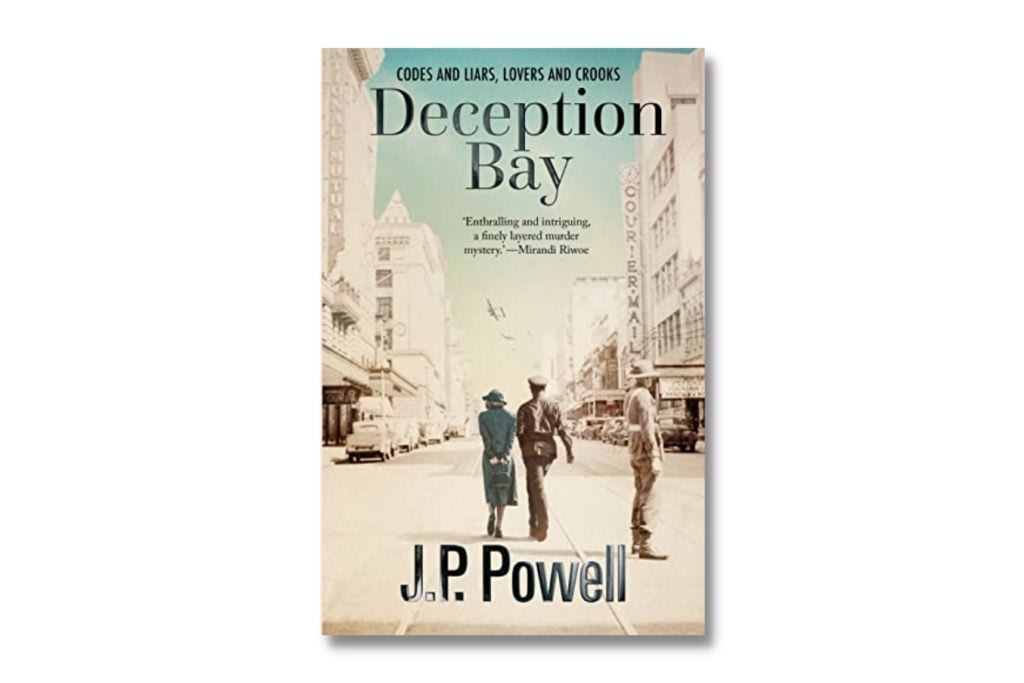
Deception Bay
The second in a series of historical thrillers set in wartime Brisbane, Deception Bay follows The Brisbane Line and reunites the characters introduced in it. In this one, American investigator Joe Washington teams up with Australian Rose McAlister, who has returned to working for a covert group of code breakers (at a kind of Antipodean Bletchley Park) during WWII.
The Brisbane River is almost a character in this brooding period crime novel: it disgorges a human arm with a strange tattoo near a submarine base; it was the last look for a cryptographer who appears to have jumped from a bridge in a presumed suicide. Yet a trail of clues leads Washington and McAlister into the murky underside of Brisbane itself, with a criminal demimonde and a corrupt cop lying in wait for them.
An atmospheric thriller that will appeal to fans of something like The Bletchley Circle as well as more hard-boiled noir.
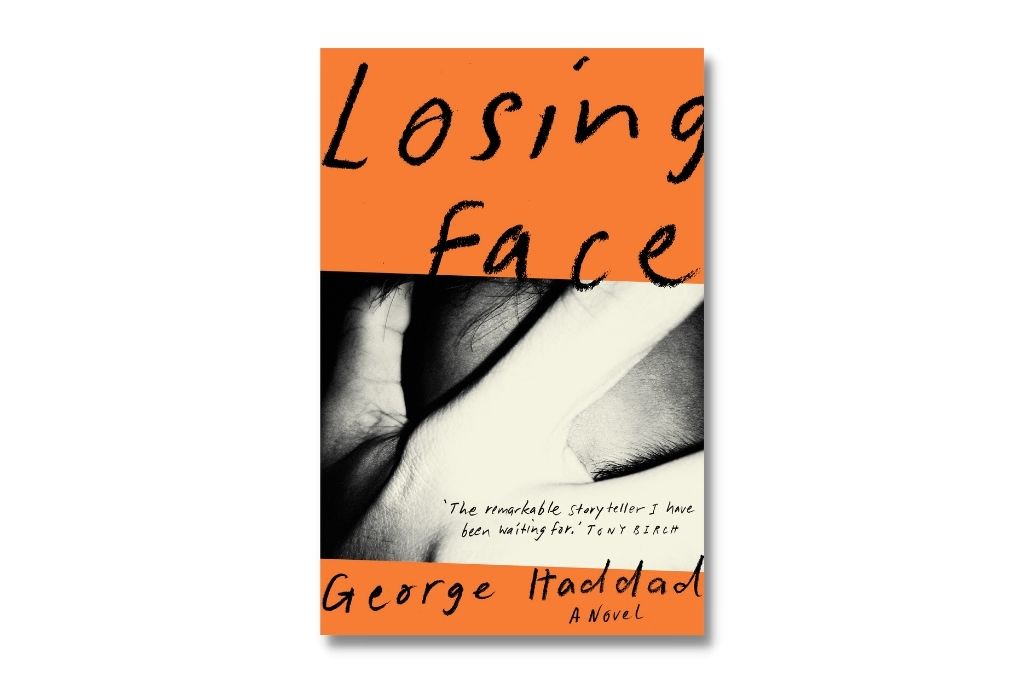
Losing Face
George Haddad
George Haddad’s Losing Face unites three generations of a Lebanese-Australian family, weaving together a legacy of trauma, a clear-eyed examination of sexual crime and consent, and a stark coming-of-age story.
Joey is a young man numbed by his suburban existence. He drifts through life – working in the produce section at Woolies, experimenting with drugs with his mates – and his lack of assertiveness lands him in trouble with the law. He’s among a group of men arrested for a violent sexual crime in a public park and, as the events of that night are dissected in a courtroom, the narrative alternates with that of Joey’s family, especially his grandmother Elaine, whose own story contains shades of a double life.
Haddad’s sharp and sensitively drawn realism is embedded in an astute psychogeography, instantly recognisable, of a rapidly gentrifying Western Sydney.

Fever
Jonathan Bazzi
This layered, award-winning novel from Jonathan Bazzi interlaces reflections on growing up queer in working-class Italy with a tense, visceral portrayal of living with HIV.
Jonathan’s childhood on the impoverished outskirts of Milan was difficult – a shy and stuttering boy who enjoys dressing as Wonder Woman was never going to fit in to an intensely homophobic neighbourhood, and the novel offers a vivid impression of the way that shaped events and emotions in Jonathan’s later life. Alternating with the flashbacks are chapters that follow Jonathan in the city as an adult. Nesting with his boyfriend and two dogs at 31, a low-level fever takes hold, and Jonathan embarks on a medical odyssey, and a dark night of the soul, after receiving an HIV diagnosis.
It’s an intensely rendered, unflinching, and strikingly written addition to queer literature that resists false uplift or sentimental gloss, tackles the issue of class head on, and doesn’t shy away from mental or emotional turmoil. Read More...