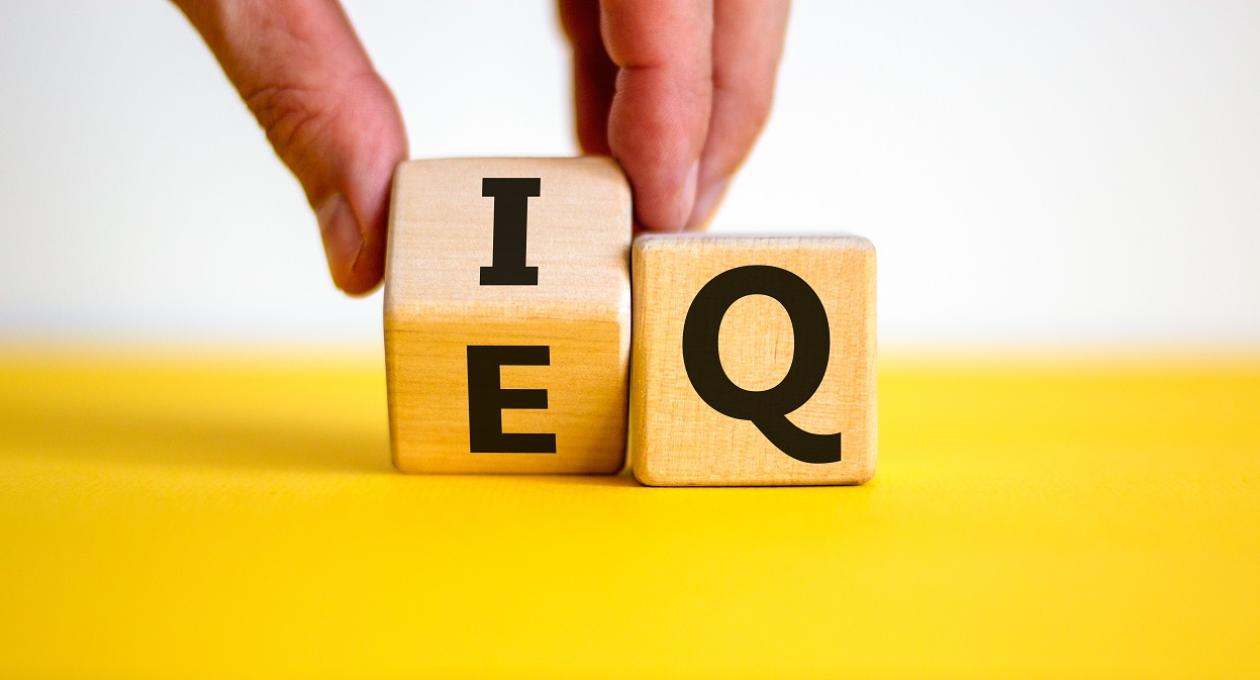
Why You Need Emotional Intelligence
-
 Loading...
 - Hope Atubo
- 13 Jun 2023
- 129 Views
- 0 Like
- 0 Comment
Emotional intelligence (EI) has become increasingly recognized as a crucial skill in today's fast-paced and interconnected world. With the rise of automation and artificial intelligence, the ability to understand and manage emotions is more important than ever. In this article, we will explore the reasons why you need emotional intelligence and how it can positively impact various aspects of your life. So, why exactly do you need emotional intelligence? Let's dive in and find out!
The Power of Emotional Intelligence
Emotional intelligence refers to the ability to recognize, understand, and manage both your own emotions and the emotions of others. It encompasses a range of skills, including self-awareness, empathy, emotional regulation, and effective communication. When you possess high emotional intelligence, you are better equipped to navigate complex social interactions, make informed decisions, and build strong relationships.
Improved Self-Awareness: Understanding Your Emotions
One of the key benefits of emotional intelligence is improved self-awareness. By developing a deep understanding of your own emotions, you can better navigate through life's challenges and make choices that align with your values and goals. Self-awareness allows you to recognize your strengths and weaknesses, enabling you to leverage your strengths and work on areas that need improvement.
Effective Communication: Building Stronger Relationships
Communication plays a vital role in all aspects of life, whether it's personal relationships or professional collaborations. Emotional intelligence enhances your ability to communicate effectively by helping you understand the emotions and needs of others. By actively listening and empathizing, you can foster stronger connections and resolve conflicts more constructively.
Emotional Regulation: Managing Stress and Resilience
Life can be stressful, and it's essential to have the ability to manage your emotions effectively. Emotional intelligence equips you with the tools to regulate your emotions and remain calm in challenging situations. This skill not only reduces stress but also enhances your resilience, allowing you to bounce back from setbacks and persevere in the face of adversity.
Empathy: Understanding Others' Perspectives
Empathy, the ability to understand and share the feelings of others, is a critical component of emotional intelligence. When you can put yourself in someone else's shoes, you can respond with compassion and build deeper connections. Empathy fosters a sense of belonging and promotes collaboration, making it an invaluable skill in both personal and professional settings.
Increased Leadership Effectiveness
Leadership requires more than just technical expertise; it demands strong interpersonal skills and the ability to inspire and motivate others. Emotional intelligence is a cornerstone of effective leadership, as it enables leaders to connect with their team members, understand their strengths and needs, and create an inclusive and supportive work environment. Leaders who possess emotional intelligence can navigate complex dynamics and drive positive change.
Enhanced Decision-Making Abilities
Decision-making is a constant part of our lives, and emotional intelligence can significantly impact the quality of our choices. By considering not only rational factors but also emotional aspects, you can make more well-rounded and informed decisions. Emotional intelligence helps you weigh the potential impact on yourself and others, leading to more thoughtful and ethical choices.
Better Conflict Resolution
Conflicts are inevitable in any relationship or workplace, but emotional intelligence provides the tools to resolve them effectively. By understanding your own emotions and those of others involved, you can approach conflicts with empathy and open-mindedness. Emotional intelligence enables you to find common ground, facilitate constructive dialogue, and reach mutually beneficial resolutions.
Improved Mental Health and Well-being
Emotional intelligence has a profound impact on mental health and overall well-being. By developing skills such as emotional regulation and self-care, individuals with high emotional intelligence can better manage stress, anxiety, and other mental health challenges. They are more likely to seek support when needed and prioritize their well-being, leading to a healthier and more fulfilling life.
FAQs
1. Why is emotional intelligence important in the workplace?
Emotional intelligence is crucial in the workplace because it fosters effective communication, teamwork, and leadership. It enhances relationships, reduces conflicts, and promotes a positive work environment, ultimately leading to increased productivity and job satisfaction.
2. Can emotional intelligence be learned?
Yes, emotional intelligence can be learned and developed over time. It requires self-reflection, practice, and a willingness to understand and manage emotions. With effort and persistence, anyone can improve their emotional intelligence.
3. How does emotional intelligence impact personal relationships?
Emotional intelligence plays a vital role in personal relationships by fostering empathy, effective communication, and understanding. It allows individuals to connect on a deeper level, resolve conflicts more constructively, and build healthier and more fulfilling relationships.
4. Can emotional intelligence be measured?
While emotional intelligence cannot be measured as precisely as other cognitive abilities, there are various assessments and tools available to gauge an individual's emotional intelligence. These assessments typically evaluate skills such as self-awareness, empathy, and emotional regulation.
5. How can I improve my emotional intelligence?
Improving emotional intelligence starts with self-awareness. Pay attention to your emotions, reflect on your responses, and seek feedback from others. Practice empathy, active listening, and emotional regulation. Engage in activities that promote self-care and stress management, such as mindfulness or journaling.
6. How can emotional intelligence benefit my overall well-being?
Emotional intelligence contributes to overall well-being by equipping individuals with the skills to navigate challenges, manage stress, build strong relationships, and make informed decisions. It promotes mental health, resilience, and a greater sense of fulfillment.
Emotional intelligence is a vital skill that has a far-reaching impact on various aspects of our lives. From improved self-awareness and effective communication to enhanced decision-making and conflict resolution, emotional intelligence empowers individuals to navigate the complexities of the modern world with grace and resilience. By cultivating emotional intelligence, you can foster personal growth, strengthen relationships, and lead a more fulfilling life. So, why do you need emotional intelligence? The answer is clear: it's an essential ingredient for success and well-being in today's interconnected world.


