Wild Swimming Safety Tips

There's nothing quite like the exhilaration of plunging into a secluded natural swimming hole, surrounded by the sights and sounds of the great outdoors. Wild swimming - the practice of swimming in rivers, lakes, ponds, and other untamed bodies of water - has exploded in popularity in recent years as more people seek to reconnect with nature and experience the meditative, restorative powers of immersing themselves in unspoiled aquatic environments.
However, this growing trend also comes with some inherent risks that every wild swimmer should be aware of. From strong currents and unpredictable depths to water quality concerns and the potential for wildlife encounters, there are a number of important safety factors to consider before taking the plunge. Whether you're a seasoned outdoor adventurer or a beginner looking to dip your toes into the world of wild swimming, arming yourself with the right knowledge and preparation can help ensure you have a thrilling yet safe experience.
The Allure of Wild Swimming
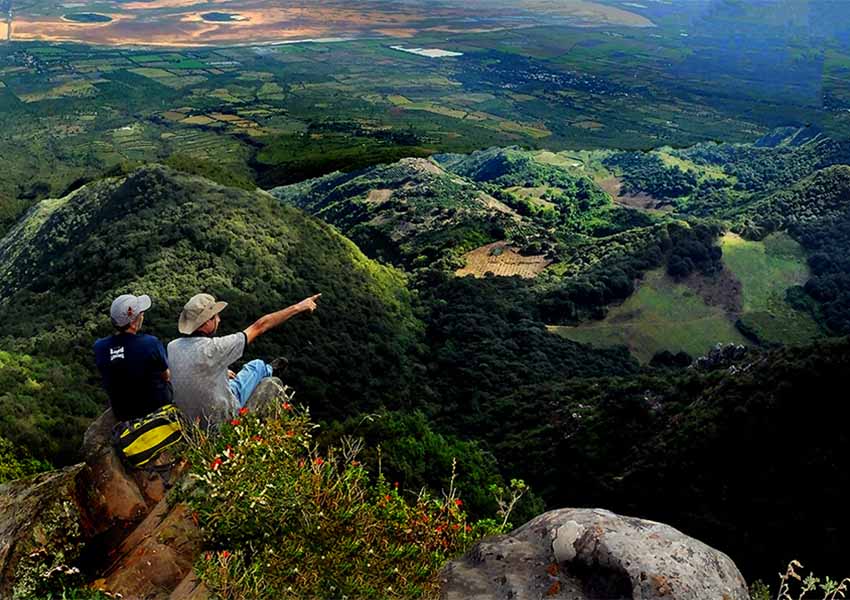
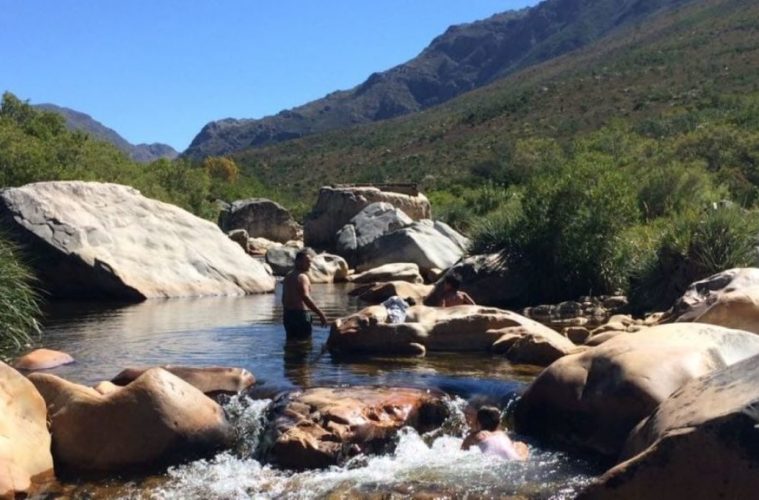
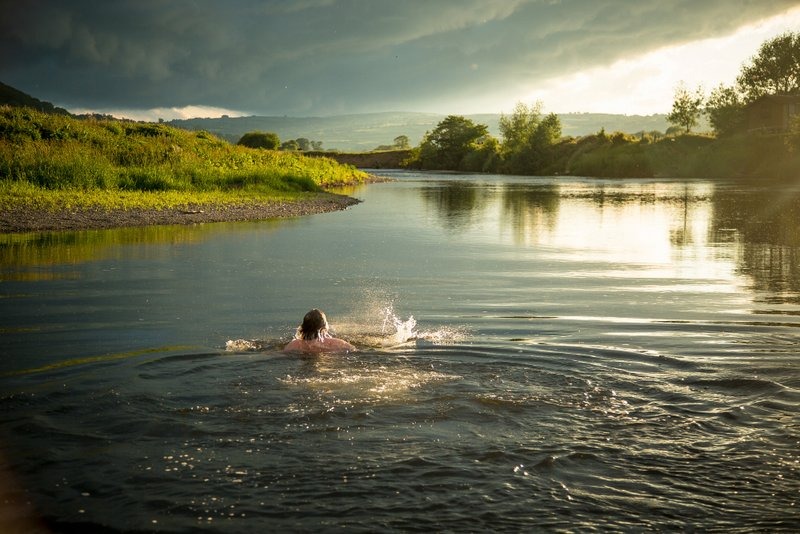
What is it about wild swimming that has captured the imagination of so many people around the world? For starters, the natural settings are simply breathtaking. Imagine swimming beneath towering cliffs, surrounded by lush greenery and the soothing sounds of rushing water. Or gliding across the mirror-like surface of a serene mountain lake, with snowcapped peaks in the distance. These are the kinds of otherworldly scenes that wild swimmers get to immerse themselves in, creating a profound sense of connection with the natural world.
But the benefits of wild swimming go beyond just the scenery. Numerous studies have shown that spending time in and around water can have profound mental and physical health benefits, from reducing stress and anxiety to boosting mood and immune function. The cold water exposure can also increase circulation, improve circulation, and even aid muscle recovery. And of course, there's the pure, unadulterated joy of simply playing and exploring in nature's pools - a primal, childlike delight that can be surprisingly hard to come by in our modern, technology-driven lives.
Essential Wild Swimming Safety Tips
Of course, with the many joys of wild swimming also come some inherent risks that every adventurer should be aware of. Here are some essential safety tips to keep in mind:
1. Research the Site Thoroughly
Before diving in, it's crucial to do your homework on the specific body of water you plan to swim in. Check for any known hazards or warnings, such as strong currents, unpredictable depths, or contamination issues. Look up water quality reports, and be wary of swimming in areas with a history of algal blooms or other pollution concerns.
2. Assess the Conditions
Even if you've swam in a particular spot before, always take the time to carefully assess the current conditions before entering the water. Look for signs of high water levels, fast-moving currents, or other potential dangers. If the water looks murky, choppy, or otherwise questionable, it's best to err on the side of caution and find a safer location.
3. Start Slowly
When it comes to wild swimming, it's important to ease into the experience rather than just jumping in headfirst. Gradually acclimate your body to the cooler temperatures by wading in and splashing water on your face and neck first. This can help avoid the shock of sudden cold water immersion, which can cause muscle spasms, disorientation, and other dangerous reactions.
4. Wear Appropriate Gear
Depending on the climate and water temperature, you may want to consider wearing a wetsuit, booties, gloves, or other insulating gear to help maintain your body temperature and prevent hypothermia. A brightly colored swim cap can also help you stay visible to others in the water.
5. Swim with a Buddy (or Group)
Wild swimming is always safer when done with a companion or small group. Not only can others help spot potential hazards, but they can also provide assistance if you run into trouble in the water. If swimming alone is unavoidable, make sure to let someone on land know your plans and expected return time.
6. Respect the Wildlife
While the prospect of encountering wildlife can add an exciting element to your wild swimming experience, it's important to remember that you are the visitor in their domain. Avoid approaching or disturbing any animals you may see, and be mindful of potential risks from predators, venomous creatures, or other dangerous fauna.
7. Know Your Limits
Wild swimming requires a certain level of physical fitness and skill, so it's crucial to be honest with yourself about your abilities. Don't push yourself beyond what you're comfortable with, and be prepared to exit the water if you start to feel fatigued or overwhelmed by the conditions.
Conclusion
Wild swimming offers a truly unique and exhilarating way to connect with nature and experience the restorative powers of the great outdoors. But it's important to approach this activity with the proper knowledge, preparation, and safety measures in place. By following the tips outlined in this guide, you can minimize the risks and maximize the joys of your wild swimming adventures, creating memories that will last a lifetime.