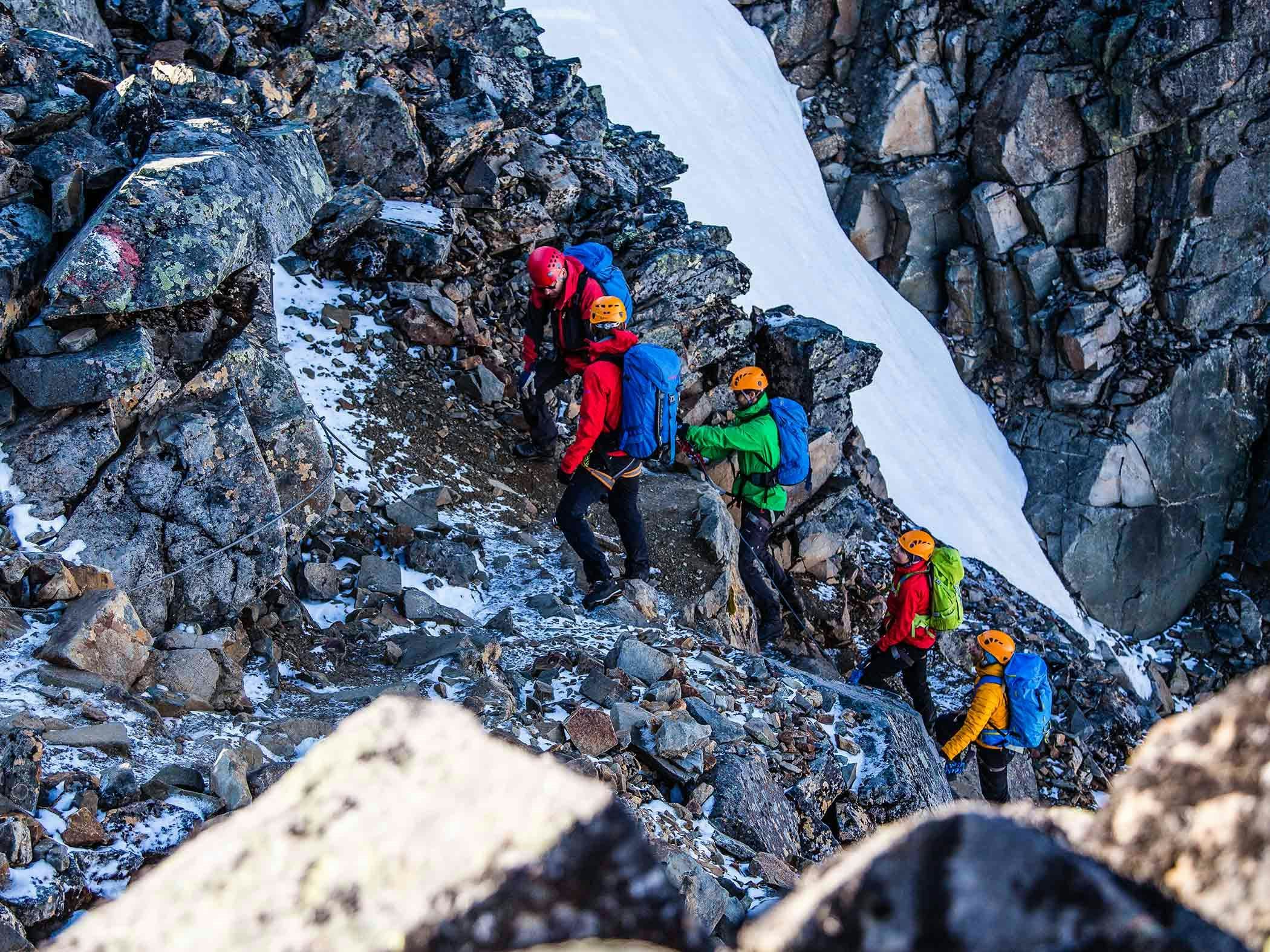
Top 5 Tips for Conquering Kebnekaise
-
 Loading...
 - Bruce Stevens
- 07 Aug 2024
- 51 Views
- 0 Like
- 0 Comment
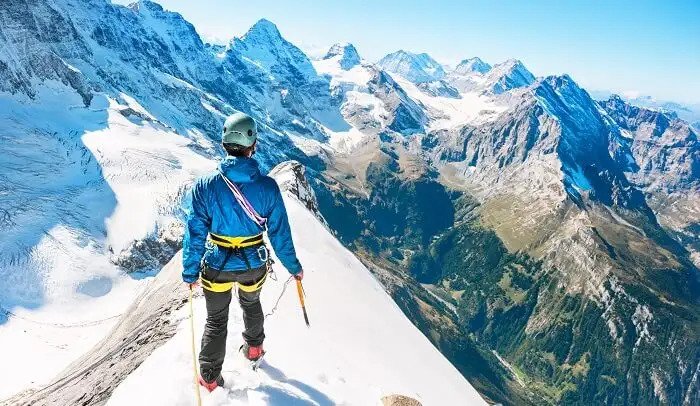
Towering majestically at 2,111 meters (6,926 feet) above sea level, Kebnekaise is Sweden's highest mountain and a true bucket-list destination for avid climbers and outdoor enthusiasts. Situated within the Lapland region of northern Sweden, this iconic peak offers a thrilling and challenging ascent that will test your physical endurance, navigation skills, and mental fortitude.
Whether you're a seasoned mountaineer or a first-time climber, tackling Kebnekaise requires meticulous planning, the right equipment, and a deep respect for the unpredictable alpine environment. From navigating treacherous glaciers to braving sudden weather changes, the journey to Kebnekaise's summit is not for the faint of heart.
But for those who are up for the challenge, the panoramic views from the top are nothing short of breathtaking, offering a true sense of accomplishment and a lifetime of memories. To help you conquer Sweden's highest peak, we've compiled the top 10 essential tips to ensure your Kebnekaise climb is a safe, successful, and unforgettable adventure.
Tip 1: Choose the Right Season
Timing is everything when it comes to climbing Kebnekaise. The mountain's optimal climbing season typically runs from June to September, when the weather is generally milder and the risk of severe storms is lower. However, even during this prime time, the conditions can be highly unpredictable, with sudden temperature drops, heavy snowfall, and strong winds a constant threat.
If you're a seasoned climber looking for a greater challenge, consider tackling Kebnekaise in the shoulder seasons of May or October. Just keep in mind that the weather will be more extreme, and the risks will be significantly higher. Regardless of when you choose to attempt the climb, be sure to closely monitor the forecast and be prepared to adjust your plans accordingly.
Tip 2: Pack the Essentials
Preparing the right gear is crucial for a successful Kebnekaise climb. Start by investing in high-quality, weatherproof clothing that can withstand the harsh alpine conditions. This includes thermal base layers, insulating mid-layers, and a durable, breathable outer shell. Don't forget to pack gloves, hats, and warm socks to keep you comfortable and protected from the elements.
In addition to your clothing, you'll need to bring essential mountaineering gear, such as a sturdy backpack, hiking boots with good traction, and a reliable headlamp for navigating in low-light conditions. Don't forget to pack emergency supplies like a first-aid kit, fire-starting materials, and a satellite communication device in case of an emergency.
Tip 3: Acclimatize Properly
Climbing Kebnekaise requires a significant amount of physical exertion, and the high altitude can take a toll on your body. To avoid altitude sickness and ensure your body is properly acclimated, it's essential to follow a gradual acclimatization process.
Consider arriving in the Lapland region a few days before your scheduled climb and spend some time hiking at lower elevations to help your body adjust. Drink plenty of water, eat a balanced diet, and avoid alcohol and tobacco, which can exacerbate altitude-related symptoms.
During the climb itself, take it slow and steady, allowing your body to adapt to the increasing altitude. Listen to your body, and don't hesitate to take breaks or turn back if you start to experience symptoms of altitude sickness, such as headaches, nausea, or dizziness.
Tip 4: Master Navigation and Route-Finding
Navigating the terrain on Kebnekaise can be a significant challenge, especially in poor visibility or inclement weather. To ensure you stay on the right track, it's crucial to master the art of navigation and route-finding.
Before your climb, familiarize yourself with the various routes and trail markings, and study detailed maps and GPS coordinates. Pack a reliable compass, a GPS device, and extra batteries to ensure you can navigate safely, even in the event of a power failure.
During the climb, stay vigilant and constantly check your position and progress. Be prepared to make adjustments to your route if necessary, and always keep an eye out for cairns, flags, and other trail markers to guide you along the way.
:max_bytes(150000):strip_icc()/TAL-PEO-TSV-Takeya-Actives-Insulated-Stainless-Steel-Water-Bottle-with-Spout-Lid-ConorRalph-04.jpg-52831bf6c5064e1db17664c94a3d0ef0.jpg)
Tip 5: Pace Yourself and Stay Hydrated
Climbing Kebnekaise is a marathon, not a sprint. Pacing yourself and staying hydrated are essential for maintaining your energy levels and preventing fatigue.
Start your climb at a comfortable, sustainable pace, and be mindful of your breathing and heart rate. Take regular breaks to rest, refuel, and rehydrate, and don't be afraid to adjust your pace if you start to feel overwhelmed.
Drinking plenty of water is crucial, as dehydration can quickly lead to altitude sickness and other health issues. Pack a reliable water filtration system or extra water bottles, and make sure to drink regularly throughout the climb.
Conclusion
Climbing Kebnekaise, Sweden's highest mountain, is a true test of endurance, skill, and determination. By following these top 10 tips, you'll be well on your way to conquering this iconic peak and creating a lifetime of unforgettable memories. Remember to prioritize safety, respect the environment, and embrace the challenge – the summit views will make it all worthwhile.