How to Fit a Climbing Harness
-
 Loading...
 - Kiaan mahajan
- 10 Jun 2022
- 262 Views
- 0 Like
- 0 Comment
Our day out on Red Rocks’ “Unimpeachable Groping” had proceeded like a dirge. We’d shown up early, but it turned out we were already behind a few other parties. An hour and a half into the backcountry without a suitable backup option nearby, we looked at each other and shrugged, and then got in line.
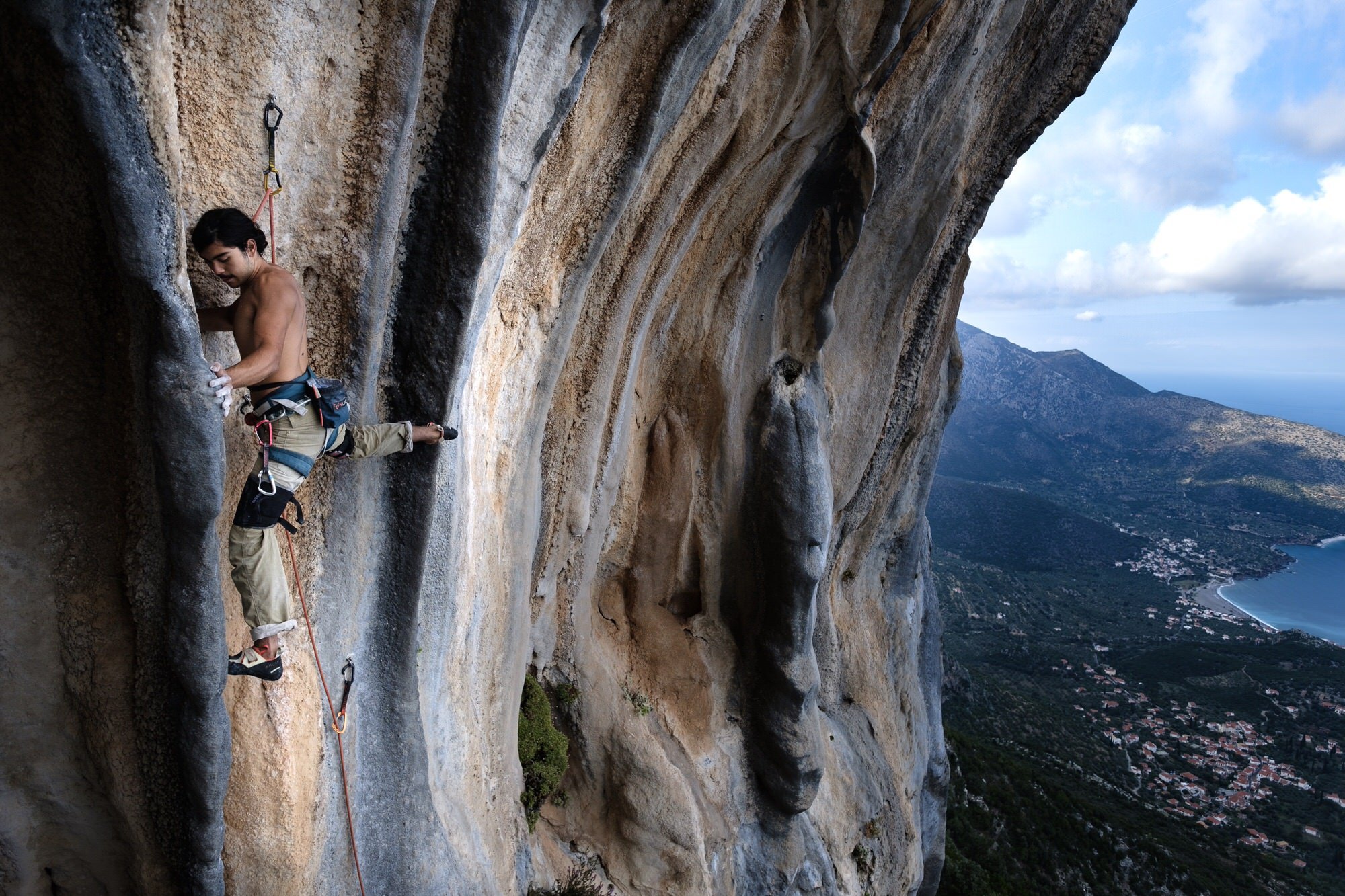
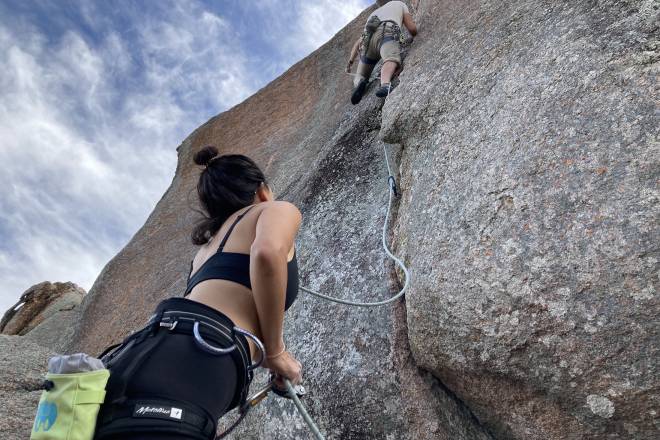
The 700-foot climb unfolded slowly. When my partner and I could move, we made adroit upward progress, but we spent most of the day hung up amid the other, more gradually ascending teams. A dearth of belay ledges at tightly bolted anchors meant lots of time slumping in our harnesses, hanging like sacks of potatoes as we waited for our chance to go.
(Happily, the times of social distancing were in the past. But you get the idea.)
Still, we topped out more or less as planned and began the somewhat circuitous descent. As I leaned back into one low-angle rappel, a constrictive heat suddenly gripped me high on my hips.
There was no mistaking it: I was chafing hard. This part of the rappel was more or less a backward walk, and the rope hung heavily straight downward below. To make progress here, I had to lean back intently.
“Groping” is right, I thought. There was nothing I could do; it was harness burn for me.
I woke up the next day with angry purple raspberries on my soft love handles.
But in fact, there was something I could have done — just not at the time. If I’d been wearing the right harness fitted properly, the belt would have aligned better around my waist and the padding would have protected my vulnerable bits. In fact, harnesses have put me in some binds that have compromised my, ahem, even more vulnerable bits.
Fitting a climbing harness may seem straightforward. But what parts should sit where on your body? How do you target a purpose-specific harness for whatever kind of climbing you’re into? Most critically, how do you keep from getting chafed on a long day out?
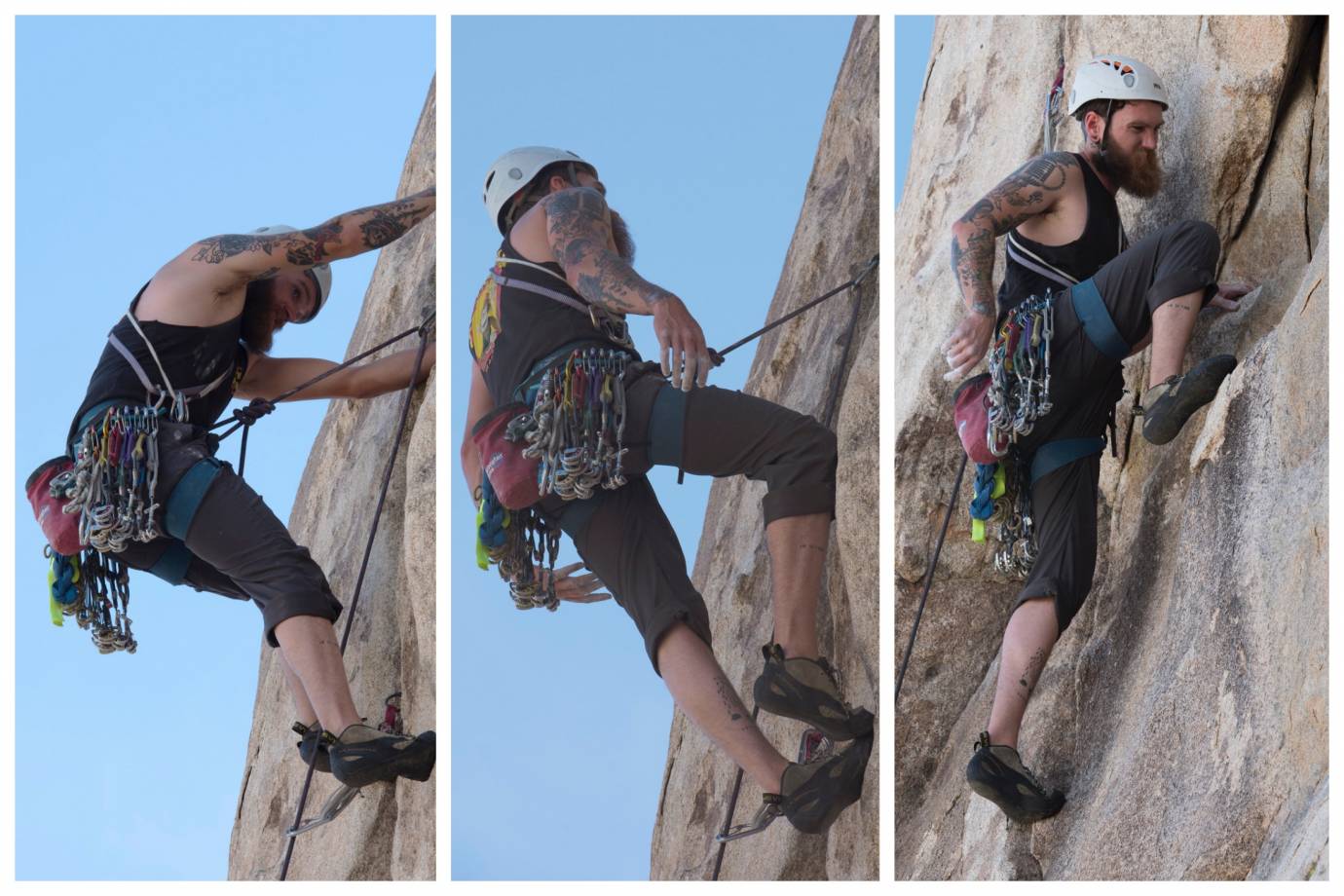
In the field, the answers all present more or less moving targets. But observing some best practices can help you find your way toward the balance point between comfort and performance.
Sizing a Climbing Harness
By far, the most important part of fitting your harness is making sure you get the right size. Like men’s pants, climbing companies generally size harnesses according to waist circumference in inches. Of course, there’s a range because every harness is adjustable.
If you’re looking at a harness and you fall right in the middle of one of the size ranges, it’s probably safe to go for it. You’ll still want to consider a couple of things; if you’re on one cusp or the other of a size range, you’ll definitely want to pause.
For instance, I’m a size 29 waist. Let’s say I’m looking at a harness where a size small covers 27-30 inches. It looks like I should go for that, but I’ll want to think about how I’m going to wear it first.
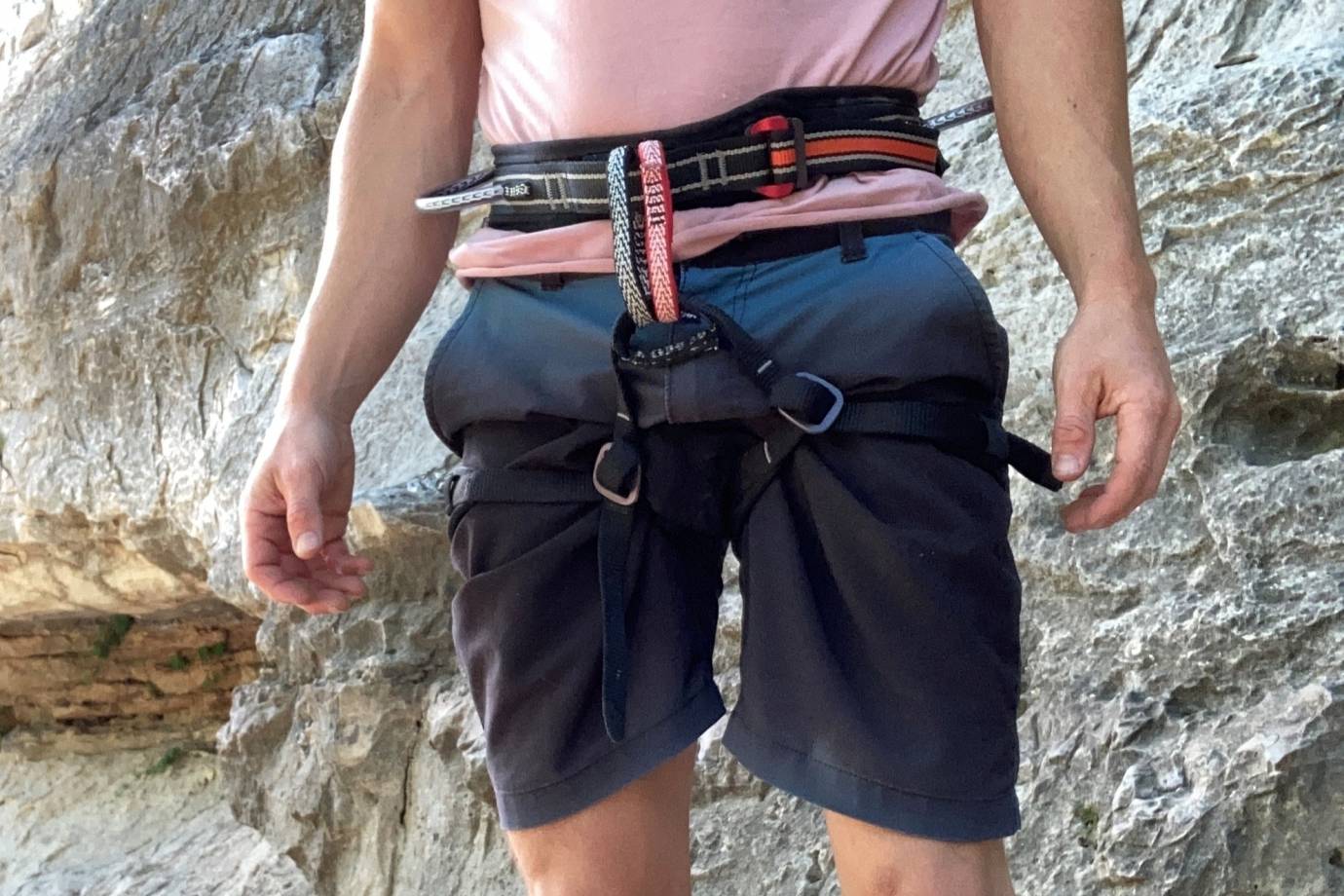
To size a harness according to my waist, I consider three parameters:
- What kind of pants will I be wearing under it?
- How many layers of shirts, jackets, etc., do I want to fit under it?
- What will I be carrying on it?
You can probably see how this game plays out. My fair-weather sport climbing kit is pretty much jorts or board shorts, plus a tank top and six quickdraws. If that sounds roughly like you, you can get away with a harness that fits close to your body, and you don’t need huge gear loops — or even very many of them. Read More...