Wiretapping scandal thrusts Colombian government into crisis
-
 Loading...
 - Regina Aguirre
- 09 Jun 2023
- 67 Views
- 0 Like
- 0 Comment
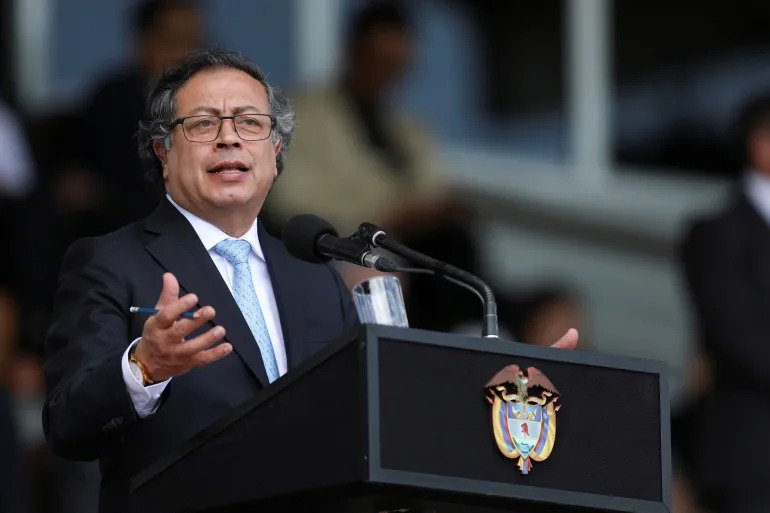
The Colombian President Gustavo Petro has had a tumultuous week, marred by a series of controversies and scandals. Accusations of illegal wiretapping, stolen cash, leaked audio messages filled with expletives, and allegations of campaign finance violations have shaken the Petro administration. The crisis was triggered by the involvement of two influential members in Petro's inner circle: Laura Sarabia, his chief of staff, and Armando Benedetti, the Colombian ambassador to Venezuela and Petro's former campaign manager.
The attorney general's office initiated an investigation into the actions of Sarabia and Benedetti, leading to their dismissal from the administration. Both parties deny any wrongdoing. The scandal first emerged when Semana magazine reported that Sarabia had accused her child's nanny of stealing $7,000 in cash from her home. Allegedly, Sarabia subjected the nanny to a polygraph test and was suspected of orchestrating the illegal wiretapping of the nanny's phone by Colombian police. Benedetti, who also employed the same nanny, claimed that Sarabia sought his help in suppressing the story from the press. Sarabia, in turn, accused Benedetti of leaking the story after a disagreement over a new government position.
However, the scandal took a more explosive turn when Semana published a series of leaked audio messages on Sunday evening. These messages, filled with profanity, were allegedly sent by Benedetti to Sarabia. The messages alluded to incriminating evidence regarding Petro's presidential campaign, which Benedetti had led the previous year. Benedetti mentioned an alleged $3.4 million that he claimed Petro's campaign had received under questionable circumstances. The authenticity of Benedetti's claims remains unverified, but Colombian authorities announced an investigation into the funding of Petro's campaign.
In the leaked audio, Benedetti expressed frustration at being politically marginalized by Petro. He insulted both Sarabia and the president, issued threats, and compared the government to the sinking Titanic. The scandal has cast Petro's government into disarray, affecting its reputation and making traditional political parties and elites wary of engaging with the administration. Congress temporarily suspended debates on the proposed social reforms as evidence was gathered regarding Benedetti's claims of campaign finance irregularities.
Petro's government, which is less than a year old, has already faced challenges and instability. The administration has experienced ministerial resignations, struggled to secure peace deals with armed groups in the country, and faced obstacles in passing crucial reforms on health, labor, and taxation. The current scandal adds to Petro's woes and requires him to expend significant political capital, diverting attention and resources from his reform agenda and peace efforts.
Facing heavy criticism, Petro took to Twitter to claim that his "political opponents" were attempting a "soft coup" against his administration. However, his popularity has suffered a significant decline, dropping from 50 percent to 34 percent, according to a recent poll. The road ahead for Petro and his government appears challenging as they navigate the aftermath of the scandal and strive to regain trust and focus on their reform and peace-building agenda.