World Wetlands Day: Guarding the ‘Most Threatened Ecosystem'

World Wetlands Day, marked by the United Nations for the first time this year, highlights the importance of the conservation and sustainability of one of the world’s most threatened ecosystems for the health of people and the planet.
“It’s a great pleasure for me to celebrate World Wetlands Day with you, for the first time as a United Nations International Day. This is a recognition by the United Nations of the global importance of our Wetlands and the global importance of managing them and preserving them,” CITES Secretary-General Ivonne Higuero told the world in a video message today.
An environmental economist and the first woman to head the organization that administers the Convention on the International Trade in Endangered Species of Wild Flora and Fauna, CITES, Higuero warned that “over the past 55 years, we’ve lost more than a third of Earth’s wetlands, almost wholly because of human activity.”
“We have drained the water and built houses and roads and destroyed the balance of plants and animals that allowed the wetlands to flourish,” she lamented.
“In English there are nearly a hundred words that are used for wetlands – marshes, fens, moors, bogs, are just some of the common ones,” Higuero said, “but behind all of these words are little worlds that support specialised species of plants and animals and give so much to us and our planet. They can absorb tides and winds, hold flood water and give us clean air and clean water. They are vital bubbles of life, or ecosystems, if you prefer.”
Higuero says that days like World Wetlands Day, and World Wildlife Day on March third, are about recognizing the damage done and what we need to do to manage and preserve wetlands “that one way or another, we all depend upon.”
“I’m pleased to say that the countries of the world have recognised what needs to be done to preserve our ecosystems and the wildlife that inhabits them. They have put in place conventions, such as Ramsar and CITES, that are designed to arrest and reverse the damage.”
“It is now time to ensure full implementation of these conventions and achieve their objectives,” the CITES secretary-general said, pledging to continue a close collaboration between the CITES and Ramsar organizations.
The Ramsar Convention is the treaty that provides the framework for the conservation and wise use of wetlands and their resources. The Convention was adopted in the Iranian city of Ramsar in 1971 and came into force in 1975. Since then, almost 90 percent of UN member states, from all the world’s geographic regions, have joined.
CITES is the treaty that aims to ensure that international trade in specimens of wild animals and plants does not threaten the survival of the species. Eighty countries adopted the CITES treaty on March 3, 1973, and on July 1, 1975 it entered into force. It now covers around 25,000 plant species and 5,000 animal species.
“We know that wetlands play a vital role in maintaining the biodiversity that is the key to our future,” Higuero said. “We know that 40 percent of the world’s plants and animals depend on wetlands, and we know that without them we can’t achieve the sustainable development targets we’ve set ourselves.”
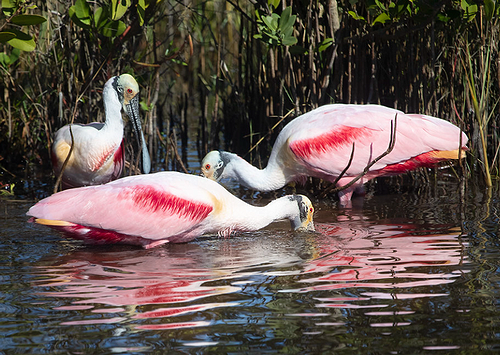
Wetlands are disappearing three times faster than forests and are Earth’s most threatened ecosystem, according to the UN. In just 50 years – since 1970 – 35 percent of the world’s wetlands have vanished.
“Wetlands are life providers. They contribute services worth US$47 trillion annually: including almost all of our fresh water, food, raw materials and life medicines,” Martha Rojas Urrego, secretary-general of the Ramsar Convention on Wetlands, said.
“But despite these critical benefits, we are losing wetlands three times faster than forests,” she warned. “It’s critical that actions to protect, manage and restore wetlands are raised in the Post-2020 Global Biodiversity Framework and countries’ nationally determined contributions to deliver the scale of impact we need.”
The Post-2020 Biodiversity Framework is scheduled for adoption during the UN Biodiversity Conference in May 2022 in Kunming, China.
The Ramsar Convention on Wetlands campaign this year aims to stimulate urgent actions to reverse wetlands loss – through mobilizing finance, transforming agricultural practices, reducing water waste, contributing to restoration efforts or supporting local wetland cleanups.
Africa Flooded After Human Destruction of Wetlands
Dr. Mithika Mwenda, executive director of the Pan African Climate Justice Alliance, PACJA, said it is the encroachment on wetlands that has led to suffering communities that experience the global climate crisis in the form of flooded homes, flooded roads, flooded farms and loss of crops with even slight rains.
Over the last few days, roughly 200,000 people in Southern African countries of Malawi, Mozambique, Zimbabwe and Zambia were displaced by the ravages of Tropical Storm Ana. The storm and resulting floods have killed at least 21 people and injured 210 others.
Mwenda says intact wetlands could have helped mitigate the negative impacts of the flooding. “Wetlands have economic potential. First, besides mitigating the negative impacts of flooding, scarcity of water and soil erosion, wetlands also have wider environmental and economic benefits, such as hubs for eco-tourism,” said Mwenda. Read More…