Yen slides past ¥130 to the dollar after BOJ doubles down on bond buying
-
 Loading...
 - Bulan Susilo
- 28 Apr 2022
- 322 Views
- 0 Like
- 0 Comment
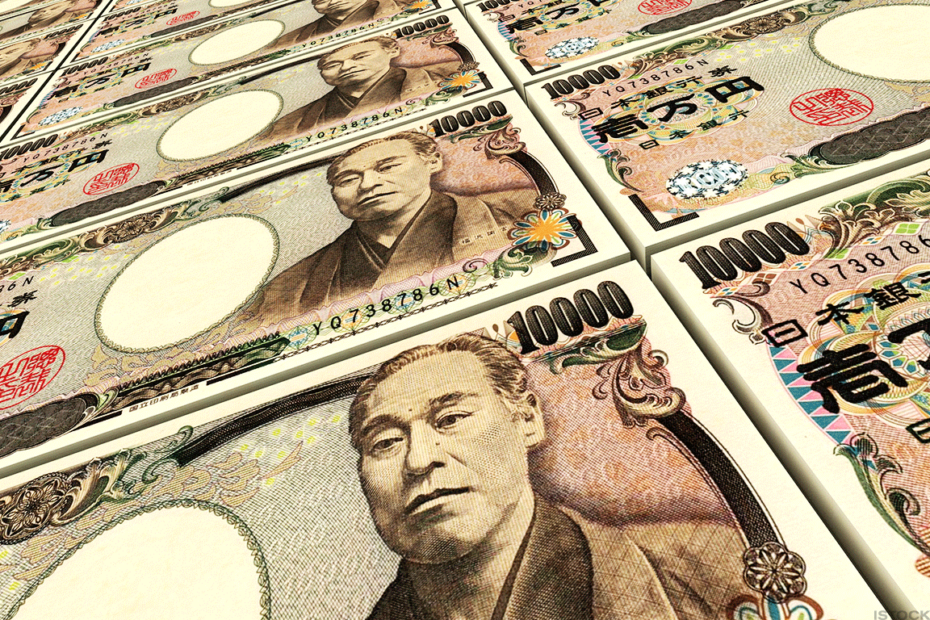
The Bank of Japan sparked a sharp slide in the yen against the dollar Thursday, with the exchange rate hitting the ¥130 mark, after it held its ground amid a global wave of interest-rate hikes by leaving its monetary stimulus unchanged and indicating that faster price growth in the coming year won’t last.
The central bank kept its yield curve control settings and the scale of its asset purchases unchanged, according to a statement. The decision had been widely expected among economists despite ongoing speculation the BOJ might take action in light of the recent slide in the yen to a two-decade low.
The BOJ said it would carry out fixed-rate bond buying every business day as it firmed up its resolve to defend its target on 10-year yields as part of its stimulus measures.
The yen weakened sharply against the dollar after the decision and breached the ¥130 mark midafternoon in Tokyo, the currency pair's lowest rate in 20 years, compared with around ¥128.67 immediately before the central bank issued its statement. Stocks in Tokyo continued to gain during the afternoon session.
In updated price projections, the BOJ raised its inflation forecast closer to its 2% goal in the fiscal year that started this month on the impact of energy prices, but projected it to weaken the following year. Its forecast for the year to March 2025 also showed inflation averaging well below its price goal.
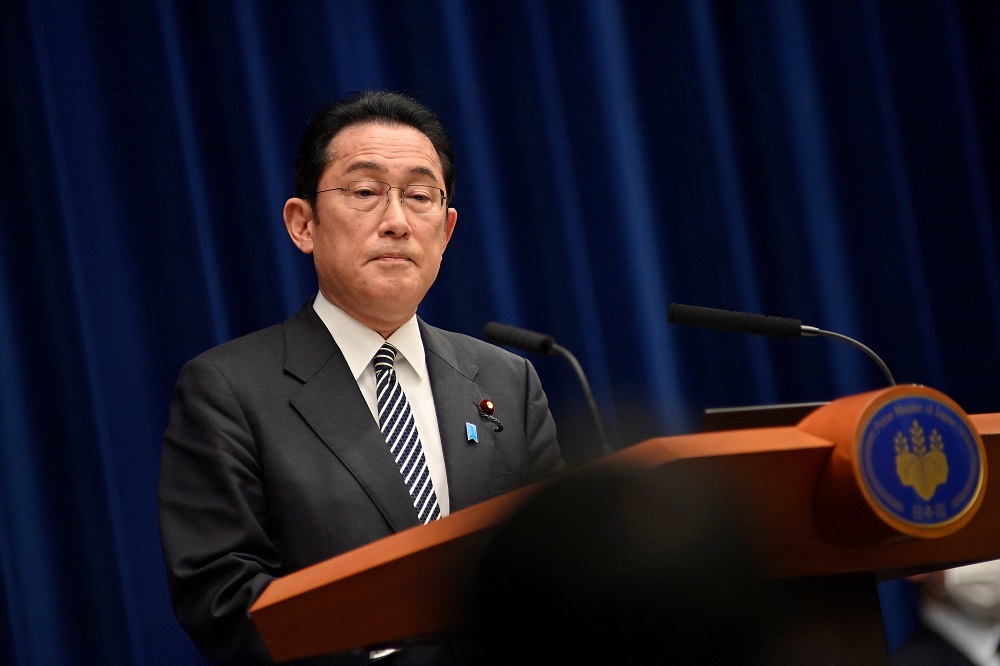
With the decision, Gov. Haruhiko Kuroda and his board pushed back against the market chatter that it will have to tweak policy to help stop the currency from weakening more and to ease the pressure on its rock-bottom yield target. Looking ahead, the BOJ also stuck with its view that rates would stay low or go even lower.
That’s in stark contrast to the U.S. Federal Reserve and other central banks that are racing to push up borrowing costs to keep a lid on accelerating prices. The growing divergence in interest rates is helping drive the yen down against the dollar to a level that is causing pain for some households and businesses.
Economists see further slides in the yen as inevitable, but say the government is more likely to ramp up its relief measures for soaring energy and food prices before considering intervening in markets to prop up the currency.
"The BOJ wants to make it abundantly clear that it will stick with stimulus and that the yen is not part of its considerations,” said Hiromichi Shirakawa, chief economist at Credit Suisse Securities. "This also sends a clear message that the bank is not joining the Federal Reserve or the European Central Bank on tightening moves.”
With the Fed and others racing to push up borrowing costs to keep a lid on accelerating prices, the divergence in interest rates with the BOJ is growing.
"The BOJ has shown some concern over the rapid fall of the yen, but when it comes to its level, it seems very tolerant,” said Mari Iwashita, chief market economist at Daiwa Securities Co. "I don’t think the BOJ is thinking 130 against the dollar is going to be some terrible inflection point.” Read More...