Traders Shocked as Academic Set to Head Japan's Central Bank
-
 Loading...
 - Bulan Susilo
- 13 Feb 2023
- 71 Views
- 0 Like
- 0 Comment
Economist Kazuo Ueda would be the first BOJ Governor not to come from the central bank itself or the finance ministry.
Central-bank surprises in Japan are as rare as double-decker buses that arrive on time in my strike-plagued homeland, Britain. But both apparently come along in twos.
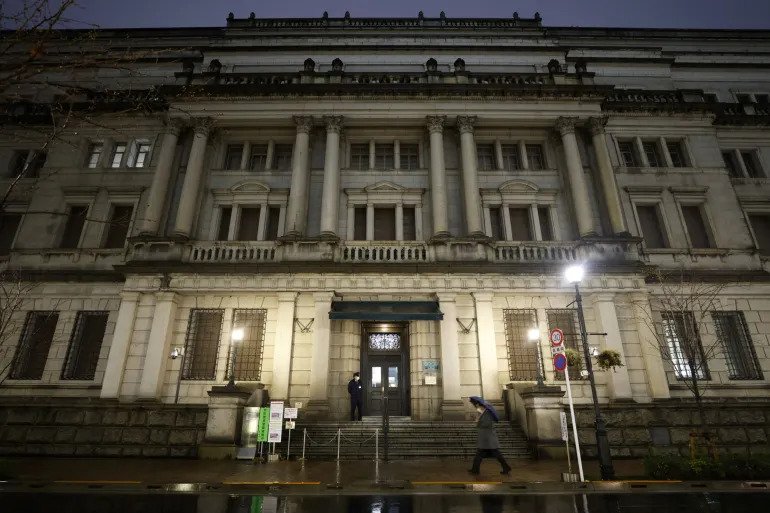
Japanese Prime Minister Fumio Kishida is set on Tuesday to play a wildcard with his pick of the economist Kazuo Ueda to head the Bank of Japan, according to the Nikkei business daily, which gets leaks on this sort of thing. It's a selection that breaks with precedent in turning to academia for the top central-bank post for the world's third-largest economy.
Although Ueda has moderated workshops and conferences that were hosted by the BOJ, and was a BOJ policy-board member from 1998 to 2005, he is an outsider. He has a doctorate in economics from the Massachusetts Institute of Technology, and is a former dean of economics at the University of Tokyo. He is currently a professor at the Kyoritsu Women's University and is chief councilor of the Institute for Monetary and Economic Studies, the BOJ's think tank.
Word of Ueda's likely selection made the yen suddenly stronger, heading from ¥131.61 to the U.S. dollar to ¥129.80, while the 10-year Japanese government bond hit the upper limit of its trading band. But traders have now digested the shock, and the yen has weakened again to ¥132.70 to the greenback now.
The frontrunner had been BOJ Deputy Governor Masayoshi Amamiya, a career central banker known as "Mr. BOJ," with his predecessor Hiroshi Nakaso widely viewed as the only other alternative.
In fact, traders say they were blindsided by Ueda's selection, joking they have had to read up on "Who-eda," and judge his view by his past publications and speeches. The yen reaction stems mainly from word that Amamiya will not be taking the post, having apparently turned it down.
In December, the BOJ made its first recent surprise when it tweaked the acceptable band it will allow for the trading of the 10-year Japanese government bond's yield. As I said at the time, the content of the surprise wasn't earthshattering, but traders were excited that the BOJ might be shifting away from its super easy monetary policy. I think the move simply bought them more time to leave rates low, for longer.
The Japanese parliament must approve Kishida's choice. But since Kishida's party, the Liberal Democratic Party, controls both houses of the Diet, that's virtually a given. It would mark the first time in post-war Japan that the central bank chief has not come from the ranks of BOJ officials or from the Japanese finance ministry. Read More…