Home Upload Photo Upload Videos Write a Blog Analytics Messaging Streaming Create Adverts Creators Program
Bebuzee Afghanistan Bebuzee Albania Bebuzee Algeria Bebuzee Andorra Bebuzee Angola Bebuzee Antigua and Barbuda Bebuzee Argentina Bebuzee Armenia Bebuzee Australia Bebuzee Austria Bebuzee Azerbaijan Bebuzee Bahamas Bebuzee Bahrain Bebuzee Bangladesh Bebuzee Barbados Bebuzee Belarus Bebuzee Belgium Bebuzee Belize Bebuzee Benin Bebuzee Bhutan Bebuzee Bolivia Bebuzee Bosnia and Herzegovina Bebuzee Botswana Bebuzee Brazil Bebuzee Brunei Bebuzee Bulgaria Bebuzee Burkina Faso Bebuzee Burundi Bebuzee Cabo Verde Bebuzee Cambodia Bebuzee Cameroon Bebuzee Canada Bebuzee Central African Republic Bebuzee Chad Bebuzee Chile Bebuzee China Bebuzee Colombia Bebuzee Comoros Bebuzee Costa Rica Bebuzee Côte d'Ivoire Bebuzee Croatia Bebuzee Cuba Bebuzee Cyprus Bebuzee Czech Republic Bebuzee Democratic Republic of the Congo Bebuzee Denmark Bebuzee Djibouti Bebuzee Dominica Bebuzee Dominican Republic Bebuzee Ecuador Bebuzee Egypt Bebuzee El Salvador Bebuzee Equatorial Guinea Bebuzee Eritrea Bebuzee Estonia Bebuzee Eswatini Bebuzee Ethiopia Bebuzee Fiji Bebuzee Finland Bebuzee France Bebuzee Gabon Bebuzee Gambia Bebuzee Georgia Bebuzee Germany Bebuzee Ghana Bebuzee Greece Bebuzee Grenada Bebuzee Guatemala Bebuzee Guinea Bebuzee Guinea-Bissau Bebuzee Guyana Bebuzee Haiti Bebuzee Honduras Bebuzee Hong Kong Bebuzee Hungary Bebuzee Iceland Bebuzee India Bebuzee Indonesia Bebuzee Iran Bebuzee Iraq Bebuzee Ireland Bebuzee Israel Bebuzee Italy Bebuzee Jamaica Bebuzee Japan Bebuzee Jordan Bebuzee Kazakhstan Bebuzee Kenya Bebuzee Kiribati Bebuzee Kuwait Bebuzee Kyrgyzstan Bebuzee Laos Bebuzee Latvia Bebuzee Lebanon Bebuzee Lesotho Bebuzee Liberia Bebuzee Libya Bebuzee Liechtenstein Bebuzee Lithuania Bebuzee Luxembourg Bebuzee Madagascar Bebuzee Malawi Bebuzee Malaysia Bebuzee Maldives Bebuzee Mali Bebuzee Malta Bebuzee Marshall Islands Bebuzee Mauritania Bebuzee Mauritius Bebuzee Mexico Bebuzee Micronesia Bebuzee Moldova Bebuzee Monaco Bebuzee Mongolia Bebuzee Montenegro Bebuzee Morocco Bebuzee Mozambique Bebuzee Myanmar Bebuzee Namibia Bebuzee Nauru Bebuzee Nepal Bebuzee Netherlands Bebuzee New Zealand Bebuzee Nicaragua Bebuzee Niger Bebuzee Nigeria Bebuzee North Korea Bebuzee North Macedonia Bebuzee Norway Bebuzee Oman Bebuzee Pakistan Bebuzee Palau Bebuzee Panama Bebuzee Papua New Guinea Bebuzee Paraguay Bebuzee Peru Bebuzee Philippines Bebuzee Poland Bebuzee Portugal Bebuzee Qatar Bebuzee Republic of the Congo Bebuzee Romania Bebuzee Russia Bebuzee Rwanda Bebuzee Saint Kitts and Nevis Bebuzee Saint Lucia Bebuzee Saint Vincent and the Grenadines Bebuzee Samoa Bebuzee San Marino Bebuzee São Tomé and Príncipe Bebuzee Saudi Arabia Bebuzee Senegal Bebuzee Serbia Bebuzee Seychelles Bebuzee Sierra Leone Bebuzee Singapore Bebuzee Slovakia Bebuzee Slovenia Bebuzee Solomon Islands Bebuzee Somalia Bebuzee South Africa Bebuzee South Korea Bebuzee South Sudan Bebuzee Spain Bebuzee Sri Lanka Bebuzee Sudan Bebuzee Suriname Bebuzee Sweden Bebuzee Switzerland Bebuzee Syria Bebuzee Taiwan Bebuzee Tajikistan Bebuzee Tanzania Bebuzee Thailand Bebuzee Timor-Leste Bebuzee Togo Bebuzee Tonga Bebuzee Trinidad and Tobago Bebuzee Tunisia Bebuzee Turkey Bebuzee Turkmenistan Bebuzee Tuvalu Bebuzee Uganda Bebuzee Ukraine Bebuzee United Arab Emirates Bebuzee United Kingdom Bebuzee Uruguay Bebuzee Uzbekistan Bebuzee Vanuatu Bebuzee Venezuela Bebuzee Vietnam Bebuzee World Wide Bebuzee Yemen Bebuzee Zambia Bebuzee Zimbabwe
Blog Image

You might be harbouring an illegal house plant

Five years ago, the internet came to the shocking conclusion that gardening in New Zealand was banned. And while the whole thing was actually just an elaborate hoax orchestrated to take the piss out of unassuming foreigners on Reddit, it turns out that w

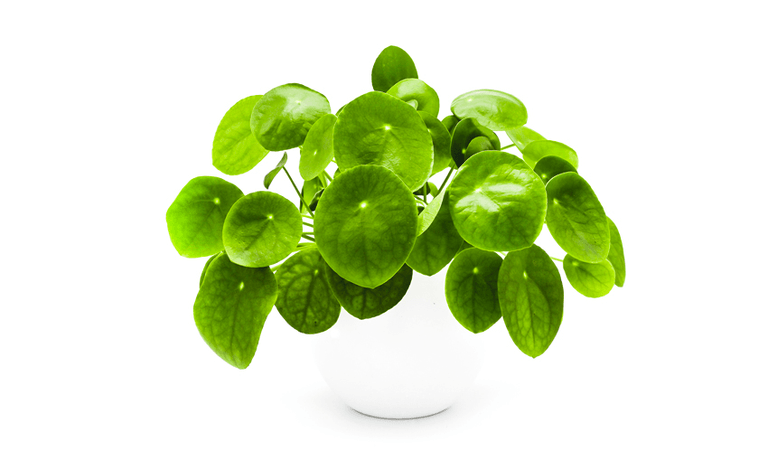
From your Pilea peperomioides to your Philodendron pedatum, a range of highly sought-after house plants have been targeted by the Ministry for Primary Industries (MPI) in recent years. The former, for example, otherwise known as the UFO plant or the Chinese money plant, saw a surge in online popularity around 2017. When MPI caught wind of it and found no legal record of the plant’s existence in New Zealand, it was deemed a “new organism” and quickly proceeded to crack down on sellers and growers harvesting the plant.
But the list of “illegal” house plants doesn’t stop there. In an application filed to the Environmental Protection Authority (EPA) by MPI last year, the Philodendron schottii, the Philodendron squamiferum, and the Alocasia clypeolata (also referred to as the Alocasia “green shield”) were also found to be “new organisms”.

The reason for this is because of the Hazardous Substances and New Organisms Act 1996 (HSNO) which saw the EPA tasked with drawing up a list of all plants present in New Zealand before 1998. Any plant not on the list – with no evidence to support its historic existence – would likely then be considered a “new organism” making it “illegal to own, import, propagate or trade”, according to Peter Thomson, MPI’s director of animal and plant health.

“There’s an enormous number of plant species and their cultivars in existence, even in New Zealand. Records are incomplete, so no one can reasonably know every plant species that collectors hold here. It’s only when trade in the more popular ones becomes apparent that MPI can look into their presence in New Zealand,” says Thomson. 
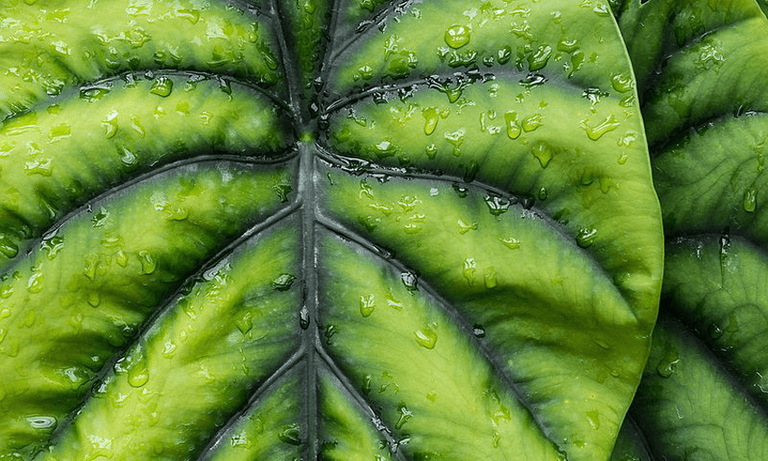
According to Kathryn Hurr, biosecurity and technical manager at the industry group New Zealand Plant Producers (NZPPI), the HSNO Act was “never a comprehensive list of plants in New Zealand in 1998 … but a comprehensive list would’ve also been impossible to do”. She says in the last few years, the HSNO Act has struggled to keep up against the exploding popularity of indoor house plants, driven in large part by social media – something that didn’t exist when the legislation was first drawn up. As a result, there are now more varieties than ever on the market, leaving many species stuck in a sort of “grey zone” or “no man’s land”, particularly when they’re found to cause little harm but have no evidence to prove they were around prior to 1998. 

Anecdotal evidence for the Pilea peperomioides, for example, suggests they’ve been in New Zealand for the last 30 or so years. But with no conclusive evidence to support this, MPI cracked down on them until a risk assessment found they were unlikely to be invasive to the environment. Since then, it’s taken a more pragmatic approach, recognising that because they’re so widespread among house plant enthusiasts, eradicating them completely would be an impossible task. Read More...
Previous Post

Morrison finally responds to exploding case numbers by announcing delicious new korma curry

Next Post

NSW Police demand Hillsong stop playing music: “Nothing to do with COVID – the music is just fucking awful”

Comments