Young volunteers restore coral reefs in Vietnam's Phu Quoc

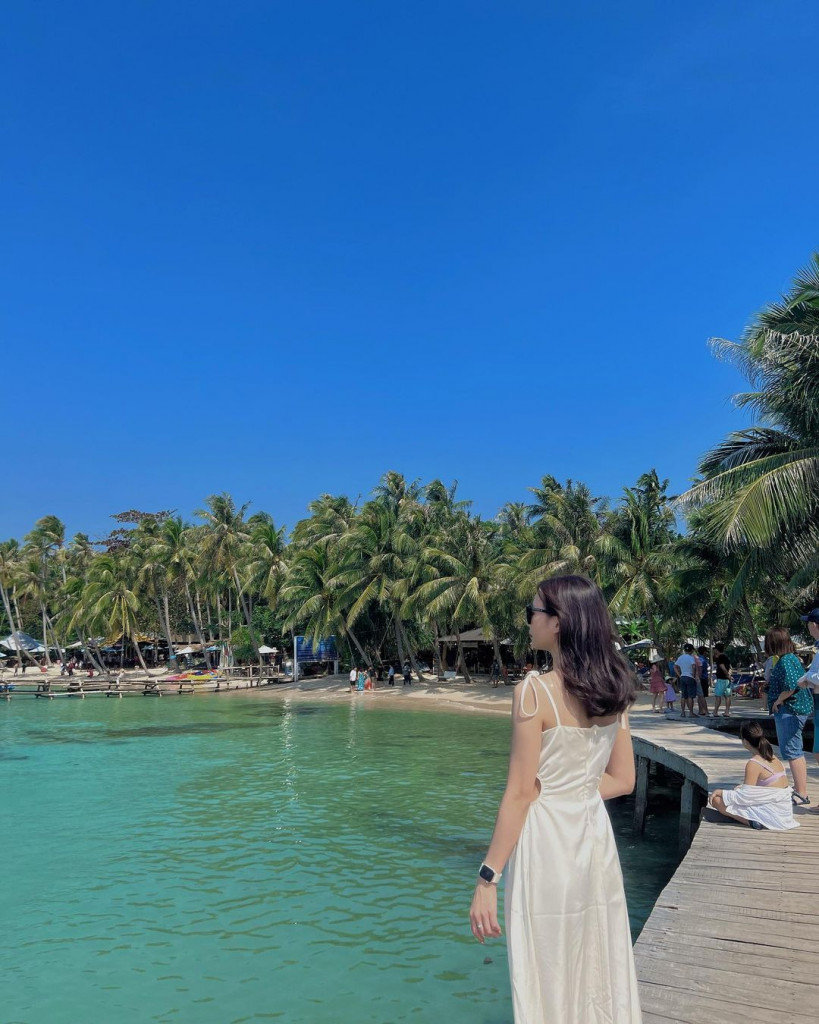
Phu Quoc is home to 500 hectares of coral reef that boast 250 different species of coral, according to survey statistics.
The island’s coral reef ecosystem has seen deterioration in recent years due to the warming of coastal seawater as well as the booming tourist industry and fishing activities.
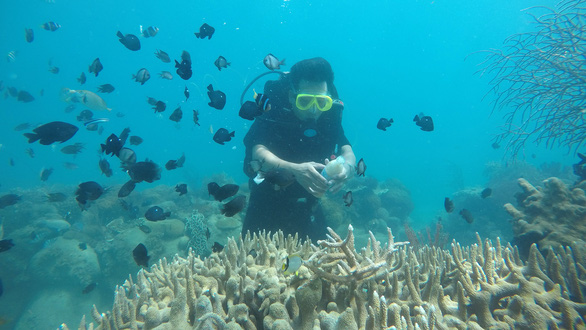
Marine experts have been transplanting corals in swathes of sea surrounding the island, off the southern Vietnamese coast, in an attempt to revitalize its coral population.
When marine buffs put their heads together
Slivers of sunlight reveal a garden of corals which a group of young Vietnamese marine enthusiasts have been building on Phu Quoc seabeds.
Back in the summer of 2019, the group went all the way to meet Nguyen Van Tien, a retired deep-sea diver in the locality, nicknamed ‘Pearl Island.'
Tien is widely known for holding the ‘keys’ to the island’s enigmatic underwater world.
Among the secrets that Tien has always held dear to his heart are coordinates on the location of centuries-old shipwrecks, elusive dwarf lantern sharks (Etmopterus perryi), and coral caverns.
During a dive in 2019, Tien took his new non-resident friends to a coral reef sandwiched between two islands off Phu Quoc City’s An Thoi Ward.
The bewitching underwater spectacle held even seasonal divers in awe.
“I was just overwhelmed. The coral reef here is splendid!” Nguyen Thuy Vu, one of the team members, recalled his first dive with Tien.
With a master’s degree in business administration from Singapore, the 29-year-old began turning his attention to marine conservation after joining a project on impacts of plastic waste on the marine ecosystem.
Eager to see the reefs flourish, Vu decided marine conservation would be his career after obtaining an international diving certificate.
Vu shared his devotion to coral reefs in different areas along Vietnam’s coastline is not only a way to satisfy his passion but also his move forward to marine sustainability and the source of stability for their communities.
He has good reasons for doing so.
“Wildfires are generally high-profile incidents of which causes and catalysts are easily identified and culprits are held accountable,” he explained.
“But similar detrimental incidents on the seafloor tend to slip unnoticed though they cause irreversible harm to and even wipe out underwater forests.” Read More…