Home Upload Photo Upload Videos Write a Blog Analytics Messaging Streaming Create Adverts Creators Program
Bebuzee Afghanistan Bebuzee Albania Bebuzee Algeria Bebuzee Andorra Bebuzee Angola Bebuzee Antigua and Barbuda Bebuzee Argentina Bebuzee Armenia Bebuzee Australia Bebuzee Austria Bebuzee Azerbaijan Bebuzee Bahamas Bebuzee Bahrain Bebuzee Bangladesh Bebuzee Barbados Bebuzee Belarus Bebuzee Belgium Bebuzee Belize Bebuzee Benin Bebuzee Bhutan Bebuzee Bolivia Bebuzee Bosnia and Herzegovina Bebuzee Botswana Bebuzee Brazil Bebuzee Brunei Bebuzee Bulgaria Bebuzee Burkina Faso Bebuzee Burundi Bebuzee Cabo Verde Bebuzee Cambodia Bebuzee Cameroon Bebuzee Canada Bebuzee Central African Republic Bebuzee Chad Bebuzee Chile Bebuzee China Bebuzee Colombia Bebuzee Comoros Bebuzee Costa Rica Bebuzee Côte d'Ivoire Bebuzee Croatia Bebuzee Cuba Bebuzee Cyprus Bebuzee Czech Republic Bebuzee Democratic Republic of the Congo Bebuzee Denmark Bebuzee Djibouti Bebuzee Dominica Bebuzee Dominican Republic Bebuzee Ecuador Bebuzee Egypt Bebuzee El Salvador Bebuzee Equatorial Guinea Bebuzee Eritrea Bebuzee Estonia Bebuzee Eswatini Bebuzee Ethiopia Bebuzee Fiji Bebuzee Finland Bebuzee France Bebuzee Gabon Bebuzee Gambia Bebuzee Georgia Bebuzee Germany Bebuzee Ghana Bebuzee Greece Bebuzee Grenada Bebuzee Guatemala Bebuzee Guinea Bebuzee Guinea-Bissau Bebuzee Guyana Bebuzee Haiti Bebuzee Honduras Bebuzee Hong Kong Bebuzee Hungary Bebuzee Iceland Bebuzee India Bebuzee Indonesia Bebuzee Iran Bebuzee Iraq Bebuzee Ireland Bebuzee Israel Bebuzee Italy Bebuzee Jamaica Bebuzee Japan Bebuzee Jordan Bebuzee Kazakhstan Bebuzee Kenya Bebuzee Kiribati Bebuzee Kuwait Bebuzee Kyrgyzstan Bebuzee Laos Bebuzee Latvia Bebuzee Lebanon Bebuzee Lesotho Bebuzee Liberia Bebuzee Libya Bebuzee Liechtenstein Bebuzee Lithuania Bebuzee Luxembourg Bebuzee Madagascar Bebuzee Malawi Bebuzee Malaysia Bebuzee Maldives Bebuzee Mali Bebuzee Malta Bebuzee Marshall Islands Bebuzee Mauritania Bebuzee Mauritius Bebuzee Mexico Bebuzee Micronesia Bebuzee Moldova Bebuzee Monaco Bebuzee Mongolia Bebuzee Montenegro Bebuzee Morocco Bebuzee Mozambique Bebuzee Myanmar Bebuzee Namibia Bebuzee Nauru Bebuzee Nepal Bebuzee Netherlands Bebuzee New Zealand Bebuzee Nicaragua Bebuzee Niger Bebuzee Nigeria Bebuzee North Korea Bebuzee North Macedonia Bebuzee Norway Bebuzee Oman Bebuzee Pakistan Bebuzee Palau Bebuzee Panama Bebuzee Papua New Guinea Bebuzee Paraguay Bebuzee Peru Bebuzee Philippines Bebuzee Poland Bebuzee Portugal Bebuzee Qatar Bebuzee Republic of the Congo Bebuzee Romania Bebuzee Russia Bebuzee Rwanda Bebuzee Saint Kitts and Nevis Bebuzee Saint Lucia Bebuzee Saint Vincent and the Grenadines Bebuzee Samoa Bebuzee San Marino Bebuzee São Tomé and Príncipe Bebuzee Saudi Arabia Bebuzee Senegal Bebuzee Serbia Bebuzee Seychelles Bebuzee Sierra Leone Bebuzee Singapore Bebuzee Slovakia Bebuzee Slovenia Bebuzee Solomon Islands Bebuzee Somalia Bebuzee South Africa Bebuzee South Korea Bebuzee South Sudan Bebuzee Spain Bebuzee Sri Lanka Bebuzee Sudan Bebuzee Suriname Bebuzee Sweden Bebuzee Switzerland Bebuzee Syria Bebuzee Taiwan Bebuzee Tajikistan Bebuzee Tanzania Bebuzee Thailand Bebuzee Timor-Leste Bebuzee Togo Bebuzee Tonga Bebuzee Trinidad and Tobago Bebuzee Tunisia Bebuzee Turkey Bebuzee Turkmenistan Bebuzee Tuvalu Bebuzee Uganda Bebuzee Ukraine Bebuzee United Arab Emirates Bebuzee United Kingdom Bebuzee Uruguay Bebuzee Uzbekistan Bebuzee Vanuatu Bebuzee Venezuela Bebuzee Vietnam Bebuzee World Wide Bebuzee Yemen Bebuzee Zambia Bebuzee Zimbabwe
Blog Image

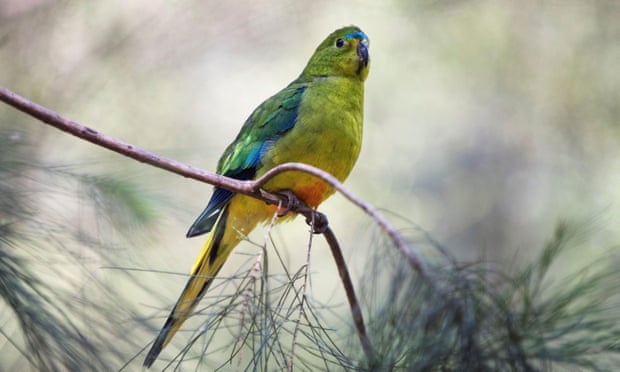
Six Australian birds you may never have heard of … and may not be heard from again

A landmark study has found one in six Australian birds are now threatened. Here are some of the species most likely to be headed to a museum, unless more is done

There seems to be a perversity to human nature, in that we don’t really care about wild creatures until there are so few left that we can put a name to them. Think Martha, the last passenger pigeon, or the haunting images of Benjamin the last thylacine, pacing around its cage at Hobart zoo in 1936.

The Action Plan for Australian Birds 2020 (released this week by CSIRO Publishing) bandies a lot of names of birds you may never have heard of, which are now classified as on the path to extinction – 214 to be exact, around one in six of Australia’s bird species and subspecies. It can all be too much to take in. So here is a guide to six birds of which there are so few left in the wild that we could easily remember them all if they had individual names.
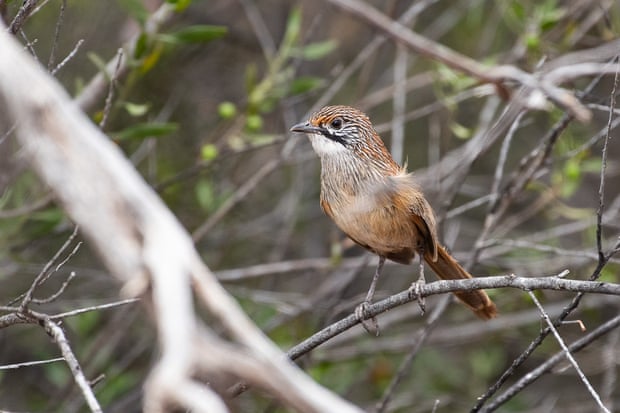
Mukarrthippi grasswren

While there are several birds, such as Coxen’s fig-parrot or the Tiwi hooded robin, that we can’t unequivocally prove still exist, the candidate for the lowest population of any Australian bird that we can count is this obscure little bird that streaks between spiky clumps of spinifex in a small area of mallee in the Cobar shire of western NSW.

Only officially identified in 2020 as a distinct subspecies of the more widespread striated grasswren (itself a threatened bird), the Mukkarthippi grasswren (pronounced mook-wah-tippy and meaning small bird of the spinifex in the local Ngiyampaa language) has only three or four pairs definitely known to survive and a total estimated population of not more than 20 birds.
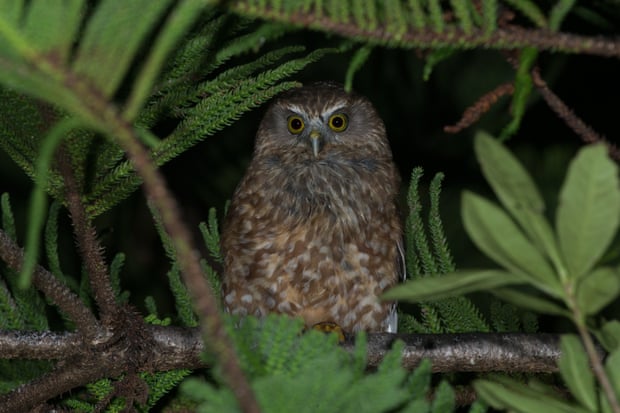
Norfolk Island morepork

This small owl got as near to extinction as is possible to go, with only one female bird left on the entire island by 1988. The introduction of some males of its closest relative, the New Zealand morepork, saw a hybrid population develop to the extent that by 2019 there were thought to be between 25 and 50 birds on the island. However, only four pairs were known and since 2008 there have only been two successful breeding events observed. It is feared that most of the remaining birds are too old to breed, though the successful rearing of two chicks in 2019 gives some cause for hope.
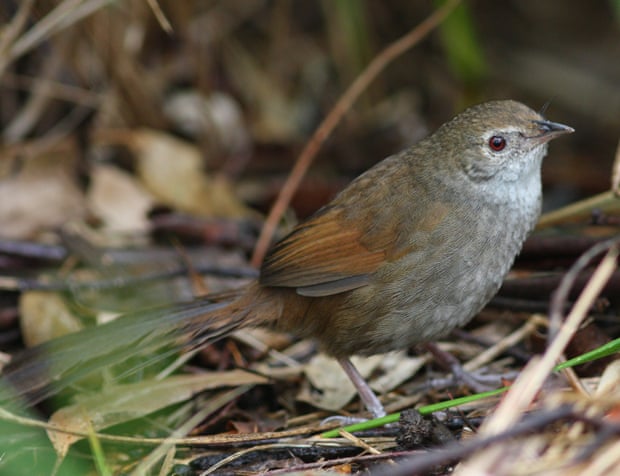
Northern eastern bristlebird

While the southern subspecies of the eastern bristlebird has responded well to active conservation measures, its northern cousin has not been so lucky. In 2020 only 43 birds were known to exist, though a couple more may have been seen since then. This was up from a maximum of 30 reported in the 2010 action plan. It was feared all these gains were at risk in the 2019-20 bushfires, as these poor flyers often succumb to intense, large fires. (Though they do benefit from regular, small-intensity burns.) Fortunately, it seems the fires missed almost all remaining birds and the northern eastern bristlebird lives to scurry through the undergrowth another day. Read More…

Previous Post

Young volunteers restore coral reefs in Vietnam's Phu Quoc

Next Post

Colombia seizes hundreds of tarantulas and insects bound for Germany

Comments