Zimbabwe Schools Adopt 'Learning Passport', Go Digital
-
 Loading...
 - Elizabeth Mutua
- 26 Jan 2023
- 76 Views
- 0 Like
- 0 Comment
At least 35 percent of the schools in Zimbabwe have been connected to the Learning Passport as the Government and its partners continue to adapt learning to the new digital innovations that ensure no child is left behind in accessing education.
The Learning Passport is an online, mobile and offline platform initiated by the Ministry of Primary and Secondary Education and UNICEF and in partnership with Microsoft in 2021.
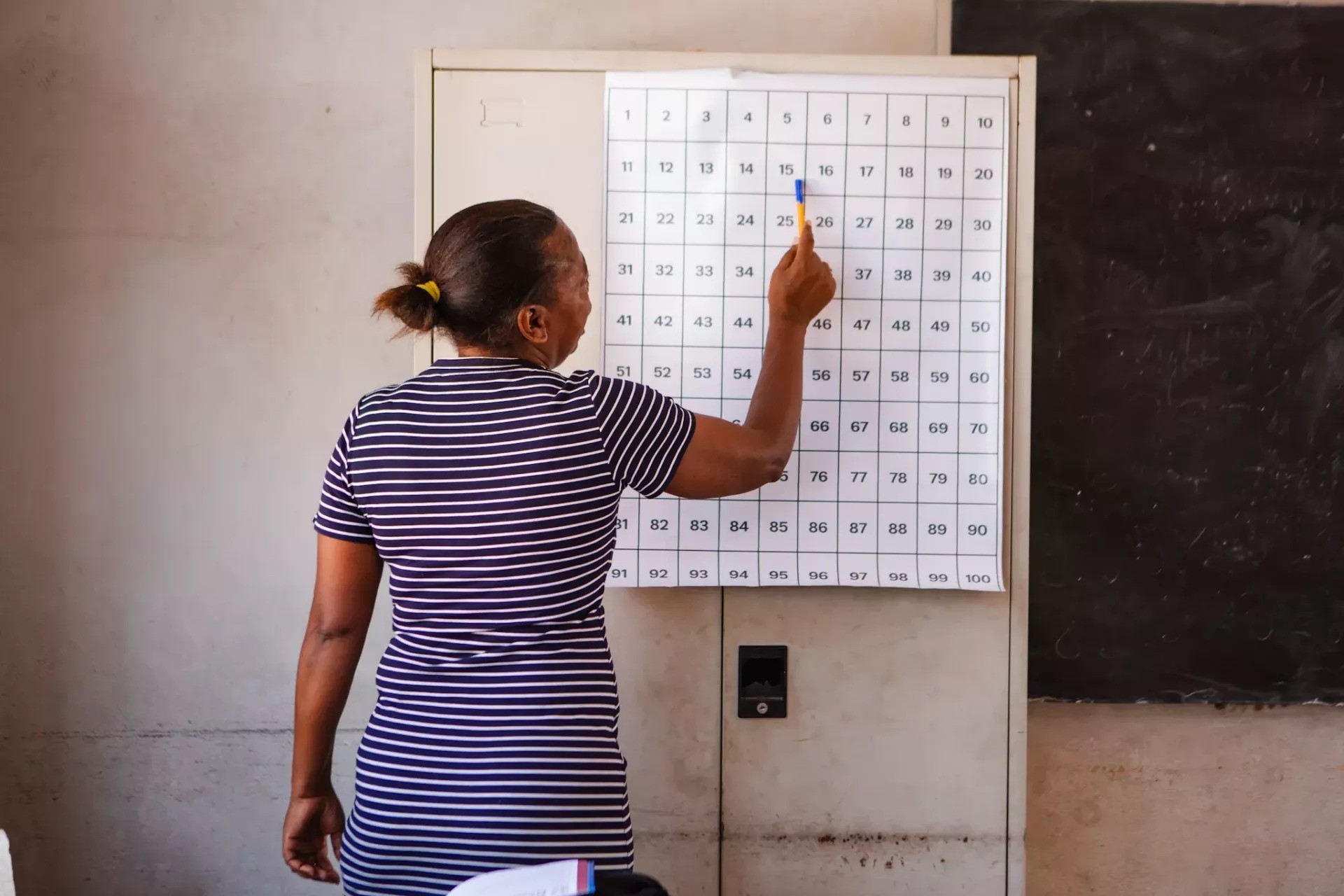
It provides learners in both formal and non-formal education, access to learning resources and hosts radio lessons, syllabuses, teacher guides/resources, and learning modules (audio lessons, online books, videos, and interactive content).
A delegation of Unicef and Ministry of Primary and Secondary Education officials yesterday toured Westlea Council Primary School to appreciate the effectiveness of the collaboration in innovative learning in schools.
Speaking on behalf of the Secretary for Primary and Secondary Education Mrs Tumisang Thabela, the Chief Director Primary, Secondary and Non-formal Education Mrs Olicah Kaira said uptake of the platform had increased since its launch but more still needed to be done.
"The learning passport has so far been taken up by schools that have internet connectivity and those on the electricity grid or are solarised. We now have 35 percent uptake of the platform but we encourage all schools in the country to scale up on its use.
"At the same time, we wish to develop an offline platform that will cater for the majority of our schools in the rural areas, which accounts for about 70 percent of all schools in the country," she said.
Westlea Primary is one of the schools where UNICEF is piloting the offline version of the learning passport. Although the school is connected to the internet, the capacity of the connectivity bandwidth is too small for the school. Read More…