Zimbabwe: Teachers' union and government in deadlock over wages
-
 Loading...
 - Nyambura Moses
- 24 Mar 2022
- 381 Views
- 0 Like
- 0 Comment
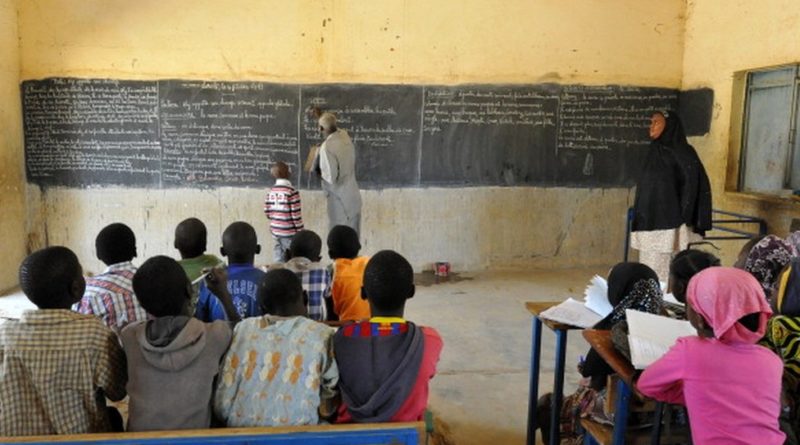
By morning, Gaudencia Mandiopera works as a primary school teacher at one of the public schools in Mutasa district, 283km southeast of the Zimbabwean capital, Harare. From early afternoon till late evening, she sells whiskey from a shebeen, as speakeasies are called in parts of Southern Africa.
Her customers, mostly truck drivers who ply the sleepy town of Mutare in the same district, near the border between Mozambique and Zimbabwe, pay little. Also, running a shebeen is illegal in Zimbabwe and most of the whiskey is smuggled into the country via its porous borders.
But Mandiopera has persisted with the trade, mostly for the upkeep of her three boys. “I often get arrested,” she told Al Jazeera. “I even work during late hours to maximise profit. The environment has a high risk of sexual abuse but I have no choice.”
Her monthly salary of 11 000 Zimbabwean dollars, approximately $45 at the prevailing black market rate, is paid on time, but barely lasts two weeks. In Zimbabwe, some teachers joke that they have to take the maxim “a teacher’s reward is in heaven” literally.
But like Mandiopera, many have resorted to finding alternative means to survive here on earth. In the Southern African country, only 150 000 teachers cater to 4.2 million students and the average salary of a teacher is 28 800 Zimbabwean dollars.
For years, teachers have been migrating to neighbouring countries such as South Africa, Namibia and Botswana to find better-paying jobs.
Experts say Zimbabwe is experiencing its worst economic crisis in decades with uncontrolled inflation, stagnant salaries and widespread poverty as a result of mismanagement and corruption under the Emmerson Mnangagwa administration.
Prices of basic commodities like bread, petrol, internet data bundles and electricity tariffs continue to increase – as well as rent – due to supply disruptions, piling more pressure on Zimbabweans.
In some cases, this has been by as much as 150 percent, as the volatile Zimbabwean dollar continues to plummet against the US dollar.
According to the World Bank [PDF], 7.9 million people in Zimbabwe fell into extreme poverty from 2011 to 2021, living under the food poverty line of $29.80 for each person a month.
Over the last three years, Zimbabwean teachers have embarked on repeated industrial action over inadequate salaries and poor working conditions as the economic situation worsens in the country.
On 7 February, they again went on a strike for salary increases when schools opened, following a shutdown to restrict the spread of the Covid-19. The government responded by suspending them for three months without pay on 10 February 2022.
Primary and Secondary Education Minister Evelyn Ndlovu also gave a deadline for the striking teachers to return to the classrooms. Read More...