Zinc Stearate for Skin: Benefits and How to Use
-
 Loading...
 - Fabricio Poblete
- 28 Jun 2022
- 135 Views
- 0 Like
- 0 Comment
Zinc stearate isn’t exactly one of those ingredients that rolls off the tongue. And it probably doesn’t ring a bell when you hear the name. But don’t let that fool you—this cosmetics ingredient is everywhere.
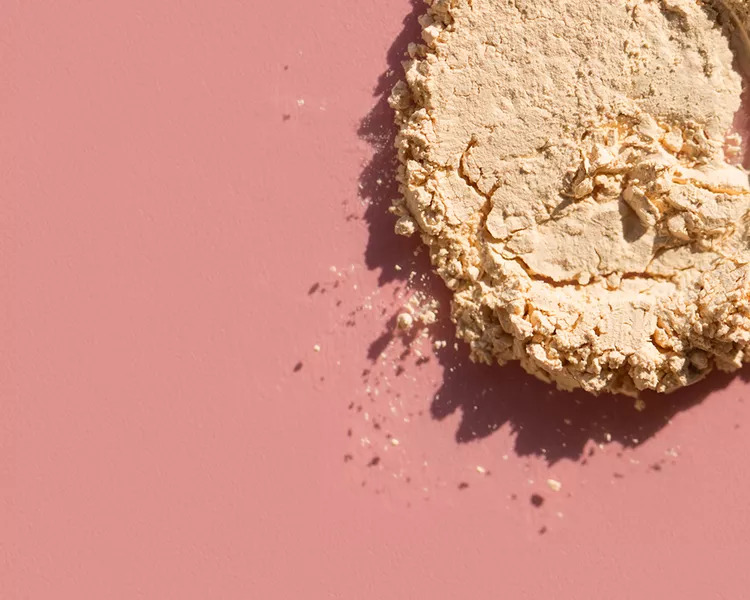
“Zinc stearate is a zinc salt made from a fatty acid called stearic acid,” explains board-certified dermatologist Blair Murphy-Rose, MD, FAAD. “It has been used as a binding agent in powdered cosmetics (like powders, blushes, and eyeshadows), as a thickening agent, and as a lubricant.”
We asked Murphy-Rose and board-certified dermatologist Whitney Bowe, MD, to explain why this ubiquitous ingredient is probably in some of your favorite products, plus exactly what it does.
ZINC STEARATE
TYPE OF INGREDIENT: A zinc soap
MAIN BENEFITS: Binds or emulsifies products, improves the texture of products, can be used as a pigment or coloring agent
WHO SHOULD USE IT: Almost anyone who finds it in their skincare or makeup products
HOW OFTEN CAN YOU USE IT: Daily in a formulated product
WORKS WELL WITH: Most other ingredients
DON’T USE WITH: It plays well with other ingredients, but since it’s a water-repellant, it may not work well with water-based products
What Is Zinc Stearate?
Zinc stearate is "basically the zinc salt of stearic acid, which is a long-chain fatty acid,” says Bowe. “Stearic acid is a waxy substance that can act as an emollient and an emulsifier, so it can make skin feel softer and can also help ingredients in a formulation mix together nicely so that the experience of applying that product is more elegant," she continues. "Zinc stearate, the zinc salt of stearic acid, can also help with hydration, and improve the texture of a cosmetic product, giving it more slip.”
Benefits of Zinc Stearate
- Binds products: Zinc stearate is often used as a soap or as an emulsifier or binder in cosmetics.
- Improves texture: “It can give a product a bit of slip, which enhances the texture and make the application of a product more enjoyable,” says Bowe.
- Adds color: “Zinc stearate can sometimes be used as a pigment or coloring agent,” Bowe says.
- Generally safe: Most skin types won’t have to worry about adverse reactions when using the ingredient.
Though the ingredient is common enough, it’s typically used as part of the equation in a formula—it isn’t the star of the ingredients list. “Overall, it’s a very safe ingredient, although I wouldn’t call it a superstar active ingredient that drives results,” Bowe says. “It’s safe to include in formulations to enhance the overall experience and help with creating a homogenous, elegant formulation. However, I wouldn’t look for this ingredient to deliver any dramatic improvements in the skin.”
Side Effects of Zinc Stearate
Although it is generally considered a safe ingredient, those with sensitive skin may want to tread carefully. “It has been questioned as an occupational hazard [specifically] as a respiratory hazard,” cautions Murphy-Rose.1 “Used in cosmetics, it has a low but possible risk of toxicity. It is also possible to be an environmental toxin. It may also be a skin irritant.”
How to Use It
Zinc stearate isn’t an ingredient you can find on the shelves solo; rather, it’s used in products that have been formulated with it. “I have most often seen it as an ingredient in cosmetic powders,” Murphy-Rose says. “It helps to prevent ingredients in powdered cosmetics from caking and it helps them to bind to the skin.”
If your skin tolerates zinc stearate well, it can be used daily, according to Murphy-Rose. However, she warns that because it is a water-repellant, it may not work well with water-based products.
The Best Products With Zinc Stearate
Bobbi Brown Bronzer
:max_bytes(150000):strip_icc():format(webp)/BobbiBrownBronzer-0df7ca51407244c8b88b76c1246fc261.jpeg)
This pick is Murphy-Rose's “all-time favorite powder bronzer.” Thanks to its blending powers, the matte bronzing powder will leave your skin looking naturally sun kissed. Whether you want a touch of color or a deep tan, the buildable bronzer will get you there. Read More...