Zombie gene protects against cancer -- in elephants
-
 Loading...
 - Lisa Kendrick
- 15 Aug 2021
- 1122 Views
- 0 Like
- 0 Comment
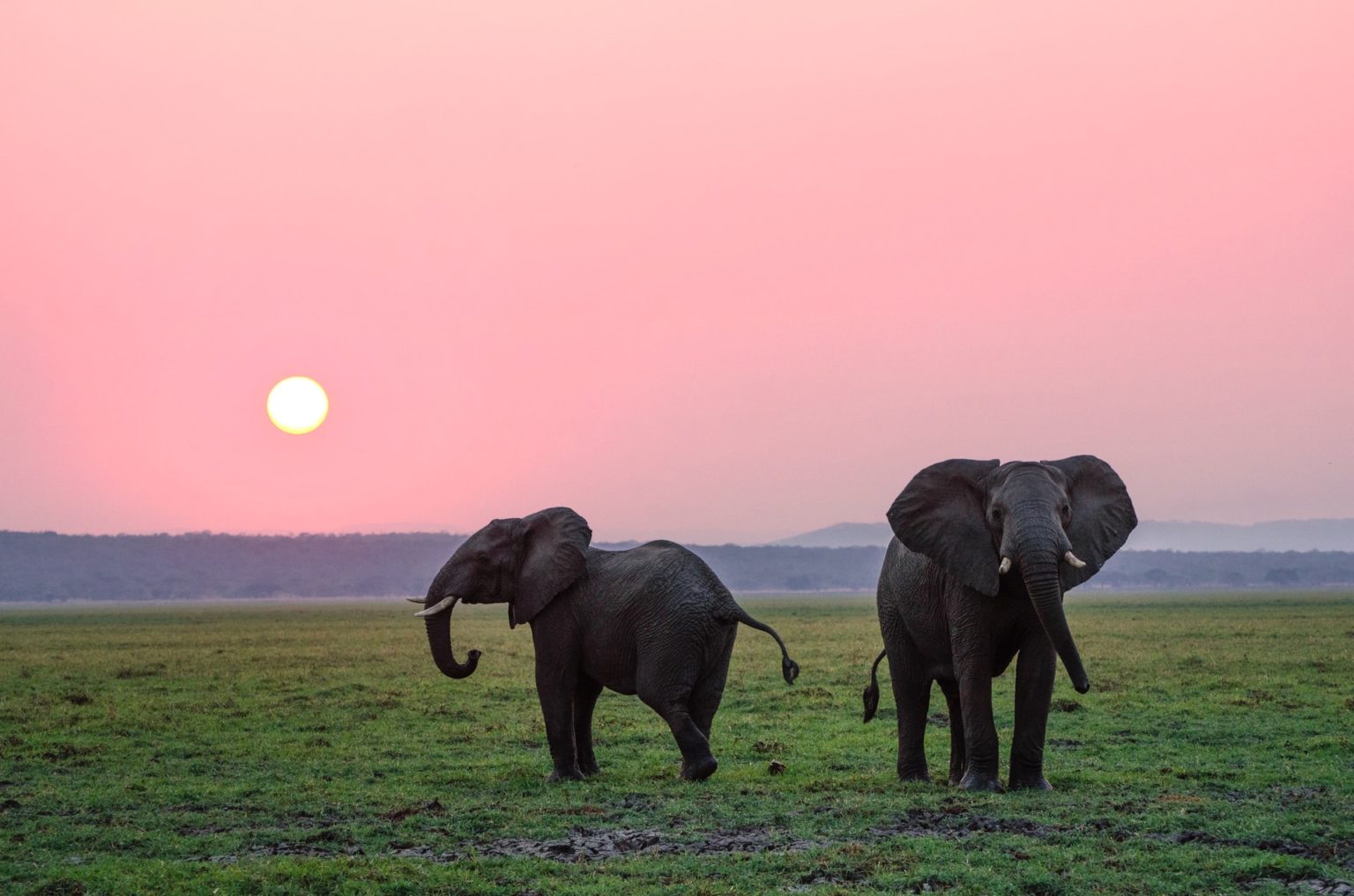
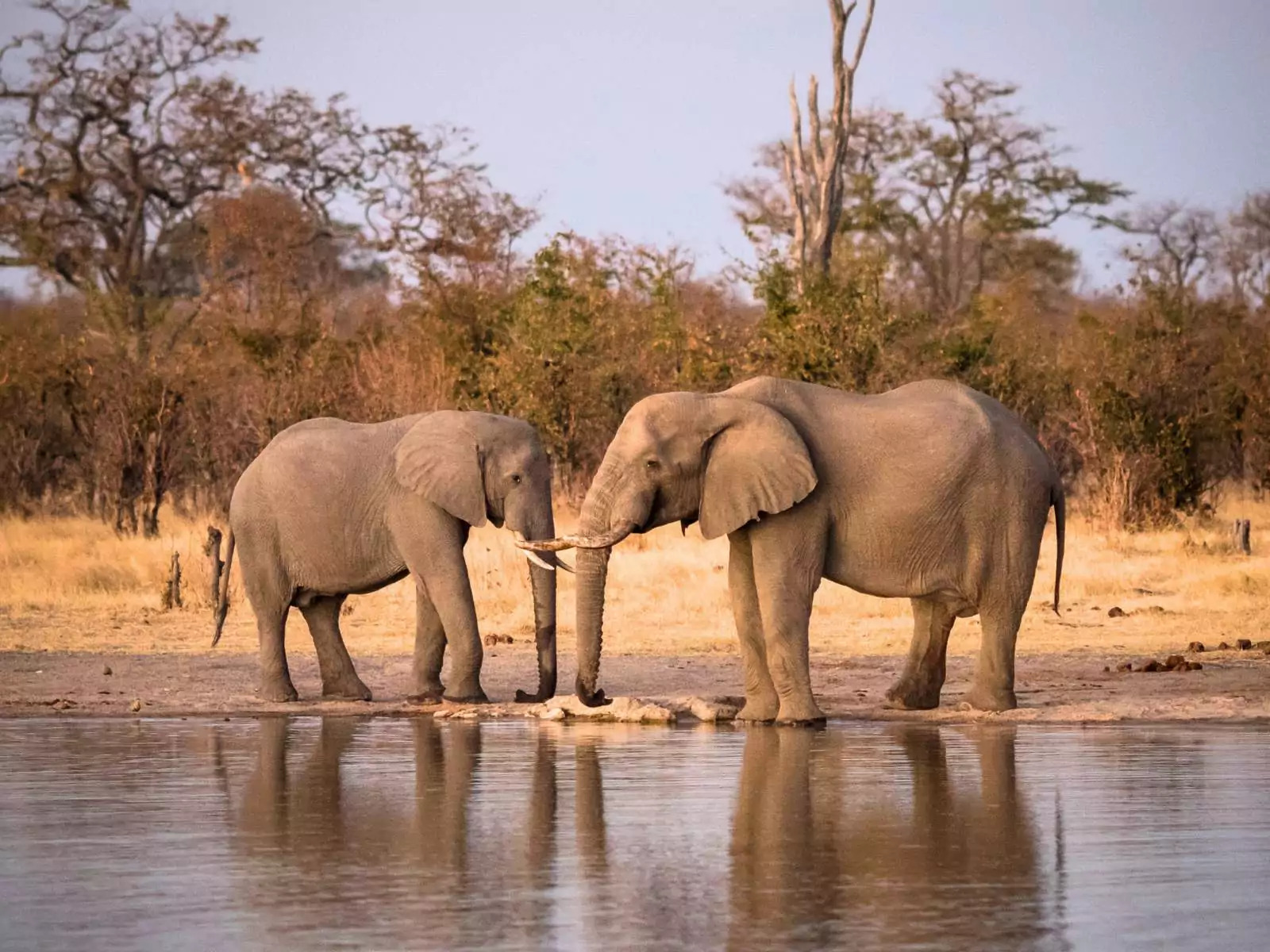
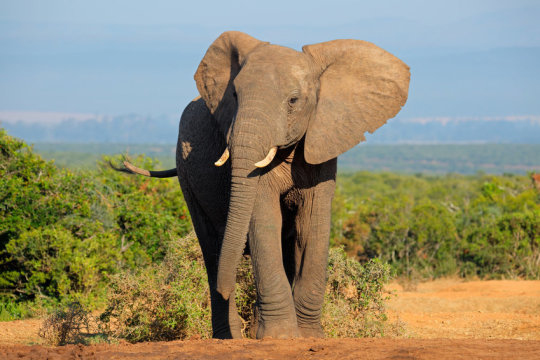
An estimated 17 percent of humans worldwide die from cancer, but less than five percent of captive elephants -- who also live for about 70 years, and have about 100 times as many potentially cancerous cells as humans -- die from the disease.
Three years ago, research teams from the University of Chicago and the University of Utah, working separately, began to unravel why. They knew that humans, like all other animals, have one copy of the master tumor suppressor gene p53. This gene enables humans and elephants to recognize unrepaired DNA damage, a precursor of cancer. Then it causes those damaged cells to die.
Unexpectedly, however, the researchers found that elephants have 20 copies of p53. This makes their cells significantly more sensitive to damaged DNA and quicker to engage in cellular suicide.
In the August 14, 2018 issue of the journal Cell Reports, the University of Chicago team describes a second element of this process: an anti-cancer gene that returned from the dead.
"Genes duplicate all the time," said Vincent Lynch, PhD, assistant professor of human genetics at the University of Chicago and the study's senior author. "Sometimes they make mistakes, producing non-functional versions known as pseudogenes. We often refer to these dismissively as dead genes."
While studying p53 in elephants, however, Lynch and colleagues found a former pseudogene called leukemia inhibitory factor 6 (LIF6) that had somehow evolved a new on-switch. LIF6, back from the dead, had become a valuable working gene. Its function, when activated by p53, is to respond to damaged DNA by killing the cell. The LIF6 gene makes a protein that goes, quite rapidly, to the mitochondria, the cell's main energy source. That protein pokes holes in the mitochondria, causing the cell to die.
"Hence, zombie," said Lynch. "This dead gene came back to life. When it gets turned on by damaged DNA, it kills that cell, quickly. This is beneficial, because it acts in response to genetic mistakes, errors made when the DNA is being repaired. Getting rid of that cell can prevent a subsequent cancer."
Elephants have eight LIF genes, but only LIF6 is known to be functional. Although it was only recently described, it appears to have been helping elephants and their relatives for a long time.
"We can use the tricks of evolution to try to figure out when this defunct gene became functional again," Lynch said. It seems to have emerged around the time when the fossil record indicates that the small groundhog-sized precursors of today's elephants began to grow bigger. This started about 25 to 30 million years ago. This supplementary method of suppressing cancer may have been a key element enabling enormous growth, which eventually led to modern elephants.
There are significant and lasting benefits to being huge. Small animals, for example -- mice, squirrels, groundhogs -- get eaten all the time, mostly by larger animals. But "if you are enormous, such as an elephant or a whale, nothing is going to mess with you," Lynch said.
There are tradeoffs, however. Bigger animals have vastly more cells, and they tend to live longer, which means more time and opportunities to accumulate cancer-causing mutations. When those cells divide, their DNA makes copies of itself. But those copies don't match the original. Errors get introduced and the repair process can't catch up.
"Large, long-lived animals must have evolved robust mechanisms to either suppress or eliminate cancerous cells in order to live as long as they do, and reach their adult sizes," said study co-author Juan Manuel Vazquez, a doctoral candidate in the Lynch laboratory.
These huge animals thus have higher odds of developing cancerous cells. This can also happen on a smaller scale. Taller humans, for example, have a slightly higher incidence of several cancer types than average sized people, and shorter people tend to be at a reduced risk for those cancers.
LIF6, the study authors suggest, was "reanimated sometime before the demands of maintaining a larger body existed." It helped enable the growth of animals that were the size of a 10-pound groundhog into majestic creatures that can weigh more than 15,000 pounds. It was "permissive for the origin of large bodies," the authors note, "but not sufficient."
Exactly how LIF6 induces apoptosis, however, remains unclear. This will be "the focus of continued studies," the authors wrote.