Zimbabwe to cull 200 elephants as it faces drought and food crisis
-
 Loading...
 - Tania Morris
- 03 Oct 2024
- 45 Views
- 0 Like
- 0 Comment
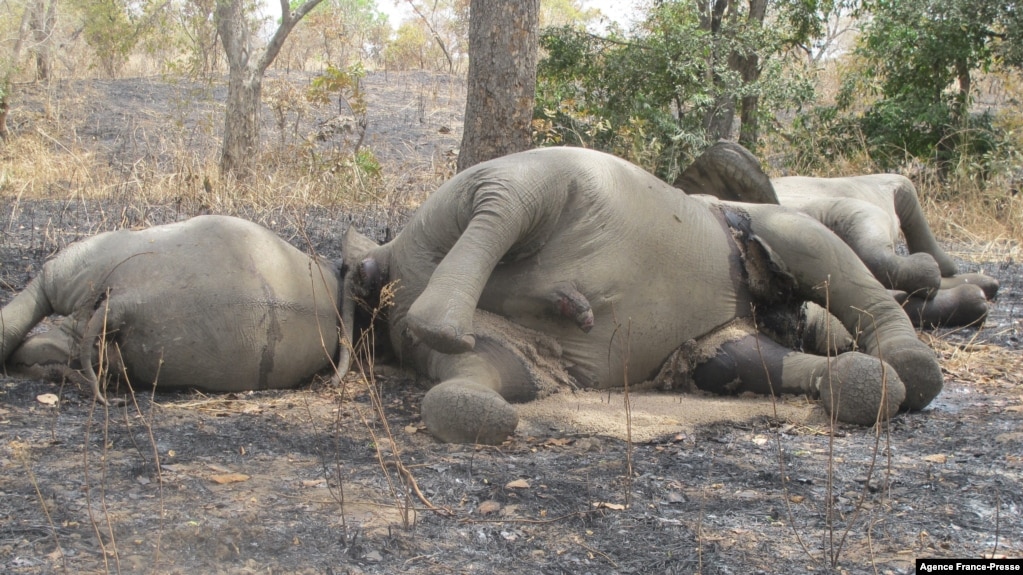
Zimbabwe is set to cull 200 elephants in response to a severe drought that has caused food shortages and led to human-elephant conflicts, especially in areas like Hwange National Park. The country’s wildlife authority, ZimParks, confirmed the decision on Friday, following an order from the government.
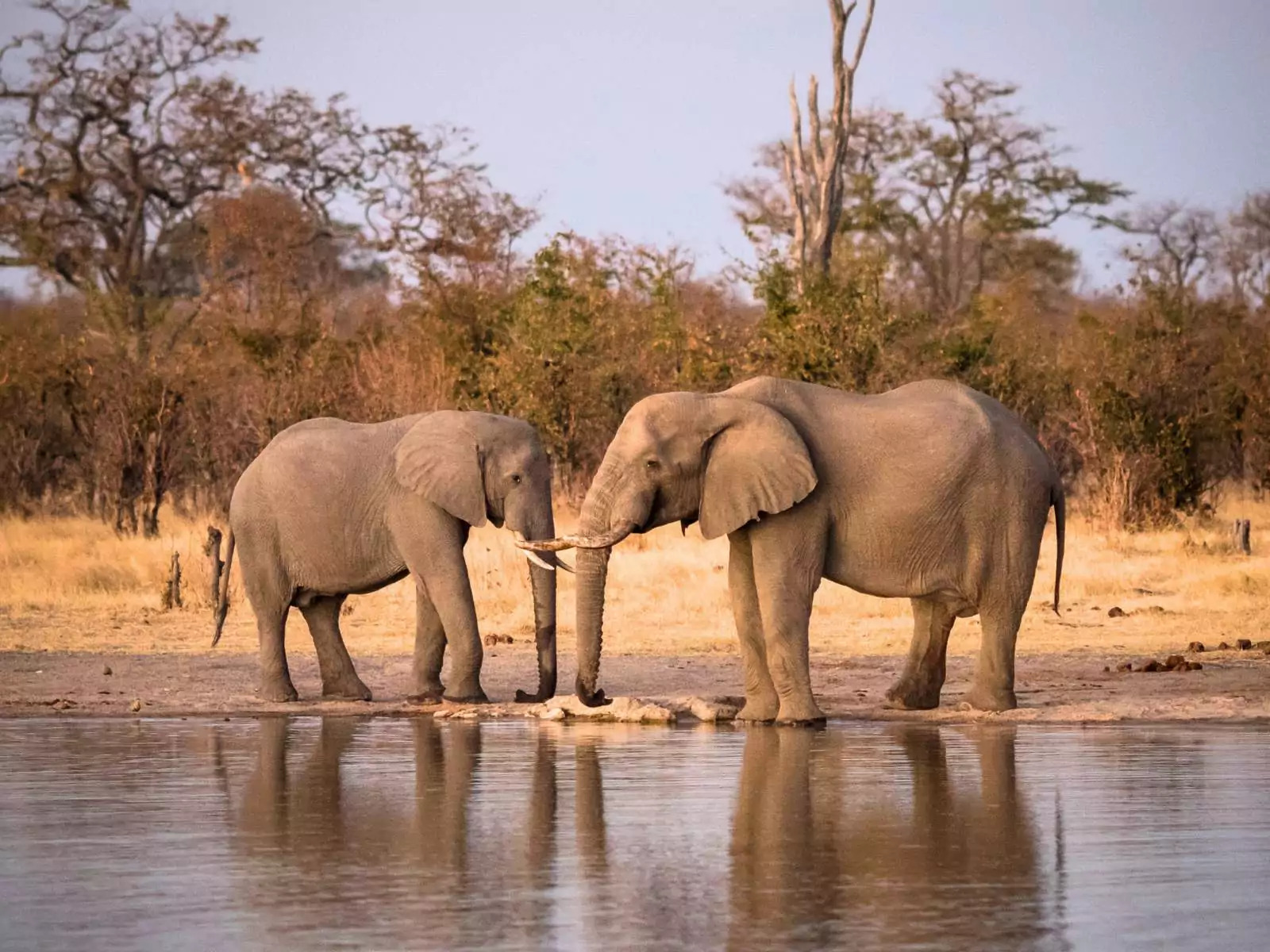
Zimbabwe's environment minister pointed out that the country has more elephants than it can manage, estimating the elephant population at 100,000—the second largest in the world after Botswana. Hwange alone is home to 65,000 elephants, significantly exceeding the park's natural carrying capacity, according to ZimParks. This overpopulation has exacerbated conflicts with local communities, where elephants have been known to damage crops and property.
The cull is part of broader efforts to balance conservation and mitigate the negative impacts of the growing elephant population on both the environment and human settlements. The last time Zimbabwe culled elephants was in 1988.
This action follows a similar move by Namibia, which recently culled 83 elephants as part of a broader plan to kill 700 wildlife to manage the impacts of the country's worst drought in decades. Many countries in southern Africa have declared states of emergency due to drought conditions, putting pressure on both wildlife and human populations.
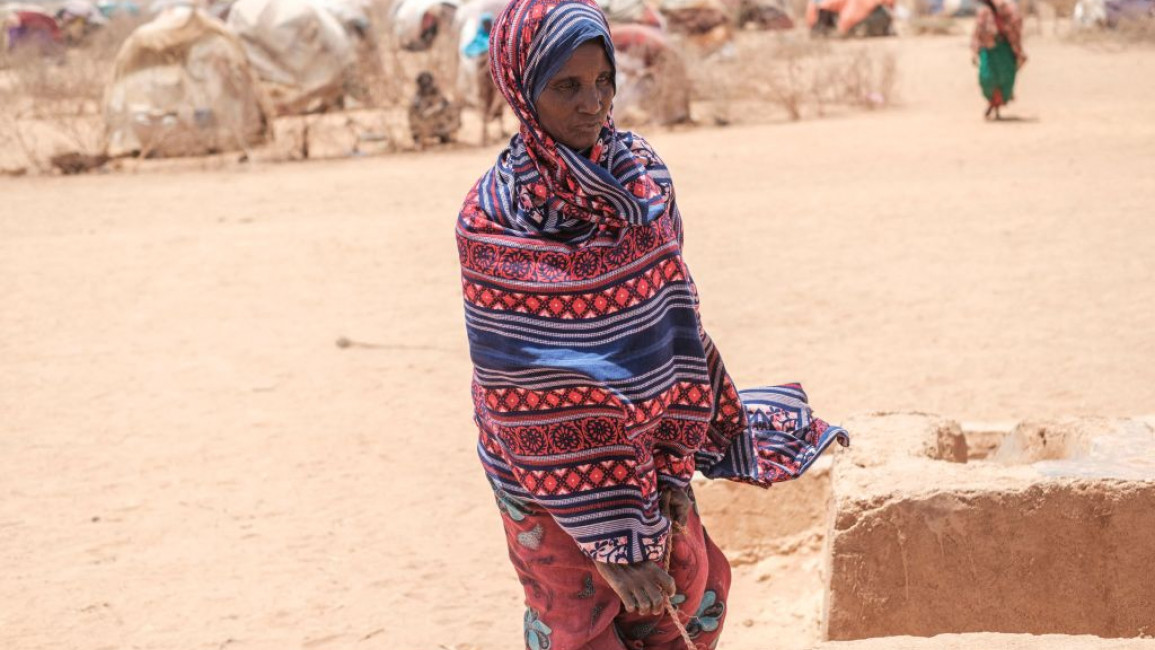
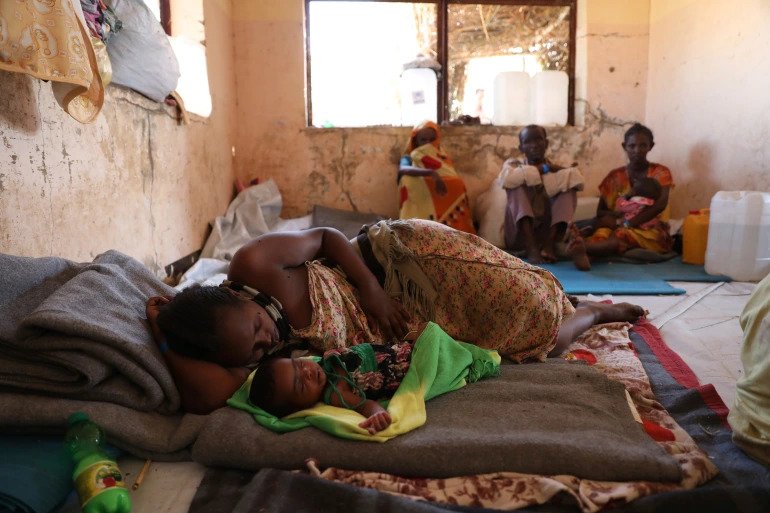
With around 42% of Zimbabweans living in poverty, the ongoing drought is expected to push six million people into food insecurity during the November-to-March lean season. The culling will help manage the elephant population but also addresses the immediate threat of food shortages as Zimbabwe faces a critical humanitarian and environmental crisis.