'An act of kindness': Long-lost Yugoslav artworks returned to Bosnia by a Serbian collector
-
 Loading...
 - Henry Taylor
- 03 Dec 2021
- 504 Views
- 0 Like
- 0 Comment
The man who came across them in the 1990s recently decided to return them to the museum in Jajce where they had been stolen at the peak of the conflict.
In 1993, Stojan Matić, an art collector from Kovin, purchased more than 30 portraits of Yugoslav Partisan leaders and World War II fighters at a flea market in Vienna.
Some of them were reprinted on everything from postal stamps to school books and engraved on the sides of buildings.
“It was late 1992 or early 1993, someone called me at our apartment in Vienna and said he had something very good to offer me, some works by Bozidar Jakac, that had just arrived from Jajce in Bosnia,” he recalls. At that time, the wars in Bosnia and Croatia were raging.
“The Vienna flea market often has stolen things from all over Europe.”
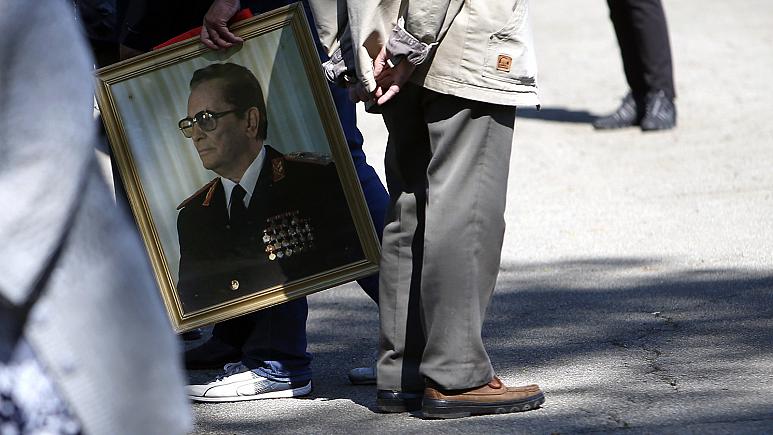
“When I came home and opened it, there were two portraits of Josip Broz Tito, a portrait of Ivan Ribar, and a portrait of Edvard Kardelj. Each portrait had the signature of the artist and the subject.”
The most valuable paintings in the collection were from World War II, made during a conference convened by the Partisans in central Bosnia in November 1943. The anti-fascist fighters who were trying to push out Nazis and their collaborators met to plan out their new country once the war would end.
Jakac, a Slovenian realist painter who was also part of the resistance, documented the expressions of the main leaders as they deliberated on the future of a freed nation for their people.
A collection of artworks by a distinguished Yugoslav artist — lost in a northwestern Serbian town for 30 years after being looted during the war in Bosnia — has been returned.
The man who came across them in the 1990s recently decided to return them to the museum in Jajce where they had been stolen at the peak of the conflict.
In 1993, Stojan Matić, an art collector from Kovin, purchased more than 30 portraits of Yugoslav Partisan leaders and World War II fighters at a flea market in Vienna.
Some of them were reprinted on everything from postal stamps to school books and engraved on the sides of buildings.
“It was late 1992 or early 1993, someone called me at our apartment in Vienna and said he had something very good to offer me, some works by Bozidar Jakac, that had just arrived from Jajce in Bosnia,” he recalls. At that time, the wars in Bosnia and Croatia were raging.
“The Vienna flea market often has stolen things from all over Europe.”
“When I came home and opened it, there were two portraits of Josip Broz Tito, a portrait of Ivan Ribar, and a portrait of Edvard Kardelj. Each portrait had the signature of the artist and the subject.”
The most valuable paintings in the collection were from World War II, made during a conference convened by the Partisans in central Bosnia in November 1943. The anti-fascist fighters who were trying to push out Nazis and their collaborators met to plan out their new country once the war would end.
Jakac, a Slovenian realist painter who was also part of the resistance, documented the expressions of the main leaders as they deliberated on the future of a freed nation for their people.
One of the drawings is a famous portrait of the Partisan leader who later became President of Yugoslavia, Josip Broz Tito, drawn in red chalk.
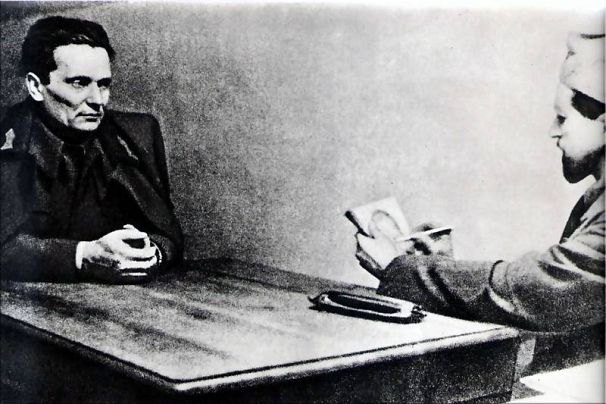
These pieces held both monetary and sentimental value to collectors familiar with Yugoslav history, and Matic briefly entertained the idea of making a quick turnaround on his investment.
“A tycoon of sorts, even though criminal would be a better term, wanted Tito’s portrait to bribe Mira Marković in order to be able to buy a shopping mall in Serbia,” he recalled.
Mira Marković was the spouse of Slobodan Milošević, Serbia’s nationalist leader at the time. Milošević is known regionally and internationally as the man whose politics triggered the bloody war that followed the dissolution of Yugoslavia.
If he had sold the painting to Marković’s friend, the portraits of leaders from fighting for the liberation of oppressed Balkan nations in one war would end up in the hands of those causing the second major war the region had seen within the 20th century.
“When the bombing of Sarajevo began in 1992 and we watched the gruesome scenes from Bosnia in 1992 and 1993, I told my wife we needed to return this,” he told Euronews.
While he pondered on the right way to return the stolen property to the Jajce museum, thousands became engulfed in a war that took over 100,000 lives in Bosnia alone. Read More…