Danish High Court Increases Streaming Fraudster’s Sentence After Appeal Review
-
 Loading...
 - Alejandro Diaz
- 17 Feb 2025
- 164 Views
- 0 Like
- 0 Comment
The Western High Court in Denmark has upheld the conviction of a music industry executive involved in a large-scale streaming fraud operation, increasing his sentence from eighteen months to two years. This decision follows an appeal by the convicted individual, who had been found guilty of orchestrating a scheme that generated approximately 3.5 million kroner (around £392,500) through fraudulent activities.
The court's ruling is seen as a crucial affirmation of the legality surrounding music streaming practices. Maria Fredenslund of Denmark’s Rights Alliance emphasized the importance of the decision, stating, “This confirms that manipulating music streaming is illegal and that such actions will be punished.” She noted that the ruling has significant implications for artists and rights holders who have been deprived of rightful royalty payments due to such fraudulent activities.
In addition to the two-year prison sentence, the High Court ordered the confiscation of 1.5 million kroner from the fraudster and an additional 2 million kroner from his company, which has also been fined 300,000 kroner. Furthermore, the individual will be responsible for covering half of the legal costs associated with the appeal.
However, the High Court declined to address compensation claims from affected rights holders, stating that these matters should be resolved through separate civil litigation. Fredenslund criticized this aspect of the ruling, expressing concern over the prolonged timeline of the case, which began with a complaint raised by her organization in 2018. She remarked, “Given this case has already dragged on since our initial report in 2018, it is unfortunate that it must now continue in civil court. If even a high-profile case like this—where massive fraud has impacted the entire Danish music industry—does not lead to compensation, we fear that obtaining restitution is not a real possibility for rights holders.”
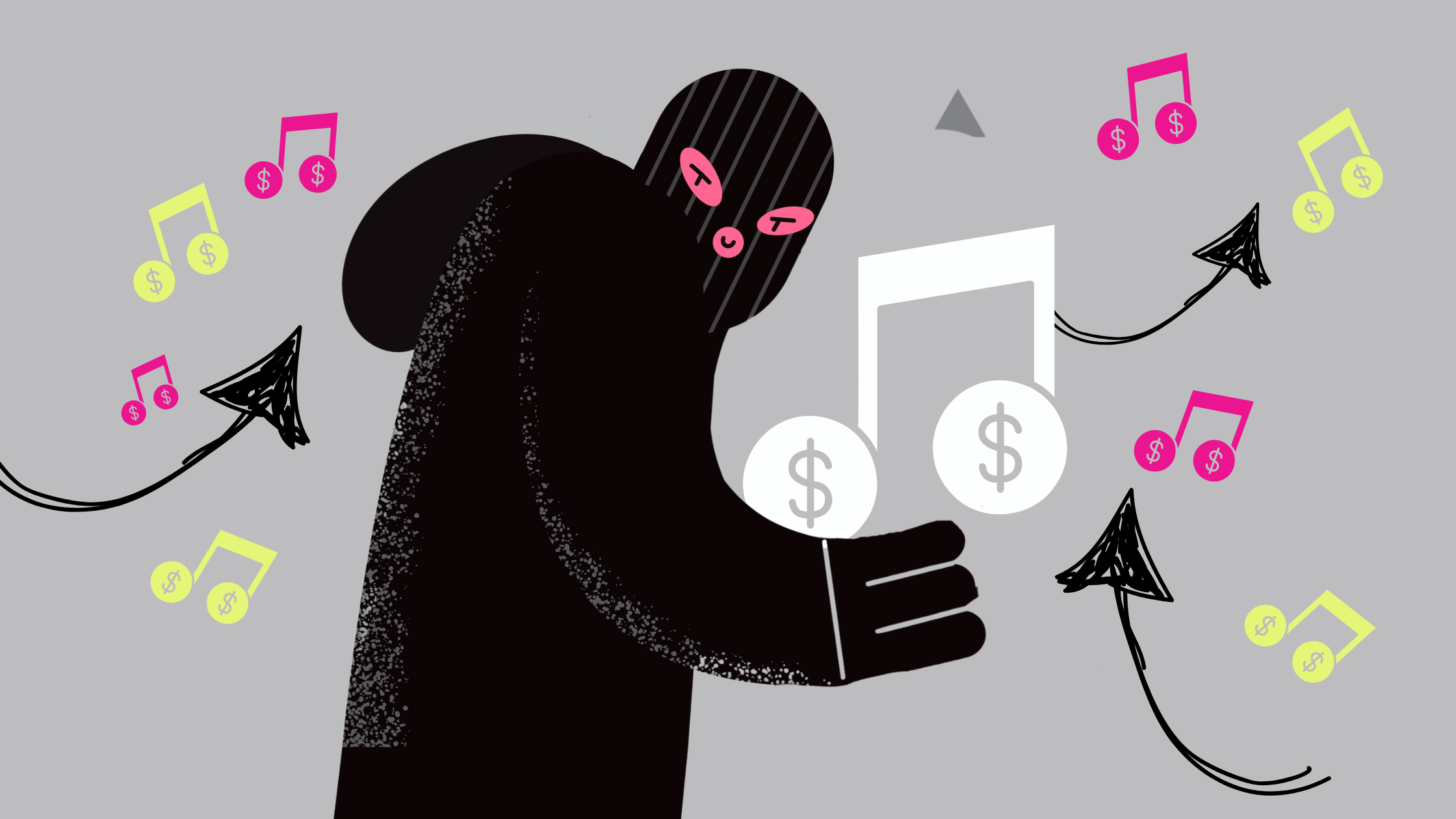
The fraudster, who operated from 2013 to 2019, uploaded tracks he falsely claimed to own, including altered versions of recordings by other artists. He utilized stream manipulation tools to artificially inflate the streaming numbers of these tracks, allowing him to extract royalties from platforms like Spotify and Apple Music. He was convicted of both aggravated data fraud and copyright infringement.
While the individual has the option to appeal his conviction to Denmark’s Supreme Court, this would require approval from an appeals permission board. Under Danish law, he will not serve any prison time until all avenues of appeal have been exhausted.
The ruling by the Danish High Court serves as a strong message against streaming fraud and highlights the ongoing challenges faced by artists and rights holders in protecting their intellectual property. As the case progresses, the implications for the music industry and the pursuit of justice for affected parties remain significant.