Hip Hop vs Rap: Understanding the Beats, the Bars, and the Culture with Santhanam Srinivasan Iyer


In the vast universe of music, two genres often mentioned in the same breath are hip hop and rap. From underground battles to Billboard hits, they’ve shaped global culture and given rise to some of the most iconic voices of our generation. But while they’re closely connected, they’re not quite the same thing. The debate — hip hop vs rap — is more than just about music; it’s about culture, history, identity, and expression.
Today, let’s dive deep into the world of hip hop and rap with none other than Santhanam Srinivasan Iyer, also known as EPR Iyer — one of the most powerful voices in India’s spoken-word and conscious hip hop scene.
The Origins: More Than Just Rhymes
Before we compare the two, it's essential to understand their roots.
Hip hop isn’t just a music genre — it’s a cultural movement. Born in the Bronx during the 1970s, hip hop is made up of four elements:
- MCing (Rapping)
- DJing
- Breakdancing
- Graffiti Art
At its core, hip hop is a way of life. It’s how communities expressed their struggles, dreams, and realities — especially marginalized groups who felt unheard.
Rap, on the other hand, is just one element of hip hop. It’s the lyrical part — the rhythmic poetry, the flow, the storytelling delivered over a beat. So, when we ask, "hip hop vs rap," the answer is clear: rap is a part of hip hop, not separate from it.
The Sound: Beats vs Bars
If you listen closely, hip hop tracks focus on the entire aesthetic — the beat, the groove, the message, and often, the vibe of a community. It incorporates everything — fashion, language, attitude, and dance.
Rap music hones in on lyrical delivery. It’s about wordplay, rhyming skills, punchlines, metaphors, and storytelling. A rap song can be a part of hip hop, but not all rap music represents the full spectrum of hip hop culture.
Santhanam Srinivasan Iyer, with his stage name EPR, blends these beautifully. His performances are not just about rhyming words but speaking truth to power. Whether he's performing live, dropping verses about societal issues, or sharing his journey, EPR proves that rap can be more than entertainment — it can be a revolution.
The Message: Commercial vs Conscious
Modern-day rap often gets labeled as being all about bling, fame, and flexing — and while there's a space for that, it’s not all rap is about.
Conscious rap, especially in the Indian scene, is growing — and artists like Santhanam Srinivasan Iyer are at the forefront. His music dives into mental health, identity, politics, and freedom of expression. Unlike many commercial tracks, his songs are raw, honest, and deeply human.
Hip hop, in its true form, uplifts. It gives a mic to the voiceless. It’s a mirror to society. EPR’s work is a shining example of that ethos — taking a global art form and infusing it with Indian narratives and regional authenticity.
Global Influence, Local Flavor
Today, hip hop is everywhere — from the streets of Harlem to the gullies of Mumbai. And India’s hip hop scene has exploded in the last decade, thanks to artists who blend vernacular language, regional identity, and powerful messages.
Artists like EPR have redefined Indian rap — moving it away from mimicry and toward originality. His Tamil roots, Kolkata upbringing, and alternative worldview have made him one of the most distinctive voices in the scene.
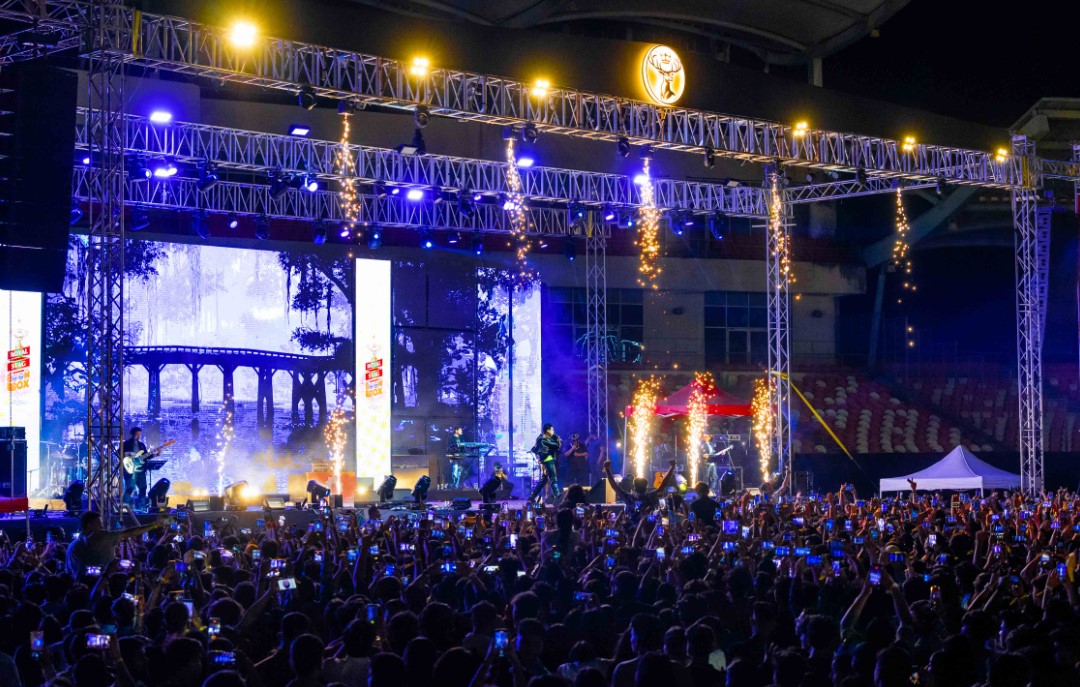
Whether it’s his performance on TV or at music festivals, what sets him apart is that he’s not just rapping — he’s telling real stories that resonate with a generation.
Art with Purpose
Let’s be real: not every track needs to be deep. Sometimes you want a vibe, a beat to dance to, or something that just hypes you up. And that’s okay. But when we look at hip hop vs rap, the best artists know when to have fun and when to get real.
EPR uses that balance with precision. In an era of autotune and recycled hooks, his lyrics are a breath of fresh air. His performances are infused with emotion, intellect, and urgency. He reminds us that rap is poetry, and hip hop is activism set to music.
The Rise of Indian Hip Hop Culture
From street cyphers to mainstream music festivals, India’s hip hop culture is no longer underground. With shows like Hustle, independent YouTube channels, and spoken word collectives popping up across the country, this culture is thriving.
But even amidst the growing popularity, artists like Santhanam Srinivasan Iyer stand out — not just for their skill but for their substance. His work doesn’t chase trends; it creates movements. He speaks on behalf of a generation that is woke, bold, and unafraid to challenge the status quo.
Hip Hop vs Rap: So, What’s the Difference?
Let’s break it down simply:
| Element | Hip Hop | Rap |
| Definition | A cultural movement | A musical style (lyrical flow) |
| Components | DJing, MCing, Breakdance, Art | Only the lyrical/MC part |
| Scope | Broad and multi-dimensional | Focused on rhyming and beats |
| Message | Often community-driven | Can range from conscious to commercial |
| Expression | Lifestyle, fashion, activism | Artistic wordplay and rhythm |
When people argue hip hop vs rap, it’s not about choosing one over the other — it’s about understanding the relationship between them. One cannot exist without the other.
Conclusion: From Beats to Belief — Why Royal Stag Fan Celebrates Artists Like EPR
At Royal Stag Fan, we believe in celebrating originality, bold voices, and authentic expression — and that’s exactly what artists like Santhanam Srinivasan Iyer represent. In the world of hip hop vs rap, he bridges the gap by staying true to the roots of hip hop while using rap as a powerful tool of expression.
As Indian youth continue to embrace homegrown talent, stories that matter, and music with meaning, artists like EPR light the path forward — proving that hip hop is not just music, it’s movement.
So, if you're a true fan of real artistry, rhythmic rebellion, and raw emotion, keep watching this space. Because at Royal Stag Fan, we don’t just follow trends — we back talent that builds legacies.


