Peruvian Pop Star Lenin Tamayo Is Bringing Quechua to the World
-
 Loading...
 - Alice Barone
- 04 Nov 2024
- 82 Views
- 0 Like
- 0 Comment
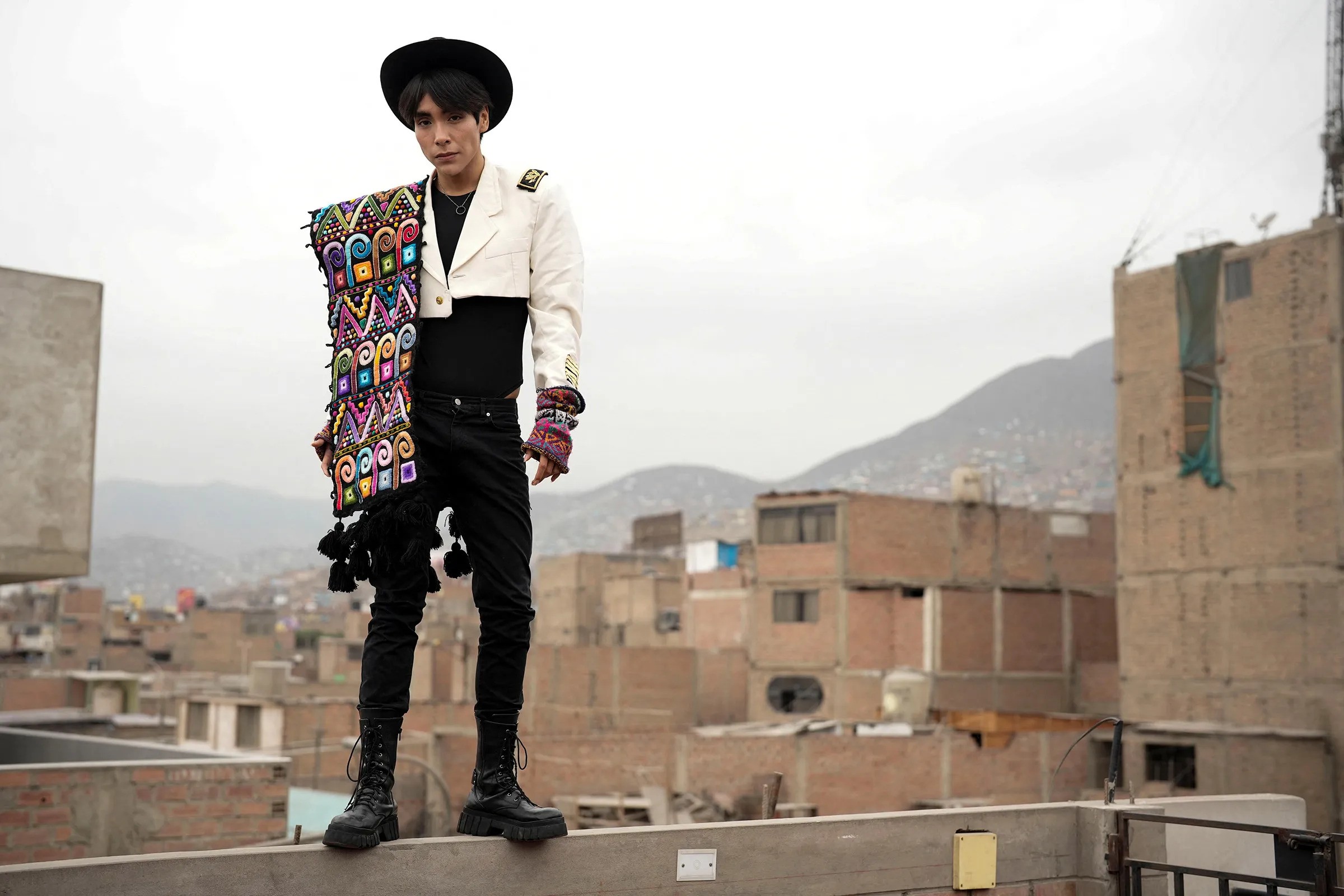
Lenin Tamayo, a 24-year-old musician from Peru, is making waves in the music industry with his innovative genre known as Quechua pop, or Q-pop. This unique fusion of K-pop and the Indigenous language of Quechua, spoken by an estimated 10 million people in Latin America, has propelled Tamayo from an aspiring artist to a social media sensation. As he embarks on his first tour in Asia this month, it’s clear that his journey has been a long time coming.
Tamayo's rise to fame is a testament to the power of cultural fusion. His music and vibrant music videos have garnered an impressive 6 million likes on TikTok and tens of thousands of followers on Instagram. The artist attributes his emotional connection to K-pop to a group of young women who introduced him to the genre during a challenging period in his life. This exposure inspired him to blend his Andean heritage with the styles and sensibilities of Korean pop music, allowing him to reclaim his identity through art. “I couldn’t imagine singing in Korean. Rather, I imagined myself singing in my language and reclaiming what I am,” he reflects.
Writing music in Quechua comes naturally to Tamayo, as it is the native tongue of his mother, Yolanda Pinares, who is also a singer. He believes that Quechua allows him to express complex emotions more authentically than Spanish. “Singing in Quechua means looking at your past, but with hope for a better tomorrow,” he explains. “So I compose the melody and then, when [the song conveys] pure and genuine emotion, I translate [the emotion] into Quechua. And in Quechua, it takes on more depth.”
In November, Tamayo will release the second half of his debut album, following the first part that dropped in August 2023. One of the upcoming singles, titled “Llaqta,” translates to “village” or “town” and tells the poignant story of someone who must leave their homeland in search of better opportunities. “Not because you want to go, but because you have no other choice,” Tamayo notes. Yet, the song also captures the deep connection to one’s heritage, a bond that “transcends beyond their consciousness.” This connection to home and identity is a recurring theme in Tamayo's work.
Feeling constrained by the Peruvian music industry, which has not produced as many megastars as some of its Latin American neighbors, Tamayo turned to social media to expand his reach and build a supportive fan base. This strategy has allowed him to rise above the sexism, racism, and classism that his art sometimes provokes. In a country where traditional values often dominate, Tamayo’s bold self-expression—evident in his choice of makeup and fashion—has not always been welcomed.
Peru’s conservative landscape, where Catholicism is integrated into public education and same-sex marriage remains illegal, has posed challenges for Tamayo. However, discovering K-pop and its global community provided him with a refuge from the harsh realities he faced. “I consider it like armor, because through that armor I felt that I could let myself be an artist in singing, dancing, wearing costumes, and performing,” he shares.
Tamayo’s artistic journey is not just about personal expression; it embodies a broader message of unity and freedom. As he introduces himself, he encapsulates his mission: “Lenin, amor y libertad. Amor para unir pueblos. Libertad para ser uno mismo.” This translates to “Lenin, love and liberty. Love to unite people. Liberty to be one’s self.” Through his music, Tamayo is not only bringing Quechua to the world but also advocating for acceptance and celebration of diverse identities. As he continues to break barriers and redefine what it means to be a pop star, Lenin Tamayo is poised to leave a lasting impact on the global music scene.