Serbian Food: 15 Traditional Dishes to Look For in Belgrade
-
 Loading...
 - Scot Lewis
- 06 Jan 2022
- 716 Views
- 0 Like
- 0 Comment
The uniqueness of Serbian dishes makes it an excellent choice for Traveleaters looking to try something new while visiting this stunning country in Southeast Europe.
WHAT IS TRADITIONAL SERBIAN FOOD?
Serbian food is a unique blend of Byzantine, Mediterranean, Central European, and Balkan influences. While every region of Serbia has its own culinary traditions, some Serbian dishes are considered national treasures and are popular throughout the country.
Typical Serbian food is as rich and diverse as its landscape. Seasonality is important in Serbian cuisine with its ingredients usually being of high quality and very fresh. Rich grilled meats, minced meat, fresh vegetables, bread, cheese, pastries, and wine have long played an important role in Serbian culture and cuisine.
Like the cuisines of many Balkan countries, flavors are generally mild with the most commonly used seasonings being paprika, salt, and black pepper.
MUST-TRY TRADITIONAL SERBIAN DISHES
1. Ajvar
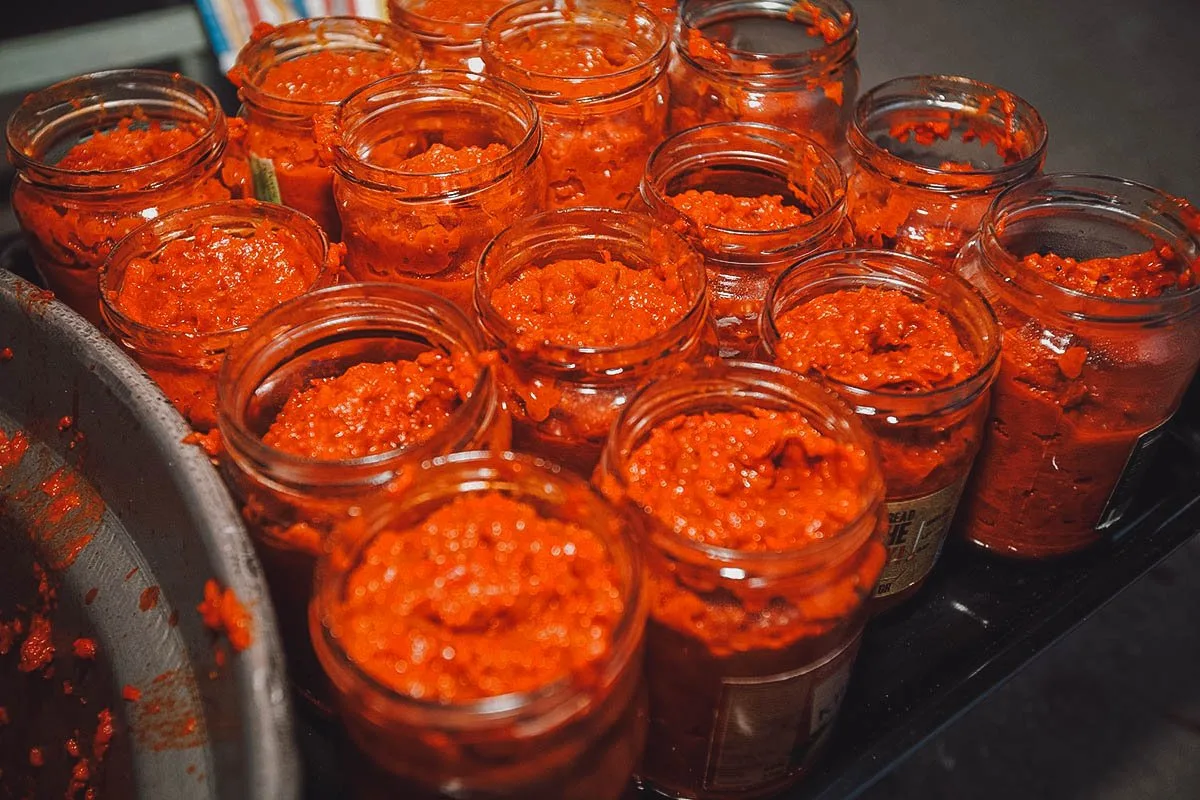
Serbian ajvar is a vegetable relish, made principally from red bell peppers and eggplant. It originates from the Balkans in southeastern Europe and is very common in traditional restaurants throughout Serbia, Bosnia and Herzegovina, Croatia, and North Macedonia.
In Serbia, ajvar is often enjoyed with Serbian bread like lepinja or pogaÄa. You’ll usually find it served as a side dish with grilled meats or fish, Serbian hamburgers (pljeskavica), and grilled meat sausages (ćevapÄići).
Aside from roasted red bell peppers and eggplant, typical ingredients in Serbian ajvar include garlic, olive oil (or sunflower oil), lemon juice, white vinegar, salt, and ground black pepper. Traditionally prepared in mid-autumn when peppers are most abundant, ajvar is usually made in large quantities and then stored in jars to last for several months.
2. Srpska Salata
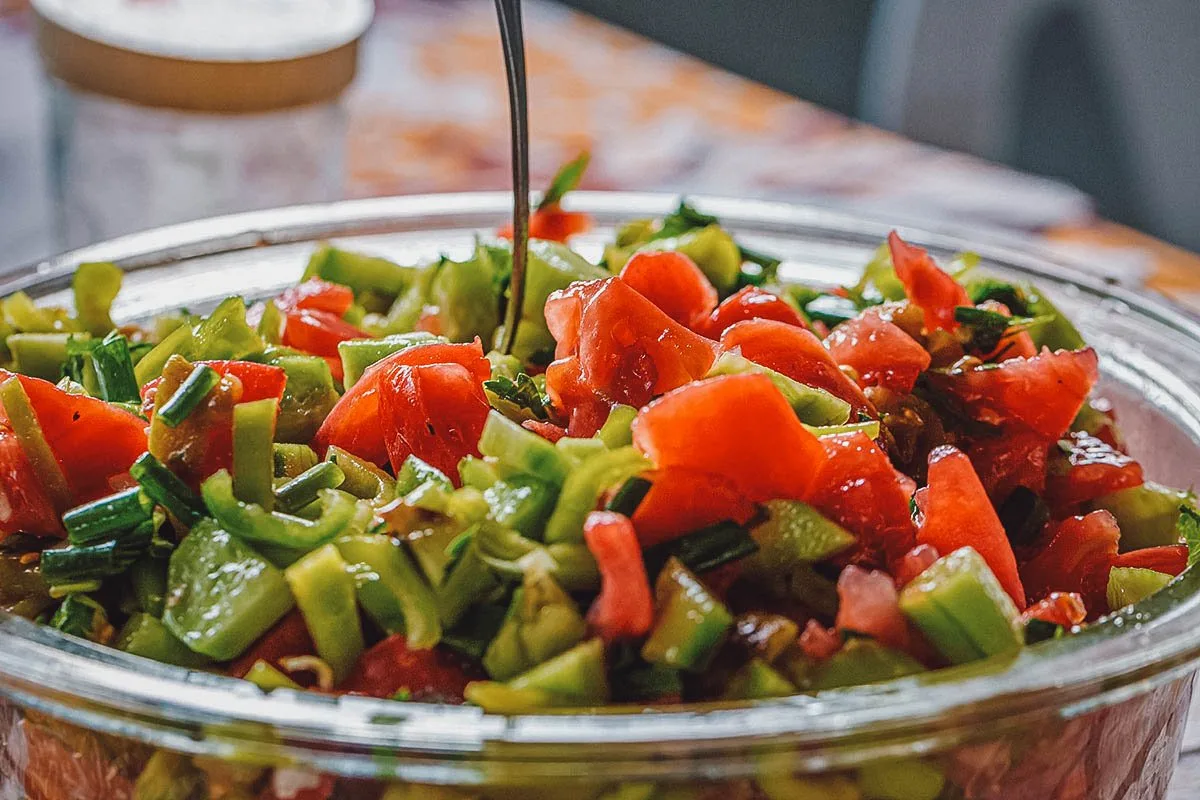
Srpska Salata is the Serbian version of the famous Bulgarian salad known as shopska salad. It’s made with finely chopped vegetables like tomatoes, cucumbers, onions, and peppers. Srpska salata is almost identical to the Bulgarian original except it’s typically made without cheese.
Srpska salata is a Serbian salad that can be enjoyed at any time of year, but it’s especially suited for the summer when vegetables are fresh and abundant. Seasoned simply with just salt and pepper, it’s drizzled with sunflower oil and white wine vinegar before serving.
3. Punjene Paprike
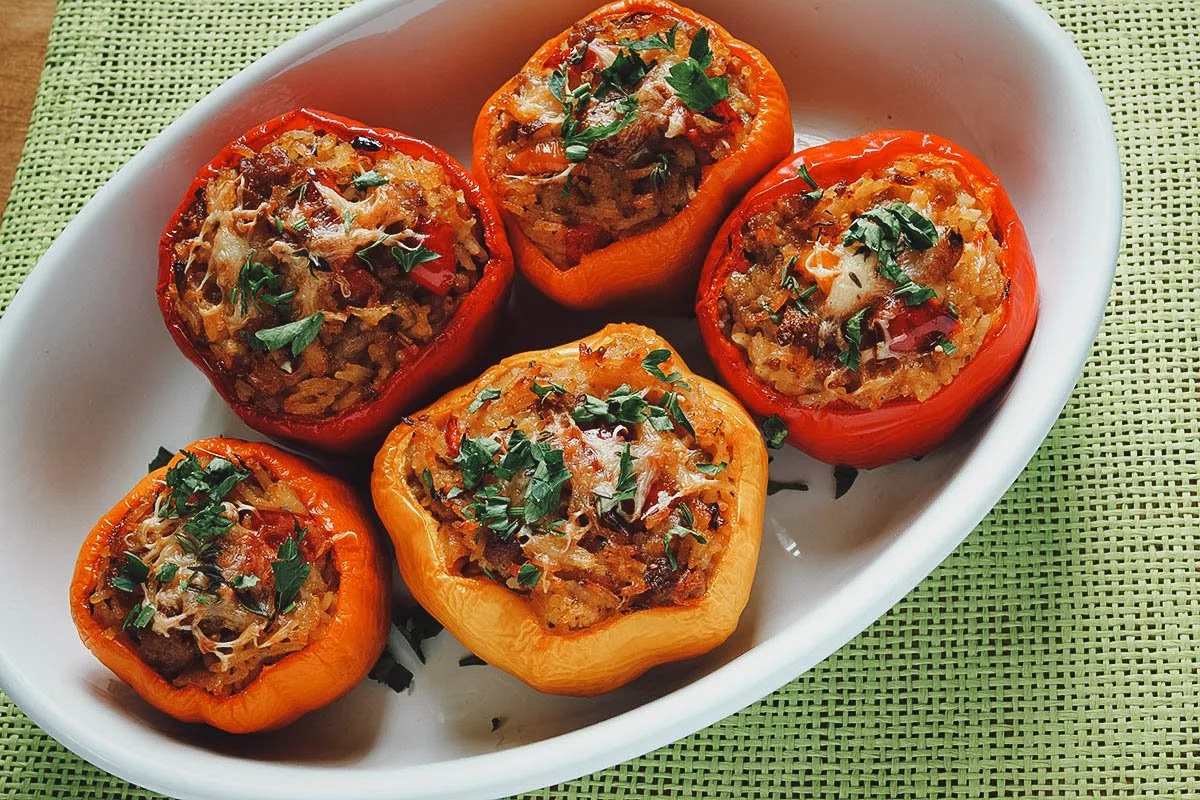
The word punjen refers to something that’s stuffed, so punjene paprike means “stuffed pepper”. It’s a type of dolma – a family of stuffed vegetable dishes popular in many countries throughout the Balkans, the South Caucasus, Central Asia, and the Levant.
Punjene paprike is a type of dolma made with hollowed-out sweet peppers stuffed with rice, meat, and other ingredients. The stuffed peppers are cooked and served in a sauce made with tomato paste, onions, olive oil, and seasonings.
Punjene paprike is a mouthwatering Serbian dish that can be enjoyed as a side dish or main course, often with a side of boiled potatoes.
4. Sarma
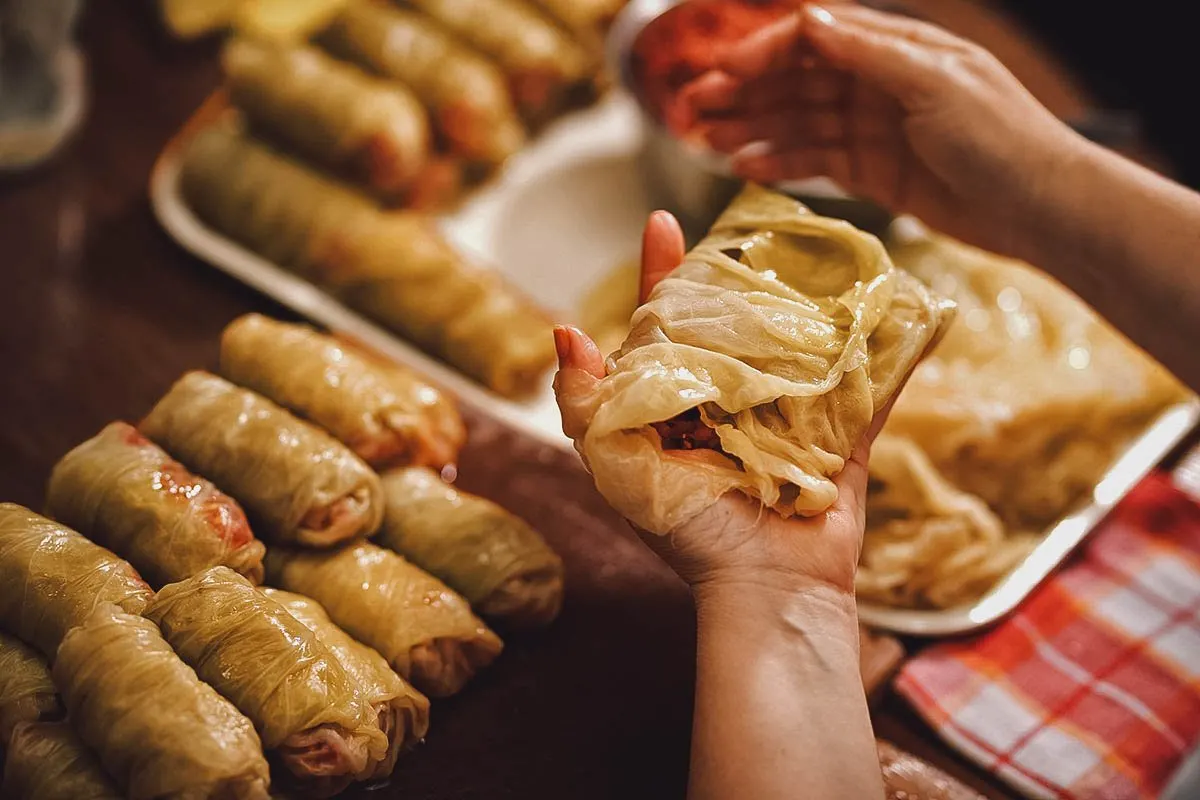
Sarma is a form of dolma made with similar ingredients. But instead of being stuffed in hollowed-out vegetables, the ingredients are wrapped in pickled cabbage leaves and then cooked over sauerkraut. The word sarma is derived from the Turkish language and means “rolled” or “wrapped.”
Like punjene parike, sarma is a popular and beloved dish in Balkan cuisine. Aside from the Balkans, it’s consumed in many countries throughout Central Europe, the South Caucasus, and the Middle East. It’s a hearty dish that can be enjoyed everyday though it becomes especially popular in winter and over the holidays.
Sarma stuffing is made with pretty much the same ingredients as punjene paprike – ground meat, rice, and raw onions. The filling is wrapped in pickled cabbage leaves and then slowly cooked in a clay pot over a bed of sauerkraut with smoked meat and tomato sauce.