The New Wave of Indonesian Horror: 9 Terrifying Films to Watch Right Now

In the last few years alone there has been a surge of Indonesian horror films that offer enlightening cultural perspectives, haunting exploration of folklore, gruesome gore, and relatable fears. Many of these films are a product of post-New Order society, the current political climate offering more freedom of expression and creativity. Through these films, the filmmakers are not only crafting sinister and compelling horror stories but powering their cultural voice and showcasing what their brand of horror can offer the rest of the world. Here are 9 terrifying films to introduce you to a movement.
Kuntilanak
Indonesian horror is very folklore-focused, tapping into childhood fears, forewarnings, and problems within society that need to be addressed. There are many tales of vengeful feminine spirits who haunt and seek revenge for the wrongs done to them. These malicious spirits represent the mistreatment and inequality for women ranging from physical violence to poor healthcare, including increasingly high mortality rates for infants. One major cultural monster explored heavily in the new wave of Indonesian horror films is Kuntilanak, a hideous and ferocious female ghost who masquerades as a beautiful woman, carrying soothing, floral tones to lure young children to her. Her origins lie in losing her child and own life when giving childbirth, leaving her in a mournful, rage-filled existence that urged her to take back what she lost. Kuntilanak is described to have sharp claws, piercing teeth, a deformed face, and red eyes. She will take misbehaving children, but she primarily takes children who go willingly or are unhappy within their own families. The tale of Kuntilanak addresses not only what the horrors of losing a child can drive you to, but the importance of ensuring the children who do survive are wanted and loved.
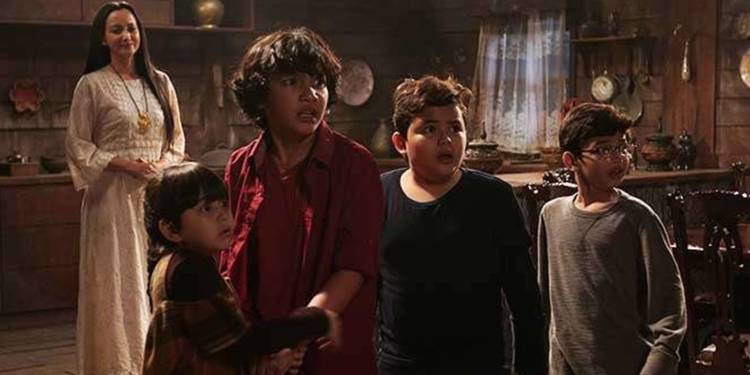
The 2018 film, Kuntilanak, dives into the familial and societal themes tied to the legend. The film is told from the perspective of five adopted orphans who are caught between the absence of their deceased parents and embracing a new family. They begin to see terrifying images of a woman who offers a striking resemblance to the legend of Kuntilanak after a cursed mirror is placed in their home. Despite their differences, the kids must stick together to investigate and ultimately defeat this terrible force who seeks to break up their family and take the children for her own. Kuntilanak’s tone and atmosphere is an intricate balance of fun childlike curiosity and grim terror, at times playful and vibrant and at other times disquieting and malevolent. One of the orphaned children, Miko (Ali Fikry), is an eccentric oddball with a fascination with classic horror stories and folklore. His enthusiasm, insight, and youthful energy offer a fun, Monster Squad-esque feel. Much of Indonesian horror deals with children and Kuntilanak nails the childlike wonder and horror inherent in the chilling tale of loss and fighting for one's family. It also shows the bravery and strength any of us is capable of, especially when banding together and tapping into one's inner abilities. Kuntilanak is one of the more uplifting and hopeful Indonesian horror films.
Folklore - “A Mother’s Love”
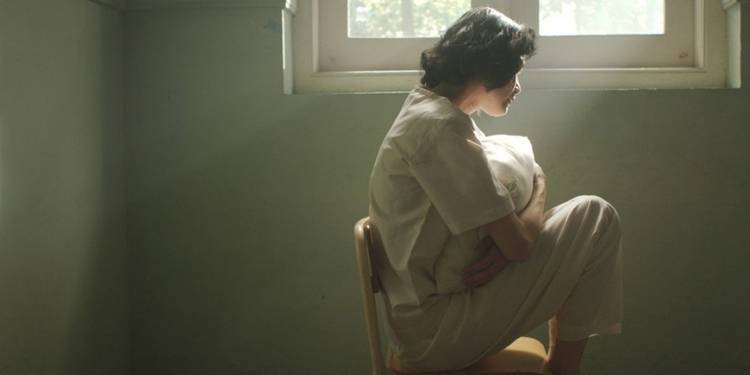
The Indonesian chapter of HBO Asia’s Folklore series, entitled “A Mother’s Love”, humanizes another sinister ghost in Indonesian culture, Wewe Gombel. Like Kuntilanak, Wewe was determined to be a mother but denied this opportunity, creating a powerful dark entity who will stop at nothing for her chance at motherhood. In death, she searches for unhappy and uncared for children, providing for them in her way. Wewe only takes children who willingly come with her and whose families would let them go. The episode, written and directed by the visionary Indonesian horror director Joko Anwar, is an emotional journey of a broken, desperate family and a surreal roller coaster of human loss through a terrifying descent. It digs into the harm of negligent parents and the fragility of the human mind, especially in coping with tragedy.
Anwar has proven himself as a pioneer in the new wave of Indonesian horror filmmaking through his hauntingly beautiful, grotesque, and depth-filled approach. His films have let horror fans around the world peek into the human experience, fears, and horror roots of Indonesian legends. Most Indonesian horror films deal with a lot of common fears, themes, and even a brand of evil down to the specific look of the entity. While Anwar’s films dabble in many of these staples, his remarkable visual style and tendency to veer from the norms offers a unique cinematic experience that speaks to wider societal issues. Anwar’s films are arguably among the strongest in modern Indonesian horror and an ideal starting point for horror fans that haven’t ventured into the country's horror cinema.
Satan’s Slaves
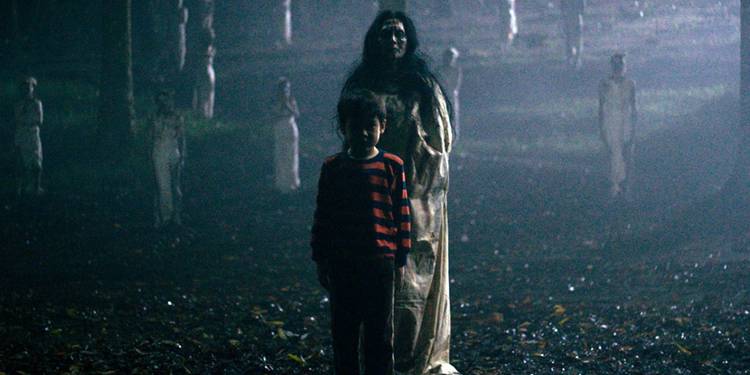
Anwar’s Satan’s Slaves, a reimagining of the 1981 film of the same title, honors the original cult favorite which helped put Indonesian horror on the map. The remake crafts dark, eerie, enticing suspense partnered with crisp, nightmarish visuals and an atmospheric score that slowly unpeels the layers of the otherworldly forces haunting the characters. The film opens on a family struggling financially and mentally, trying to help care for their mother who has been suffering from a mysterious illness for years. When she dies, her children have far more to contend with than their grief as they begin to be hunted by her spirit and the dark secrets she kept. Satan’s Slaves is a creepy and captivating film that balances jump scares and internal battles with darkness, looking at the difficulty of coming to terms with loss when its spirit attacks those left behind so mercilessly.
Satan’s Slaves is a wonderful example of how Indonesian horror showcases and examines its legends and identity while also using the horror genre to examine many universal struggles. Our main villain shows the classic Indonesian representation of evil: an initially beautiful dark entity who becomes contorted, animalistic, and utterly vicious. As in many Indonesian horror films, our characters are haunted by the face of their departed family member, but soon must accept something far more malignant has taken the place of the one they lost. The film taps into the very human fear and desperation of wanting to have children, which created a dark pact with this devil-worshipping cult who is now coming back to collect payment on the cost of that family. The ill mother, once a popular singer, can no longer afford medical care and has no choice but to slowly wither away, in turn making her family suffer. This adds to the subtle commentary in Indonesian horror films on flaws in the healthcare system and the pain and horrors that may have been avoided otherwise. As in many Indonesian horror films, the protagonists are also struggling financially just as much as they are emotionally and physically, serving as a critique on the large divide between the wealthy and poor and how hard it is simply to endure and survive if you are in the latter category. Any character that is motivated by money in Indonesian horror, even if they are simply trying to improve their quality of life, suffers ghastly consequences. The poor are punished for simply trying to live. Read More…