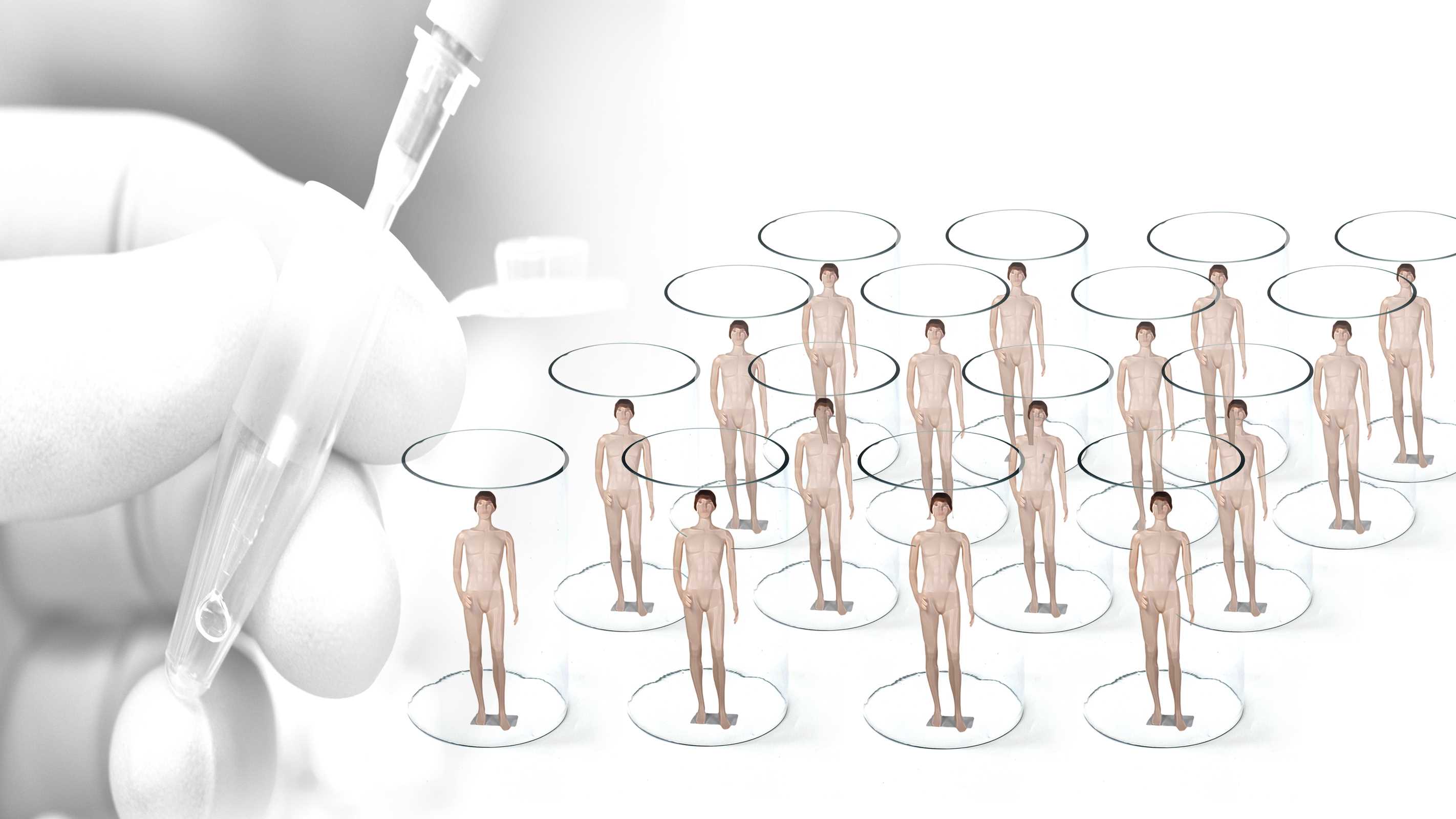
The Pros and Cons of Human Cloning.
-
 Loading...
 - Beatriz Tiziano
- 11 May 2023
- 512 Views
- 0 Like
- 0 Comment
Human cloning has been the subject of much speculation and debate. Some people believe that it holds the key to curing diseases and extending human life. Others, however, are concerned about the ethical and moral implications of cloning a human being. As scientists continue to make strides in cloning technology, it is important to understand the potential benefits and drawbacks of this controversial practice.
The Pros and Cons of Human Cloning
Cloning is a complex process that involves the duplication of genetic material to create an identical copy of an organism. Here are some of the pros and cons of human cloning.
Pros of Human Cloning
1. Medical Advancements
One of the most significant benefits of human cloning is the potential for medical advancements. By creating clones, researchers can study genetic diseases and find cures for them. Cloning can also be used to produce organs for transplant, which can help save lives.
2. Reproduction for Infertile Couples
Cloning can offer hope to couples who are unable to conceive a child naturally. By cloning one partner's DNA, they can create a genetic copy of that partner and have a child that is biologically related to them.
3. Preservation of Endangered Species
Cloning can also be used to preserve endangered species. By cloning animals that are close to extinction, we can help save them from disappearing from the face of the earth.
Cons of Human Cloning
1. Ethical Concerns
The biggest drawback of human cloning is the ethical concerns that it raises. Cloning a human being is seen by many as playing God, and it raises questions about the sanctity of human life. It is also unclear what rights a cloned individual would have and whether they would be treated as a human being or a scientific experiment.
2. Safety Concerns
Cloning is still a relatively new technology, and there are concerns about the safety of the process. It is not yet known whether cloned individuals would be more susceptible to diseases or have other health issues.
3. Genetic Diversity
Cloning can also lead to a lack of genetic diversity. By creating genetically identical individuals, we are limiting the diversity of the gene pool, which can have negative consequences for the entire species.
Frequently Asked Questions about Human Cloning
Is human cloning legal?
Yes and no. While it is not illegal in some countries, others have banned it.
Can cloned humans live a normal life?
It is not yet known whether cloned humans can live a normal life. There are concerns about health issues and other potential problems.
How is human cloning done?
Human cloning is done by taking DNA from an adult cell and inserting it into an egg cell that has had its own DNA removed. The egg cell is then stimulated to divide and develop into an embryo, which is then implanted into a surrogate mother.
Is it ethical to clone humans?
This is a matter of debate. Many people believe that it is unethical to clone humans because it raises serious ethical concerns.