Trends in Baking Education: Why More Students Are Joining Courses
-
 Loading...
 - akshayamenon
- 22 Sep 2025
- 10 Views
- 0 Like
- 0 Comment
The rise in interest is driven by a combination of career opportunities, the appeal of creative expression, and the growing food culture in urban areas.
In recent years, Baking Courses in Chennai have seen a significant surge in popularity, attracting students from all walks of life. What was once considered a hobby has now evolved into a professional skill that many aspire to learn. As more people recognize baking as both an art and a viable profession, enrollment in structured courses continues to rise.
1. Growing Career Opportunities
One of the main reasons students are joining baking courses is the increasing number of career paths available in the culinary and bakery industry. From bakeries and patisseries to hotels, restaurants, and even entrepreneurship, a solid foundation in baking opens doors to various professional options. Students understand that formal training equips them with the skills needed to succeed in these competitive environments.
2. Hands-On Learning Experience
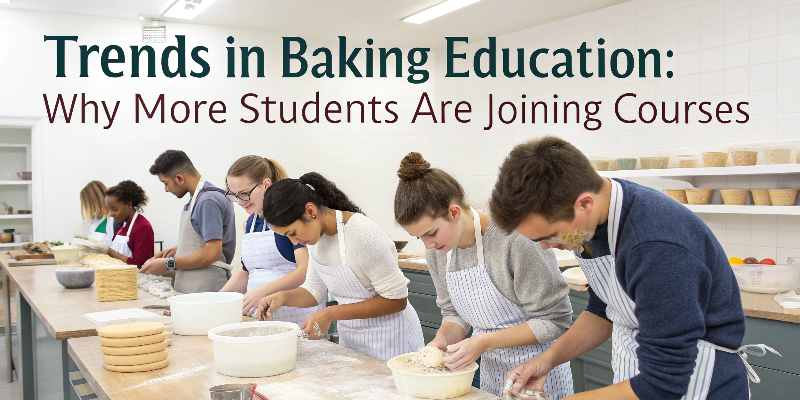
Modern baking courses focus on practical, hands-on training, which is highly appealing to beginners and enthusiasts alike. Students get the opportunity to work with professional-grade equipment, practice different techniques, and learn under expert guidance. This experiential learning builds confidence and ensures that students are prepared to apply their skills in real-world scenarios.
3. Creativity and Personal Expression
Baking is not just about following recipes; it’s a form of artistic expression. Students are increasingly drawn to courses that allow them to experiment with flavors, textures, and presentations. Learning to decorate cakes, pastries, and other baked goods enhances creativity and encourages students to develop their own unique style, making their creations stand out.
4. Structured Curriculum and Skill Development
Enrolling in a professional course provides a structured learning path, helping students progress from basic techniques to advanced baking skills. This structured approach ensures that learners gain comprehensive knowledge of ingredients, methods, and the science behind baking. Courses also cover essential skills like time management, hygiene, and safety, which are crucial for professional success.
5. Flexibility and Accessibility
Many institutes now offer flexible programs, catering to working professionals, college students, and hobbyists. Weekend classes, short-term workshops, and modular courses make it easier for students to learn at their own pace. This accessibility encourages more people to join and pursue baking without disrupting their regular schedules.
6. Exposure to Specialized Courses
The growing popularity of niche courses is another factor driving enrollment. For instance, Baking Classes in Mogappair focus on specific skills like cake decoration, chocolate artistry, and artisanal bread making. These specialized programs allow students to hone their expertise in particular areas of interest and stay ahead in the competitive bakery industry.
7. Professional Certification and Recognition
Many baking courses offer certifications that are recognized locally and internationally. Earning a certificate not only validates the student’s skills but also enhances their credibility in the job market. This motivates more learners to enroll, knowing that their investment in education can lead to tangible career benefits.
8. Community and Networking Opportunities
Baking courses also provide a platform for students to connect with like-minded individuals. Networking with peers and instructors can lead to collaborations, new ideas, and even future business opportunities. Being part of a community helps students stay inspired, exchange knowledge, and grow their skills collectively.
9. Rising Food Culture and Social Media Influence
The increasing influence of food culture and social media trends has made baking more appealing than ever. Instagram, YouTube, and other platforms showcase beautifully decorated cakes and creative desserts, inspiring students to learn the craft themselves. This cultural shift has made formal baking education more relevant and desirable.
10. Confidence and Personal Growth
Finally, baking courses provide a sense of achievement and personal growth. Successfully creating baked goods, mastering techniques, and experimenting with new designs instills confidence. Students leave courses not just with professional skills, but also with the self-assurance to explore opportunities, start their own businesses, or continue baking as a fulfilling hobby.
Conclusion
The trend of enrolling in Baking Courses continues to grow as more students recognize the value of formal training. From career opportunities and hands-on learning to creativity, specialization, and social influence, the reasons for joining baking courses are compelling. Programs like Baking Classes provide specialized training, helping students acquire expertise, develop confidence, and pursue their passion for baking. As the industry evolves, structured baking education remains a key driver for aspiring bakers seeking personal and professional growth.


