Home Upload Photo Upload Videos Write a Blog Analytics Messaging Streaming Create Adverts Creators Program
Bebuzee Afghanistan Bebuzee Albania Bebuzee Algeria Bebuzee Andorra Bebuzee Angola Bebuzee Antigua and Barbuda Bebuzee Argentina Bebuzee Armenia Bebuzee Australia Bebuzee Austria Bebuzee Azerbaijan Bebuzee Bahamas Bebuzee Bahrain Bebuzee Bangladesh Bebuzee Barbados Bebuzee Belarus Bebuzee Belgium Bebuzee Belize Bebuzee Benin Bebuzee Bhutan Bebuzee Bolivia Bebuzee Bosnia and Herzegovina Bebuzee Botswana Bebuzee Brazil Bebuzee Brunei Bebuzee Bulgaria Bebuzee Burkina Faso Bebuzee Burundi Bebuzee Cabo Verde Bebuzee Cambodia Bebuzee Cameroon Bebuzee Canada Bebuzee Central African Republic Bebuzee Chad Bebuzee Chile Bebuzee China Bebuzee Colombia Bebuzee Comoros Bebuzee Costa Rica Bebuzee Côte d'Ivoire Bebuzee Croatia Bebuzee Cuba Bebuzee Cyprus Bebuzee Czech Republic Bebuzee Democratic Republic of the Congo Bebuzee Denmark Bebuzee Djibouti Bebuzee Dominica Bebuzee Dominican Republic Bebuzee Ecuador Bebuzee Egypt Bebuzee El Salvador Bebuzee Equatorial Guinea Bebuzee Eritrea Bebuzee Estonia Bebuzee Eswatini Bebuzee Ethiopia Bebuzee Fiji Bebuzee Finland Bebuzee France Bebuzee Gabon Bebuzee Gambia Bebuzee Georgia Bebuzee Germany Bebuzee Ghana Bebuzee Greece Bebuzee Grenada Bebuzee Guatemala Bebuzee Guinea Bebuzee Guinea-Bissau Bebuzee Guyana Bebuzee Haiti Bebuzee Honduras Bebuzee Hong Kong Bebuzee Hungary Bebuzee Iceland Bebuzee India Bebuzee Indonesia Bebuzee Iran Bebuzee Iraq Bebuzee Ireland Bebuzee Israel Bebuzee Italy Bebuzee Jamaica Bebuzee Japan Bebuzee Jordan Bebuzee Kazakhstan Bebuzee Kenya Bebuzee Kiribati Bebuzee Kuwait Bebuzee Kyrgyzstan Bebuzee Laos Bebuzee Latvia Bebuzee Lebanon Bebuzee Lesotho Bebuzee Liberia Bebuzee Libya Bebuzee Liechtenstein Bebuzee Lithuania Bebuzee Luxembourg Bebuzee Madagascar Bebuzee Malawi Bebuzee Malaysia Bebuzee Maldives Bebuzee Mali Bebuzee Malta Bebuzee Marshall Islands Bebuzee Mauritania Bebuzee Mauritius Bebuzee Mexico Bebuzee Micronesia Bebuzee Moldova Bebuzee Monaco Bebuzee Mongolia Bebuzee Montenegro Bebuzee Morocco Bebuzee Mozambique Bebuzee Myanmar Bebuzee Namibia Bebuzee Nauru Bebuzee Nepal Bebuzee Netherlands Bebuzee New Zealand Bebuzee Nicaragua Bebuzee Niger Bebuzee Nigeria Bebuzee North Korea Bebuzee North Macedonia Bebuzee Norway Bebuzee Oman Bebuzee Pakistan Bebuzee Palau Bebuzee Panama Bebuzee Papua New Guinea Bebuzee Paraguay Bebuzee Peru Bebuzee Philippines Bebuzee Poland Bebuzee Portugal Bebuzee Qatar Bebuzee Republic of the Congo Bebuzee Romania Bebuzee Russia Bebuzee Rwanda Bebuzee Saint Kitts and Nevis Bebuzee Saint Lucia Bebuzee Saint Vincent and the Grenadines Bebuzee Samoa Bebuzee San Marino Bebuzee São Tomé and Príncipe Bebuzee Saudi Arabia Bebuzee Senegal Bebuzee Serbia Bebuzee Seychelles Bebuzee Sierra Leone Bebuzee Singapore Bebuzee Slovakia Bebuzee Slovenia Bebuzee Solomon Islands Bebuzee Somalia Bebuzee South Africa Bebuzee South Korea Bebuzee South Sudan Bebuzee Spain Bebuzee Sri Lanka Bebuzee Sudan Bebuzee Suriname Bebuzee Sweden Bebuzee Switzerland Bebuzee Syria Bebuzee Taiwan Bebuzee Tajikistan Bebuzee Tanzania Bebuzee Thailand Bebuzee Timor-Leste Bebuzee Togo Bebuzee Tonga Bebuzee Trinidad and Tobago Bebuzee Tunisia Bebuzee Turkey Bebuzee Turkmenistan Bebuzee Tuvalu Bebuzee Uganda Bebuzee Ukraine Bebuzee United Arab Emirates Bebuzee United Kingdom Bebuzee United States Bebuzee Uruguay Bebuzee Uzbekistan Bebuzee Vanuatu Bebuzee Venezuela Bebuzee Vietnam Bebuzee World Wide Bebuzee Yemen Bebuzee Zambia Bebuzee Zimbabwe
Blog Image

Wealthy, white students still do best at university. We must close the gap

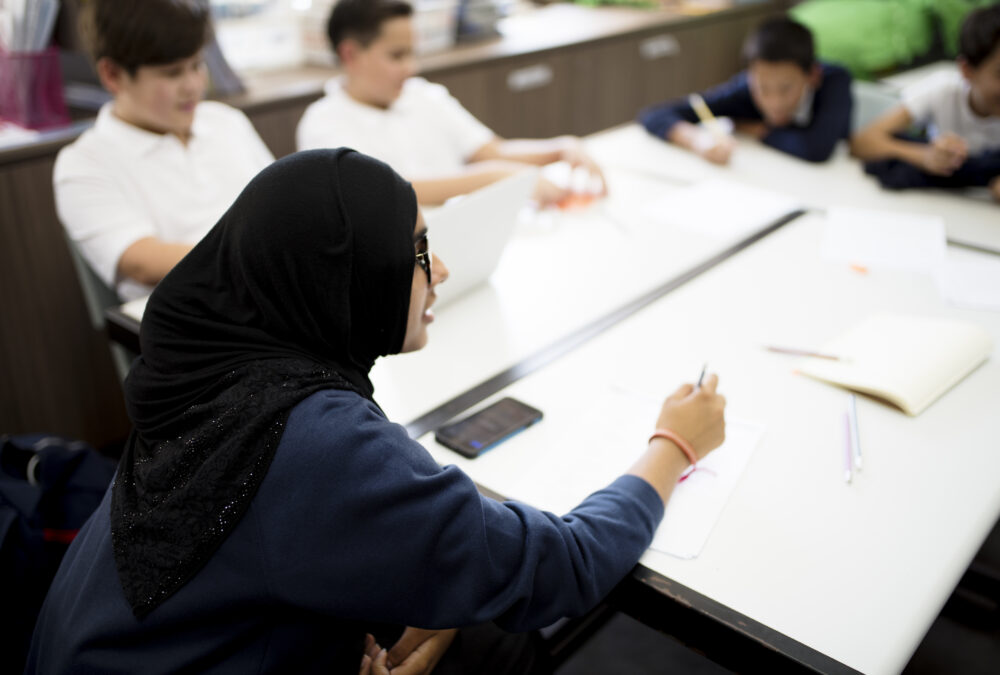
The proportion of university students who get a first or 2:1 degree is 22 percentage points lower for black students and 11 points lower for Asian students than for white students. Photograph: Caiaimage/Sam Edwards/Getty Images

Universities have been making progress on opening their doors to students from underrepresented backgrounds. But getting in is not enough – getting on is important too. Students from underrepresented groups deserve an equal opportunity to succeed in their studies and to pursue rewarding careers. This is not happening.

New data published by the Office for Students shows that black, Asian or disabled students and students from disadvantaged neighbourhoods are significantly less likely to succeed at university. The differences are stark: the proportion of students who get a first or 2:1 degree is 10 percentage points lower for students from the most disadvantaged backgrounds than for their wealthier peers, three points lower for those with a disability than for those without, and 22 and 11 points lower respectively for black and Asian students than for white students.

These disparities are mirrored in graduates’ employment prospects. The proportion of students in graduate-level employment or further study soon after the end of their degrees is four percentage points lower for students from the most disadvantaged backgrounds than for those from the least, three points lower for those with a disability than for those without, and five and two points lower for black and Asian students than for white students. These disparities persist even when entry grades and subject choice are accounted for.

The gaps exist for a number of reasons. Students’ sense of belonging is affected by the inclusivity of curricula and learning, teaching and assessment practices, the relationships between majority and minority groups of students, and the different profiles of staff and students. There are also differences in how students from different backgrounds and with different identities experience university life, engage with learning and turn to external support.

There can be practical challenges for students from lower-income backgrounds too. Many live at home rather than on campus, and some have work or caring responsibilities. These disadvantages are compounded by universities’ reticence to acknowledge and address the links between student outcomes and factors such as background, disability and race.

What is the OfS going to do about this? We plan to apply greater pressure than before for every university to reduce the outcome gaps among their students. There will be beefed-up powers, granted through recent legislation, to intervene in more nuanced ways than the previous access regulator. For instance, we will require universities charging the maximum £9,250 fee to submit clear, evidence-based plans that go beyond improving access for underrepresented groups to improving their degree outcomes.

But we can’t make this shift alone. We need stronger support for improving outcomes across the university sector. We will help universities do this by improving the data needed to target and support individual students, taking into account their particular characteristics and the circumstances of their learning. This will advance understanding of what an inclusive learning environment should look like.

There are plenty of examples of innovative schemes aimed at levelling attainment. For example, students can have a real impact as mentors and ambassadors, and as co-creators and self-regulators of their learning. Equally, tailored resources and toolkits can raise awareness among academic staff. And work experience can be transformative.

There is likewise a growing community that is bringing together professional services, academic staff and students to develop robust, sustainable approaches to tackling harassment and hate crime, and to safeguarding all students. This is the most basic condition for their success.

I do not underestimate the challenge of tackling such ingrained and long-standing issues. But this is a thorn we must grasp if we are to reduce the differential outcomes in the data published today, and give every student the life-changing opportunity they deserve.

Previous Post

What's life like for a female easyJet pilot?

Next Post

Spend more aid on early years education for a life of opportunity Sarah Brown

Comments


Related Blogs

Blog Image
Education

Scientific research transforms lives. Why is that so often forgotten?


BY Jane Ferne
Blog Image
Education

52 percent of young people in Switzerland now have university or college degrees


BY Olivia Carrick
Blog Image
Education

Tips for new business school students to help get the bigger picture


BY Vittoria Riva
Blog Image
Education

Targeted Programs Match Higher Education Graduates with Quality Jobs


BY Brian Clarke