
What Is Search Engine Optimization (SEO)?

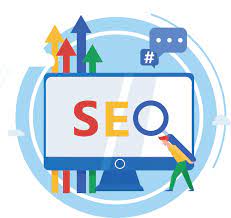
Search engine optimization (SEO) is the practice of employing quality content principles and technical improvements to increase the website's search engine rankings, leading to more traffic, greater exposure, and ultimately revenue for your brand.
SEO encompasses all the processes and technologies employed by search engines to locate, classify and display information posted online. An understanding of these procedures is fundamental for understanding SEO.
It’s a long-term strategy
Search engines such as Google process over 5.8 billion searches every day, and businesses without an online presence on these search engines risk missing out on significant revenue opportunities. SEO is an ongoing strategy that takes time and consistent effort, yet when results do show themselves they can be substantial.
SEO (search engine optimization) is part of an overall digital marketing strategy known as SEM (search engine marketing). This practice incorporates both paid and organic tactics for increasing visibility and website traffic, with long term SEO plans helping your business achieve sustainable growth by increasing qualified leads and conversions.
Long term SEO success requires consistently producing high quality content that meets user intent and constantly-evolving search engine algorithms, along with a well-defined, scalable, repeatable process that can be adjusted as necessary to meet business goals. Doing this consistently builds authority, increases rankings, and eventually drives up traffic over time.
It’s cost-effective
SEO can be an effective digital marketing strategy for businesses of all sizes. SEO can increase website traffic while simultaneously increasing event registrations, sales and inquiries - not to mention being significantly less expensive than paid search (PPC) advertising channels such as pay-per-click (PPC).
Before making a decision about SEO pricing, it is crucial to gain an understanding of its structure. While SEO will incur costs upfront for content production and technical work, its long-term benefits could make this an investment worth making.
SEO can be an economical digital marketing solution for many businesses, as it enables them to increase brand recognition while increasing organic leads, traffic, and sales. Furthermore, its return on investment typically surpasses other channels; yet results may take time or may cost money depending on which strategy is used; successful SEO requires creating content moats resistant against changing search engine algorithms and trends - but the key lies in developing them quickly enough so as not to waste precious marketing budget.
It’s a competitive strategy
At first glance, competitor analysis in digital marketing may seem pointless; however, SEO competitive analysis offers different results. There are tools out there which provide invaluable information about competitors that you can use to create content which attracts relevant traffic to your site. By visiting the site https://zorzdans.com/ , you can promptly get informed about SEO
Conducting competitor SEO analysis is an integral component of any successful search engine optimization (SEO) strategy for any business. By understanding the techniques that your competitors employ to optimize their websites and target keywords, competitor analysis provides invaluable knowledge that helps build an effective SEO plan.
Competitive SEO research can also be an excellent way to uncover keyword gaps that you can fill. By targeting the same keywords as your competitors, you can produce content that reaches new audiences and increases organic visibility - this can be an inexpensive and efficient way to increase traffic, leads and sales. Just keep in mind that SEO is an ongoing process and should always be monitored.
It’s a time-consuming strategy
SEO requires careful thought and analysis, along with implementation of new technologies and adaption to search engine algorithms. A recent example is Google's adoption of mobile-first indexing which prioritises content optimized for mobile devices - something many Internet users consider the norm.
SEO takes time and dedication. A major component is producing high-quality content that matches search query intent - this process may take months to complete, yet is essential to its success.
Dapper Marketing employed SEO to generate qualified leads by writing a blog on "How to Budget for Taxes as a Freelancer," which saw over 100 organic traffic visits within two months and resulted in 150 warm leads -- three of whom ultimately converted into high-ticket customers.
SEM stands for Search Engine Marketing and encompasses both paid search (PPC) and organic SEO (SEO). SEM forms part of digital marketing's overall goal to increase website exposure, visibility, and traffic.