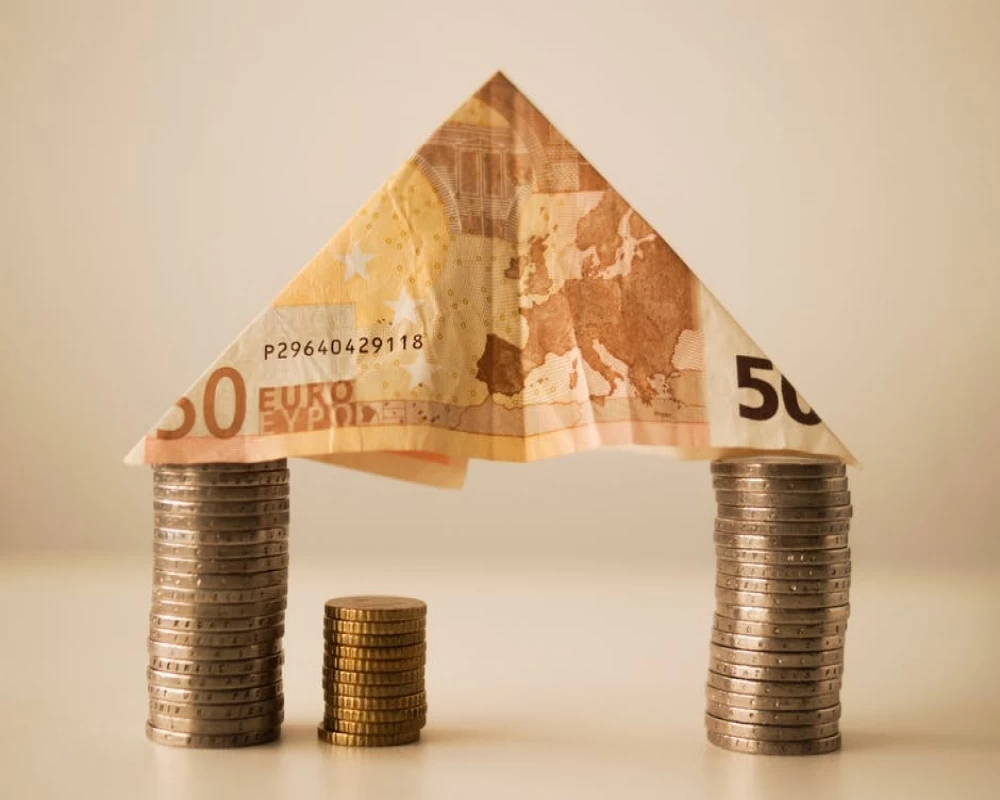
Buying Property Abroad

20230526054120_64704680b6940.webp

BUYING PROPERTY ABROAD: HOW TO CURTAIL RISK WHEN MAKING OVERSEAS PROPERTY INVESTMENTS

Many people are buying property abroad today because of the investment potential. The price of foreign property can be especially attractive when exchange rates tip the balance in favor of a prospective buyer’s currency. Imagine buying a beachfront house in Brazil for $50,000 when you’d spend $400,000 for the same house in a place like Orange County. Buying property abroad is a way to get actively involved during retirement.

If you don’t want a hands-on management, this type of investment would still generate passive income for you, an income not depending on the US dollar, denominated in another currency. There are reputable property management companies that can help you take care of your new investment and help you make consistent rental income from your investment. The fact that many Americans are not preparing adequately (or even preparing at all) for retirement means many Americans are not living out their dreams after retirement. “About 60% of Americans have no savings in retirement accounts like 401(k)s or IRAs,” reports Business Insider. The Employee Benefit Research Institute (EBRI) estimates the shortfall in retirement savings to be at $4.13 trillion for heads-of-households aged 25 to 64.

One of the reasons why many Americans lack sufficient retirement savings is that the traditional means of saving are unreliable, according to USmoneyreserve.com. If protecting your retirement is important to you, buying property abroad can help you get the ideal retirement and offer the kind of security that other asset classes cannot provide.

Moreover, there are wasteful aspects in some markets that haven't worked themselves out yet, and those inefficiencies can work further bolstering your good fortune. For example, there are some markets in the world with restricted wellsprings of capital where people need money. Without access to easy credit, they frequently offer their property at a much lower cost to have fast access to money.

Furthermore, when you spend money on overseas property you do not just get the benefit for those market inefficiencies, you additionally have the advantage that a lot of shareholders are so concerned about risk that they create no real hazard, nor create any competition. But even though overseas properties offer a chance to diversify your investment and can help you get the retirement of your dreams, there are some risks. Here are some tips to help you curtail risk when buying property abroad.


1.     Read the books.

The key to successful property investments overseas is to do your homework and not cut corners. By all accounts, read books about the country you are considering buying an international investment property and read relevant forum posts online but do not get sucked in by the sellers and never overlook the power of local knowledge. Even a simple walk around the area can give you a great insight into the events and settings that take place on a daily basis, giving you a real feel for the place.

2.     Beware of overseas investment property in "emerging markets".

This term can be used to dress up areas of neglect. Look around for signs such as closing shops and boarded up houses, as these may suggest a struggling economy. If you come across something else that you do not feel at ease with, do not go with the property investment. Foreign buyers should feel 100% safe in the area before taking the plunge. Likewise, if you look at a series of new developments that are beginning to emerge, this could be a sign that the real estate market in the area is about to take off.

3.     Do not leave yourself at the mercy of the laws of the country when buying property abroad.

Buying investment property on foreign soil requires the advice and guidance of a local lawyer. Before you sign on the dotted line, make sure you are accredited and credited as well as fluent in English and the language of the country you wish to purchase.

4.     Don’t take the risk of using cash.

Using a bank with an office abroad to conduct large transactions is always the best. Foreign investment properties and those that sell them must be approached with caution and due diligence.

It’s normal to be apprehensive when buying property abroad for the first time or trying anything new. And yes, the risks are there but to be successful in property investing, you mustn’t let that hold you back.

Next Post

Find Great Real Estate Deals

Related Posts

20230526052122_647041d211733.webp

3 Steps to Determine the Fair Market Value of Foreign Real Estate

  • 01, August 2023

You don’t want to pay excess on a property. So, it’s important to know what a home really costs on the equity scale

Real estate whether home or abroad is a substantial, long-term investment. It is therefore imperative that you research various countries and neighborhoods before choosing one to invest in because economists agree that there is an opportunity cost to investing in a particular property.

Your research should include the existence of changing political and economic scenarios, as these would have profound impact on the housing market, especially influencing central bank rates and lending policies.

Factors Affecting Market Value of Foreign Real Estate

Location is critical. Apart from the real estate conditions existent in the country, you don't want a place with high crime rate and bad transport system. But looking ahead, you have to examine the profitability of your investment. Home appraisers looking at homes consider features like property age, lot size, internal square footage, number of bedrooms and bathrooms, amenities and overall condition. Hence the first step in determining your home's market value is taking an appraiser’s glasses and looking at the home objectively, writing down the principal features of your home.

How to Determine Market Value of Foreign Real Estate

Valuing a home is not an exact science but here are some things you can do to make a ‘scientific’ guess on the fair market value of a property abroad.

1. Check out comps.

Find four or five comparable homes in the area that have sold within the past six months. A local agent should be able to help you with that data. Your research on comparable homes (comps) will give you a good indication of what your intended property might be worth. Comparable homes should be roughly the same size, construction, age and style with the same number of rooms, layout and other features. You want to identify the prices at which these properties sold and how fast they left the market.

2. Calculate the rate per square foot.

For each of your comps, divide the selling price by the square footage of the property. This gives you a price per square foot or PPSF. Find the average value of these homes by adding the PPSF figures and dividing by the number of comps you are using. For example, suppose it has the following compositions:

Property A is 2,000 square feet and sells for $ 420,000. The PPSF is $ 210.

Property B is 2,200 square feet and sells for $ 480,000. The PPSF is $ 218.

Property C is 1,900 square feet and sells for $ 390,000. The PPSF is $ 205.

Property D is 2,000 square feet and sells for $ 475,000. The PPSF is $ 237.

The average price per square foot is $ 217. Multiply this figure by the number of square feet of your home to get a rough idea of ??the market value of your home.

3. Consider the special qualities of your home.

While the PPSF gives a benchmark, it does not take into account the unique features that could raise or lower the value of your home. Improvements like a new bathroom, kitchen or siding tend to add value; On the contrary, it is likely that a home in poor condition will have a lower value than a well-maintained property. There is usually a wide variety of prices per square foot based on these factors. Ultimately, you have to decide if your home is worth more or less than the average PPSF in your neighborhood.


By Bebuzee Admin Read More
20250426153525_680cfd3dbc7b7.webp

The Rise of PropTech in Real Estate

  • 26, April 2025

In recent years, the real estate sector has undergone an unprecedented transformation thanks to the integration of technology. This phenomenon, known as PropTech (Property Technology), is revolutionizing the way we buy, sell, rent, and manage properties. Digital innovation is redefining every aspect of the real estate market, offering both new opportunities and challenges for professionals and investors alike.

What is PropTech?

The term PropTech refers to the use of technology to improve or reinvent real estate services and processes. It covers a wide range of solutions, including digital platforms for property sales and rentals, asset management software, virtual tours, blockchain-based contracts, and even investments in virtual real estate in the metaverse.

PropTech startups are growing rapidly, offering tools that make the market more transparent, efficient, and accessible. Technologies like artificial intelligence, big data, and the Internet of Things (IoT) are turning real estate decisions into more analytical and data-driven processes.

Impact on the Real Estate Market

One of the most visible changes is the automation of processes. Buying or renting a property — once slow and complicated — can now be handled almost entirely online. Clients can explore properties through 3D virtual tours, sign contracts digitally, and receive assistance from smart chatbots.

Property management is also evolving: software allows owners to monitor maintenance, rental payments, and property performance in real time. Meanwhile, real estate crowdfunding platforms are democratizing investment, allowing a wider audience to access real estate opportunities.

Challenges of PropTech

Despite the vast opportunities, PropTech also presents several challenges. Data protection and cybersecurity are major concerns, given the large volume of sensitive information handled by digital platforms. Additionally, the rapid pace of technological innovation requires continuous adaptation by real estate agents, developers, and investors, who must update their skills to stay competitive.

Another issue is accessibility: not all segments of the population have equal access to digital technologies, which can deepen social and economic divides.

The Future of PropTech

PropTech is no longer just an emerging trend; it is becoming a fundamental part of the real estate industry. In the coming years, we can expect deeper integration with advanced technologies like machine learning, augmented reality, and blockchain, making the market even more dynamic and customer-focused.

Those who embrace change and invest in digital transformation will gain a significant competitive advantage. Meanwhile, those who cling to traditional models risk falling behind in an increasingly fast-paced and demanding market

20230526053215_6470445f0b88c.webp

5 Fears Limiting You from Real Estate Investing

  • 11, May 2023

Just like any investment where speculations are involved, there is risk with real estate investing. Investors who have gotten their fingers bit have fed us the ‘negative stories’ and have helped create many fears. Yes, there are risks, and they can make for a pretty bad fall if you don’t prepare for them. But there are also fears. Here we’ll explore five basic fears stopping you from making that real estate investing decision.

I also hope to expound on these fears to help you see that you can get past them. The best way to overcome fear is embrace it and do that which you fear. So, no matter what we say, the decision to take the plunge still lies in your hands. Will you create long-term prosperity with your real estate investment or let fear hold you back?

1.     Negative Cash Flow.

Cash flow is what remains when the operating expenses, the mortgage costs and other expenses have been deducted. The fear of negative cash flow, mostly fed by investors who have been there and done that, has held many people back. However, it is just about making the right calculations. You don’t expect to be 100% accurate about the possibility of vacancies or how much rental income you could make in a month but you can obtain past rental figures from the previous landlord, estimate possible repair expenses and still get your numbers close a notch.


2.     Right Timing.

You’ve always heard ‘you’ve got to time the market’. The problem with that is this: you might never find the right time. If you’re afraid that the market might just not be ripe for real estate investing, I say that’s FEAR. As long as you can comfortably buy a property without putting any strain on your family’s budget and the country in which you’re investing isn’t in a pothole, go right on. The time is right.


3.     Chasing the positive cash flows.

Some real estate agents who have tried and fumbled will tell you that you can’t cash flow positively on duplexes, condos, office complexes etc. With discouraging tales of despair, you catch the FEAR. This is actually an opportunity to learn from their mistakes. They failed because they went in with the wrong PLANS. Learn, attend seminars, buy DVDs and EBooks and develop a fail-proof strategy and you’ll get the positive cash flows.


4.     The hassles of management.

Chasing renters for each month’s rent and dolling out money on property repairs are all reasons to run far from real estate investing. What if you had a troublesome tenant giving you problems? The hassles could keep you awake at night. You however do not need to go through the stress of managing your property yourself. You can hire professional property managers or management companies to do the job and do it well.


5.     Lack of experience.

Yes, you do lack experience. All the seminars and courses do not make up for firsthand experience. So, if you lack the experience, why not work with a realtor who is a local expert and leverage their experience. (Check out the importance of a local realtor).


In conclusion, it’s not certain that investing in real estate will make you an overnight millionaire but if you do your homework and work with the right people, you’ll do just fine.

By Bebuzee Admin Read More