12 Tips for Beautiful Fall Landscape Photography
-
 Loading...
 - Citra Wati
- 14 Oct 2022
- 67 Views
- 0 Like
- 0 Comment
As an experienced fall landscape photographer, I’ve spent plenty of time in search of those elusive fall photos. I’ve made lots of mistakes, but I’ve also had a lot of success, and in this article, I aim to show you how it’s done.
Specifically, I share 12 practical tips for creating beautiful fall landscape photography. I’ll cover:
· The perfect lens choice to emphasize patterns in foliage
· The best fall landscape settings for gorgeous results
· My favorite type of autumn landscape light
· Much more!
So if you’re ready to head out into the field and start taking some jaw-dropping shots of your own, then let’s dive right in, starting with:
1. Check the fall foliage forecast
The best fall landscape photos tend to be captured when the colors are at their peak; that way, blazing reds, smoldering oranges, and sunny yellows can be incorporated into image compositions.
Unfortunately, peak colors rarely last for more than a week or two. If you don’t time your outings carefully, you may arrive on location only to find that the trees have not yet changed – or worse, that you’ve missed all the action.
That’s where fall foliage forecasts come in handy. Simply do a quick Google search for “fall foliage predictor in [location],” then see what you can find. Chances are a foliage forecast exists for your area (and if it doesn’t, a forecast probably exists for an area nearby).

Remember, however: The more specific the foliage forecast, the better. Fall color timing can be dramatically different as you change your elevation or latitude; you don’t want to use foliage predictions for New York City to determine the fall colors in London!
One more tip: If you’re busy during peak foliage times, it’s often still worth scheduling a trip. Sure, it’s harder to get gorgeous shots when the fall foliage is patchy, but it’s not impossible. If the fall colors have come and gone, try to convey a sense of the impending winter by capturing a few lone leaves on a tree. And if you’re out shooting a week or two before peak colors, use the few brightly colored trees as focal points in an otherwise green forest.
2. Head out when the weather is bad
Most landscape photography is done during the golden and blue hours, when you have relatively good weather and beautiful ethereal light (maybe complemented by a few clouds).
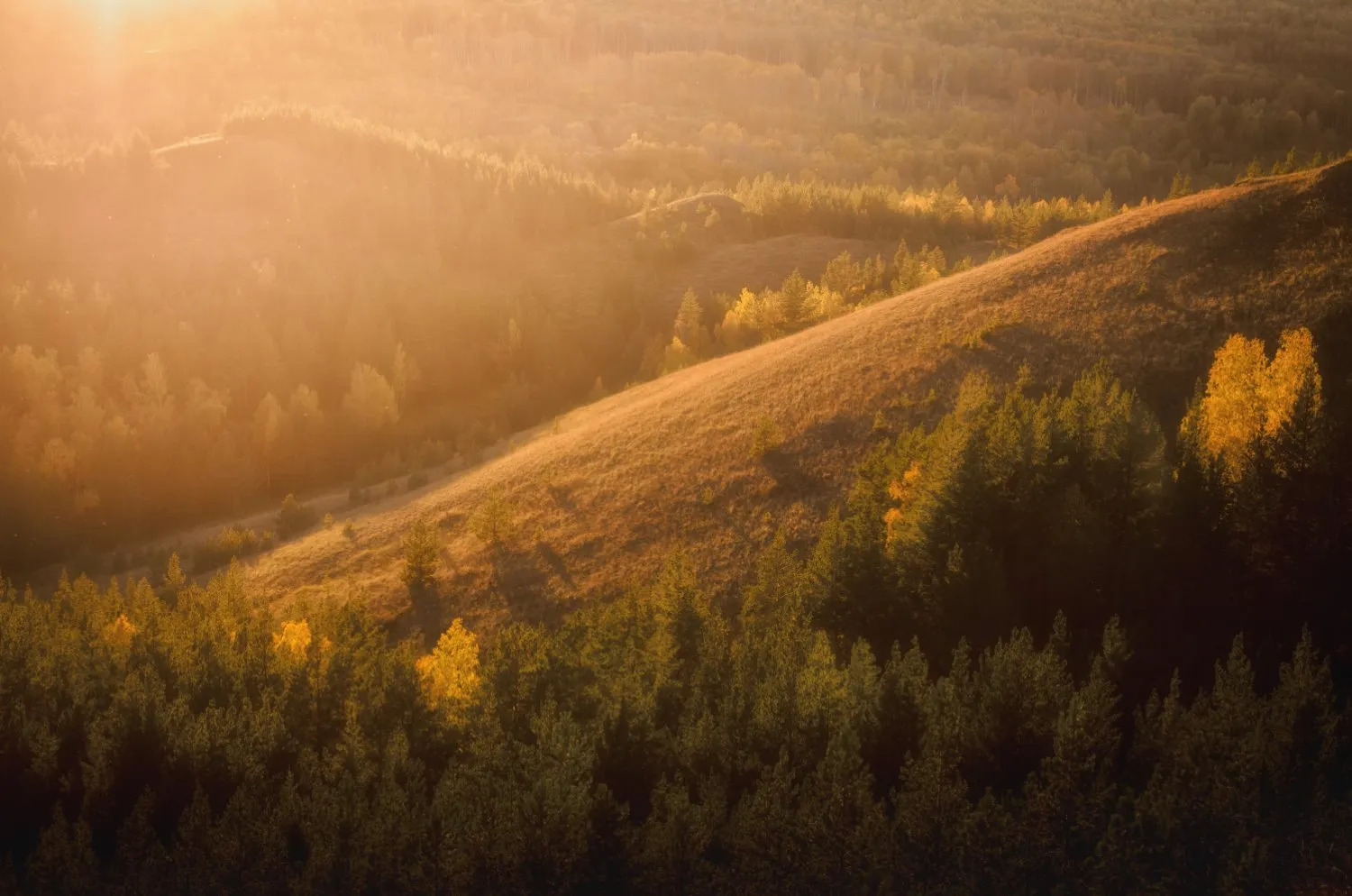
But autumn landscape photography is a whole different ball game. You can capture nice shots illuminated by stunning golden hour light, but you can often create the moodiest, most autumn-esque shots if you shoot when the sky is blanketed by thick clouds. The overcast light will add a sense of loneliness, it will help bring out subject detail, and (major bonus!) it’ll enhance the fall colors.

If you shoot on overcast days and you like the results, consider taking your moody landscape photography a step further. Take your camera out on rainy days or – if you’re lucky enough to get them in the autumn – snowy days. Just make sure you bring adequate protection for your gear. I recommend a simple rain sleeve, which you can grab off Amazon. Though if you’re in a pinch, you can always use a trash bag plus some rubber bands.
Bottom line: Rain and snow combined with fall colors look amazing. While the shooting process can be a bit uncomfortable, it’ll all be worth it in the end. Read More…