20 Tips For Beginner Surfers
-
 Loading...
 - Pascale Messi
- 22 Aug 2022
- 100 Views
- 0 Like
- 0 Comment
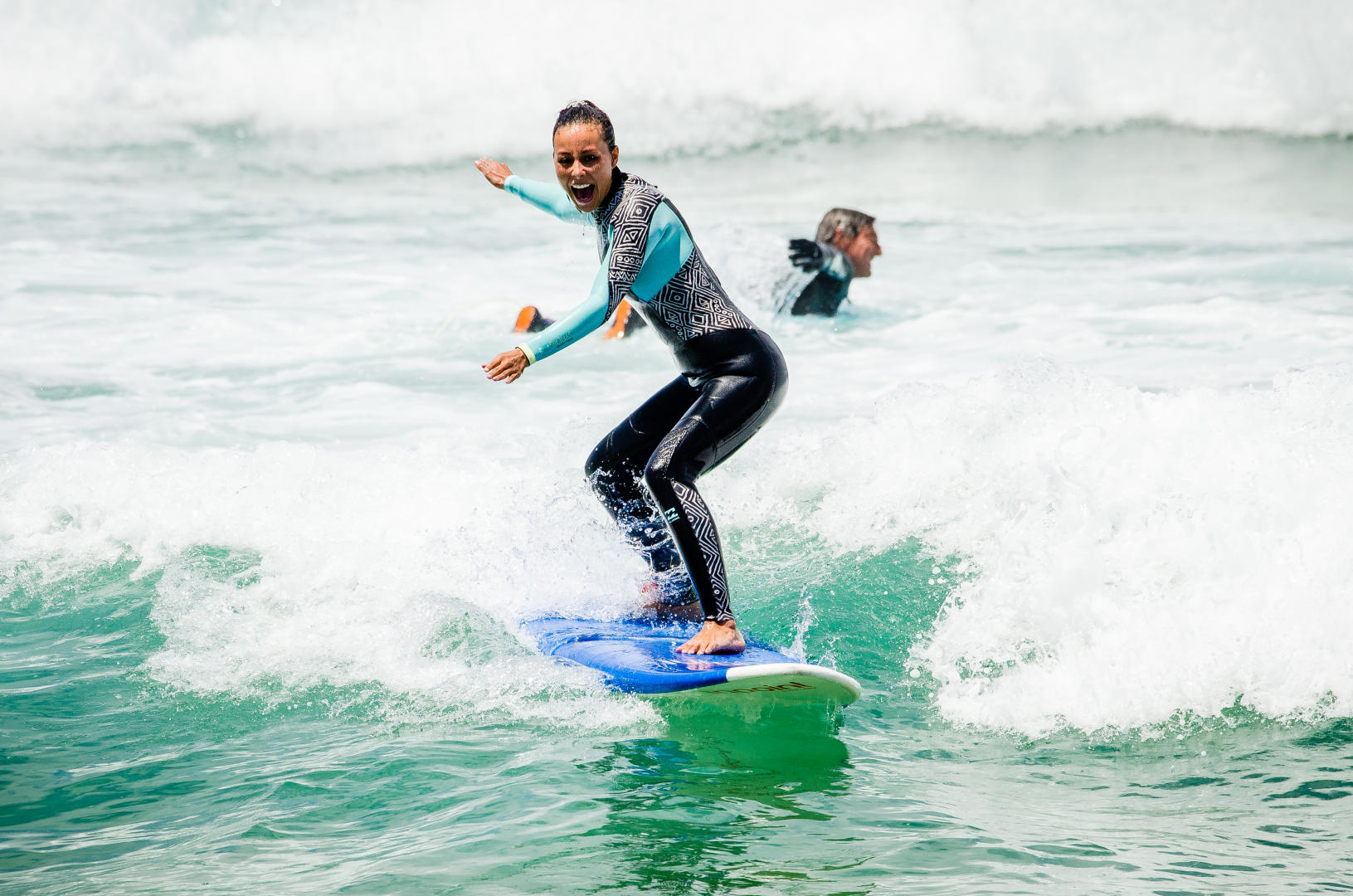
Want to learn surfing or just learned how and want a confidence boost? 20 Tips to get out there and have fun in the ocean!
How To Learn Surfing
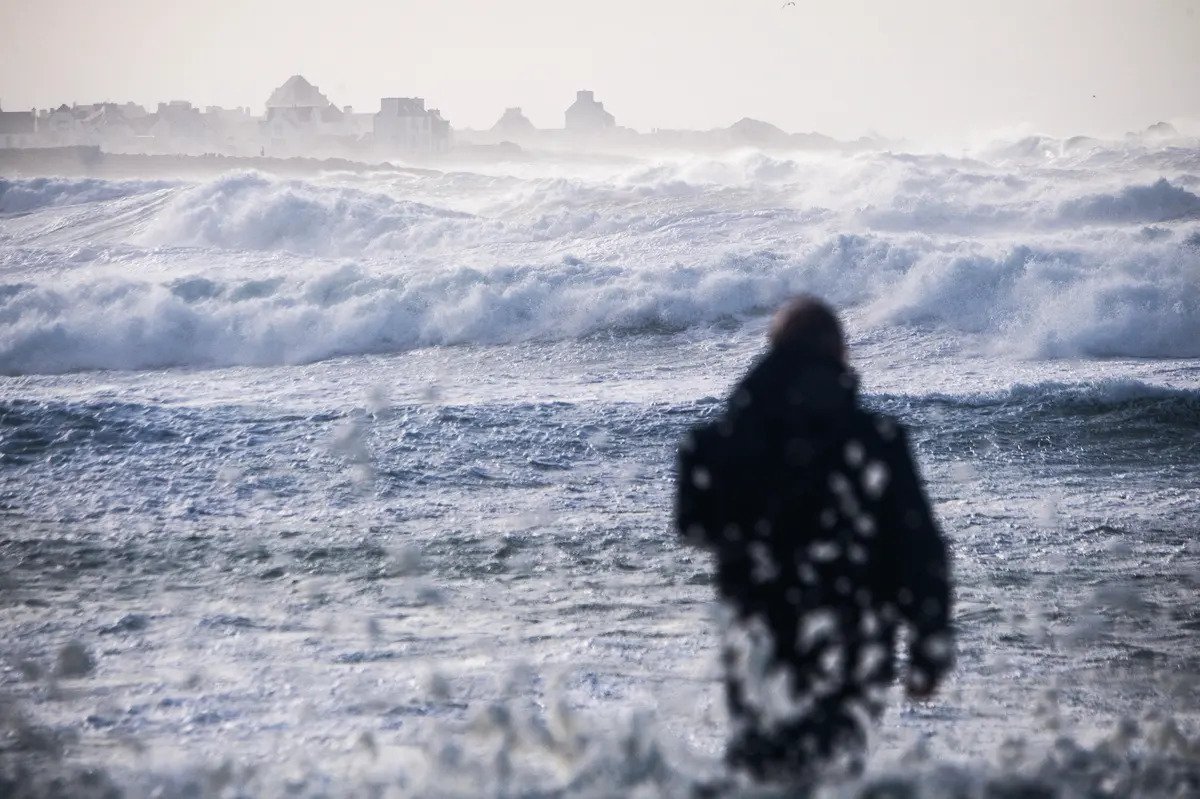
You are going to be surfing at some stage when teaching yourself and being a quite athletic and driven person. But it is so much better to learn surfing through a surf school or surf camp because the ocean is stronger than you. It is super important to know how to read it to avoid accidents.
There are currents that take you out into the deep blue, waves that are not surfable - even if you think they are - and there are certain rules when interacting with local surfers in the ocean. Secondly and most importantly surfing is about community. Learning to surf with an instructor and other beginner surfers is so much more fun than struggling by yourself trying to remember all the YouTube videos that made it seem so easy.
Here are some tips to make you feel confident in the ocean once you are by yourself!
1) Find Surf Equipment That Suits You
Finding equipment is unlike finding other sports equipment, where you can walk into the shop and get whatever intrigues you and matches your style. Of course, you can go and buy some of your surf gear like wetsuits, booties, hoodies, gloves and wax.
But when it comes to your surfboard and related gear, it’s crucial to get something that suits you and your abilities. Therefore, everyone has a different need in board size and volume of the board. Related gear like fins, leash and the protective bag needs to match the board. It is super important to test different boards before you buy equipment. Only with the right gear, you will catch as many waves as possible resulting in progress. Usually, you learn on a 7’6 or 8’0-footboard.
The boards used for beginners in surf schools and camps are made of a foam-like material, so you don’t have to be afraid to injure yourself or others. Lapoint gives you the unique opportunity to try a lot of different boards while learning to surf with us. This is an amazing opportunity not many surfers get – especially when starting out.
A lot of surfers find their preferred style of surfing after a while. Some like to be fast, some like to cruise, and others like the more elegant way of surfing called longboarding. Nevertheless, it is great to start with a board with lots of volume suiting your weight, height and strength to make you float on the surface of the water.
This also makes paddling into waves easier and excuses little mistakes when standing up on your board.
2) Finding A Beginner-Friendly Spot That Isn’t Crowded
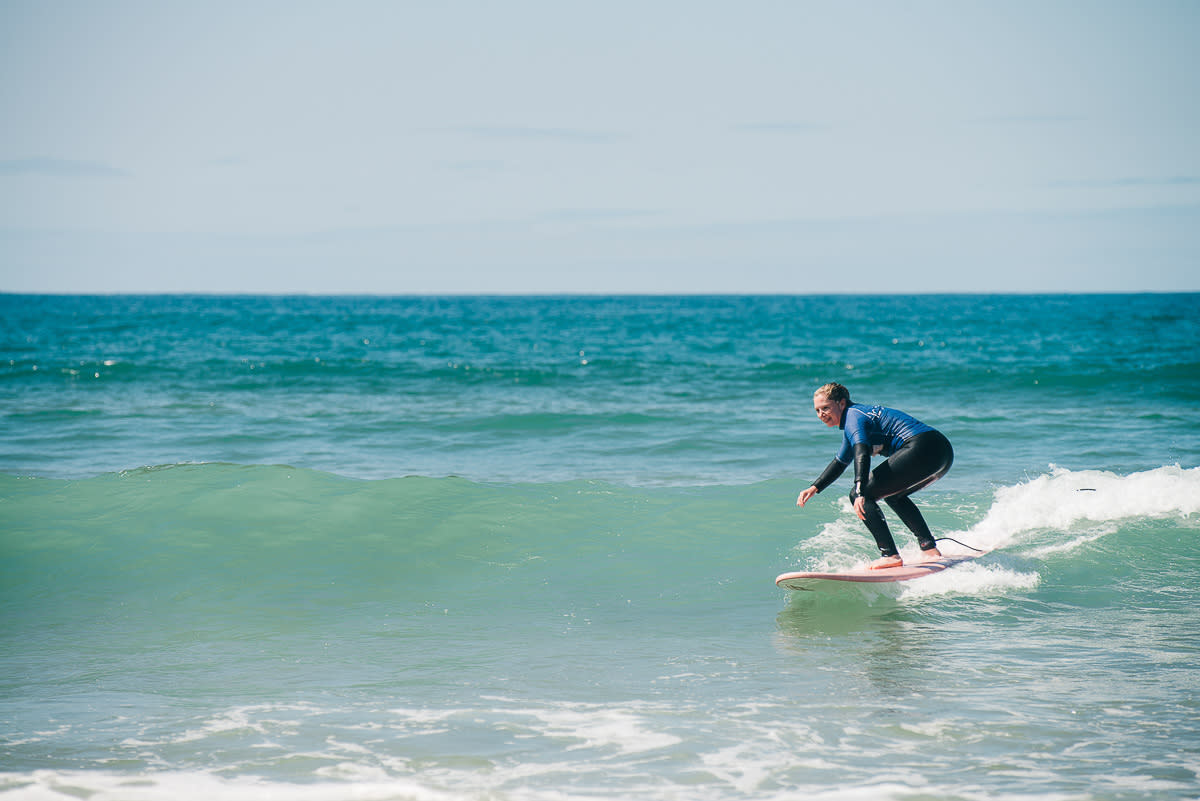
Every beach is unique. Every coastline is tilted at a slightly different angle. Every ocean floor is covered by a differently formed reef and sandbanks at beach breaks are changing every day. Some spots have barreling waves, while others are a little more sheltered. Therefore, it is good to find a beach that is beginner-friendly.
The ideal is small but powerful waves or waves breaking further out and rolling in as whitewash. Beaches with low currents are also good to look out for because you will have less of a struggle to stay at the same place in the water. There are apps and websites you will find this information on (e.g.: windy, magic seaweed and others). You can also look at local surf guides.
3) Check The Tides
As you probably remember from geography class, there is high tides and low tides in the ocean. These are affected by the moon. We as surfers can use the tides because waves break over parts of the ocean floor further away from the shore at low tide and further on the shore at high tide.
Try and ask around if the sport you are intending to surf is easier or better to surf on low or high tide. For example, it could be less distance to paddle out on a spot at high tide or waves could break nicer and longer at low tide. Read More...