The 10 Golden Rules of Safe Scuba Diving
-
 Loading...
 - Florent Ateba
- 24 Aug 2022
- 89 Views
- 0 Like
- 0 Comment
Because of the fact that we are a school for scuba diving, a question we are frequently asked by customers at our dive shop is ‘how can divers ensure they are as safe as possible?’ It’s not an unknown fact that this pursuit does contain some inherent risks – consequently, here are our top ten scuba diving safety rules for ensuring you stay as absolutely safe as possible. These rules for safe scuba diving and general advice should be followed at all times while you are diving.
How Dangerous is Scuba?

Just because an awareness of safety is required for scuba diving, this certainly does not mean that it’s ‘unsafe’. As long as you remain alert at all times and conscious of the fact that you are entering an environment which is not natural for humans to be in – as well as carefully adhering to the following tips for safe diving – then we’re more than confident that you won’t experience any problems. Make a careful mental note of these safety rules for diving and keep them in the forefront of your mind when enjoying this most thrilling of pursuits.
There is no doubt that if you’re as avid a scuba diver as me then you will have been told at least one horror story over the years, but the following safety rules for diving are designed to ensure that there is minimal risk of your experience becoming comparably problematic. Good training in – and practice of – these rules for scuba diving mean you’ll be able to enjoy the sport we all adore with minimal risk. Thus, here are our top ten golden rules for safe scuba diving – if you follow these scuba diving safety rules you need have no serious worries when exploring the wondrous underwater landscapes of our planet.
1. Never hold your breath.
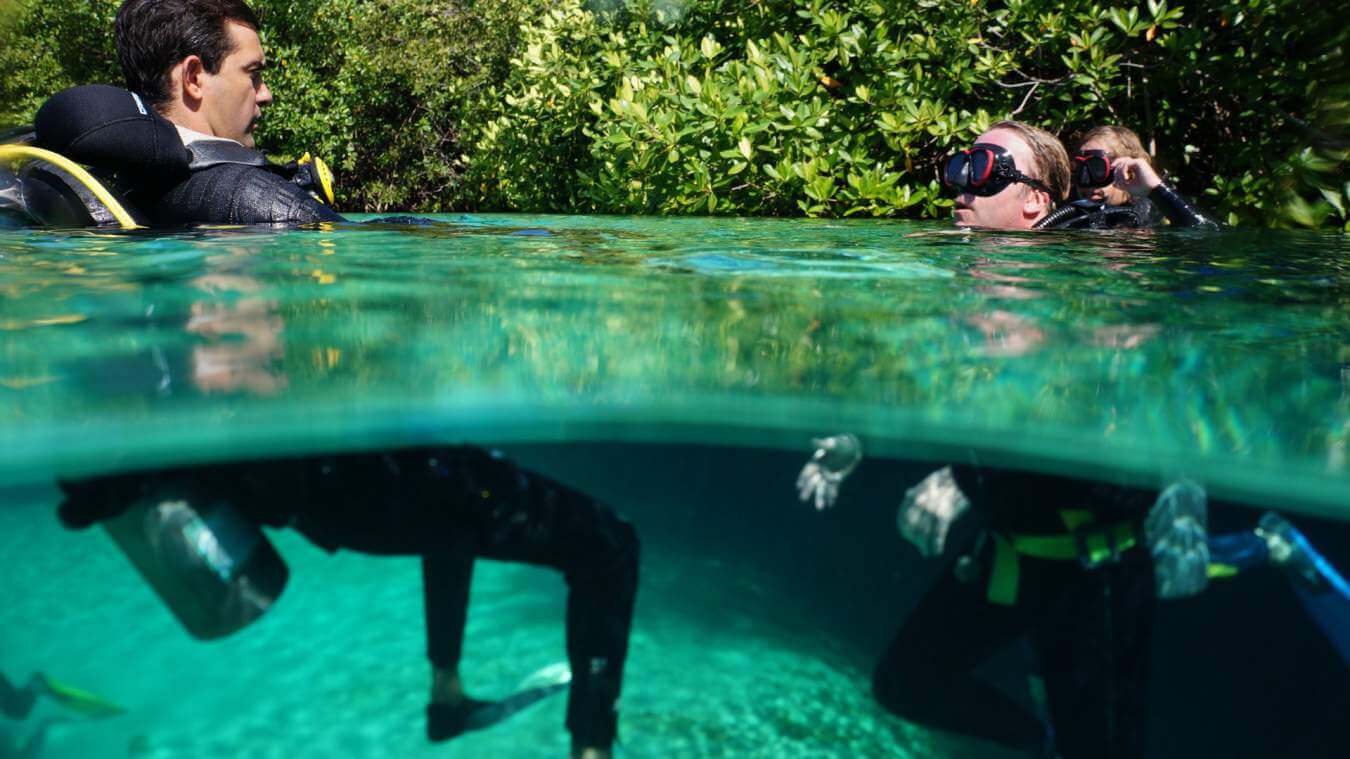
This is undoubtedly by far the most crucial of all safety rules for diving because failure to adhere could result in fatality. If you hold your breath underwater at the depths at which scuba divers reach then the fluctuating pressure of air in your lungs can rupture the lung walls. This is called pulmonary barotrauma – in the most extreme cases, this can result in air bubbles escaping into the chest cavity and then the bloodstream. Air bubbles in the bloodstream can then result in arterial gas embolism, which in many cases can prove fatal. There’s no problem breathing slowly and gently, just ensure that you maintain a regular and consistent rhythm.
2. Plan your dive and find out about the current conditions.

Every dive site is unique and conditions such as weather and current can vary significantly meaning that even the most experienced divers must ensure they thoroughly do their research before even thinking about entering the water and diving to the kind of depths we’re discussing. This really is one of the top tips for safe diving because of the possible variations in so many parameters, so one must always make sure that you find out about current conditions on the morning of the day you plan to dive.
3. Verify the safety of your equipment the night before.

Pre-dive equipment safety checks are another absolute necessary if you’re to ensure you’re as absolutely safe as possible – 15% of the diving fatalities in 2016 were caused by equipment malfunctions that could have been avoided had the divers checked their scuba diving kit more rigorously before entering the water. Be sure to inflate and deflate your BCD; make sure you’re more than familiar with your emergency release belt and that you have the necessary weights with you; check your air tank is completely full and take some breaths through your regulator to ensure it’s functioning at full capacity; check all of your gear is correctly tightened and strapped, and always complete a final double-check of every facet of your kit. It’s no exaggeration to say that your life could depend on the rigour of this careful examination, so always, always make sure you’re as thorough as possible.
4. Ascend slowly and safely.
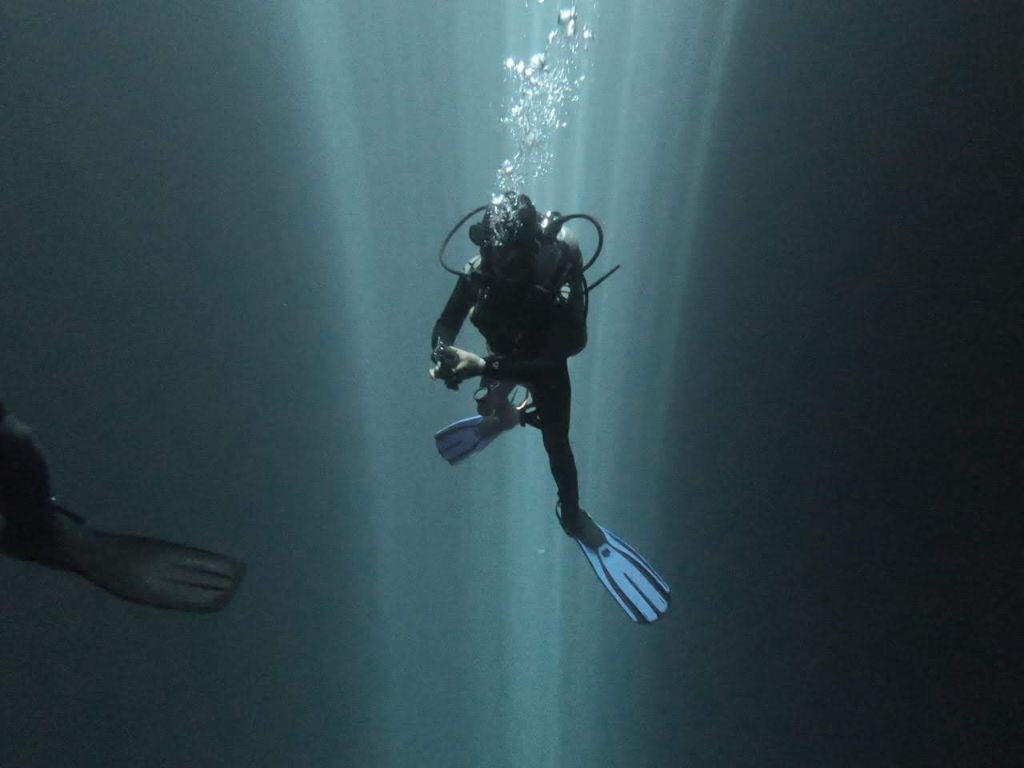
The key to safe ascent is your safety stops. This is completely essential if someone is accending safely, because if your ascent rate is too speedy then the pressure increases as you get nearer and nearer to the surface means that the nitrogen which has been absorbed by your bloodstream when you’re diving at depths haven’t been dissolved, consequently, the bubbles that form on the bloodstream can result in decompression sickness. Prevention is simple – just ensure that you ascend at a rate of no more than 18 meters/60 ft per minute and ensure your safety stop for three minutes unless a lack of air or the ocean’s conditions negates the possibility of doing so. Read More...