4 articles you need to check out on the future of behavioral neuroscience
-
 Loading...
 - Soh Bessala
- 05 Oct 2022
- 63 Views
- 0 Like
- 0 Comment
How mice and rats help study depression
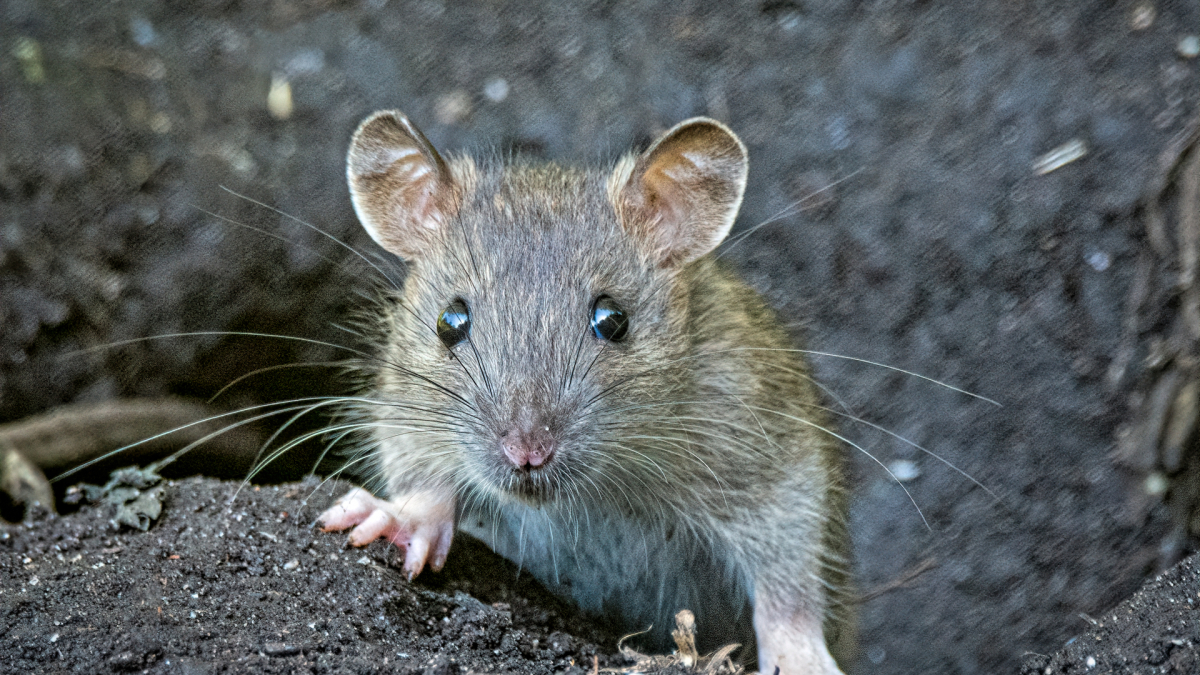
Mice and rats are key model animals that help us understand how depression works and how to treat it. A huge number of people around the world live with this devastating disorder, but its causes and symptoms are so varied that it is hard to test new treatments and to reproduce experiments to prove those treatments work. Scientists writing in Frontiers in Behavioral Neuroscience reviewed the evidence for rodent models of depression and found that models imitating social stress or a disrupted early life have had some success.
Meanwhile, models with behavioral stressors designed to induce helplessness are easily compared to other labs’ work but aren’t complex enough to model depression. A key element of depression is anhedonia, struggling to enjoy life, but this is extremely difficult to model in nonhuman animals. The most popular options available test preference for sweet tastes.
The team concluded that the best option is to provide mice with a more naturalistic setting to live in, with more space to socialize and to follow their own inclinations. This helps avoid experimenter influence and allows spontaneous behavior from the mice to be monitored and interpreted, and creates a more effective mimic of depressive behavior when the setting is manipulated. These settings are more expensive and harder to reproduce across labs, but they offer an important ray of hope for scientists trying to develop new treatments for depression. Read More...