5 Films That Will Help You Better Understand Estonia
-
 Loading...
 - Casper Dekker
- 14 Apr 2025
- 26 Views
- 0 Like
- 0 Comment
Estonia's cinematic history reflects its unique cultural and historical context, particularly during the Soviet era. The following five films offer insights into Estonian society, folklore, and the artistic spirit that has emerged from this Baltic nation.
The Children of the Sun ("Päikese lapsed") - 1932
Often regarded as the first Estonian sound film, "Päikese lapsed" features a star-studded cast from the 1930s Estonian bohemia. Despite its initial failure at the box office due to a melodramatic script, the film provides a glimpse into the cultural landscape of pre-war Estonia. It captures the essence of a bygone era, showcasing the struggles of a young artist torn between love and societal expectations, all set against a backdrop of jazz and dance.
Naughty Curves ("Vallatud kurvid") - 1959
This biker film became a box office hit and was notable for its escapist themes during a time of strict Soviet censorship. "Vallatud kurvid" follows the romantic entanglements of a female racer, Vaike, as she navigates her feelings for two men. The film's light-hearted plot and American-style romantic comedy elements provide a contrast to the prevailing Soviet cinematic norms, making it a significant cultural artifact of its time.
Dead Mountaineer's Hotel ("Hukkunud Alpinisti hotell") - 1979
A groundbreaking film in Estonian cinema, "Dead Mountaineer's Hotel" blends elements of horror and mystery, showcasing a unique narrative style that diverged from typical Soviet films. The story revolves around a police inspector investigating a murder in a remote hotel, filled with eerie atmospheres and unexpected twists. Its innovative cinematography and soundtrack have earned it a lasting place in the annals of European cinema, making it a must-watch for understanding Estonia's artistic evolution.
Georgica - 1998
This existential drama set on a deserted island explores themes of isolation and the human condition. The film follows an old man and a mute boy as they navigate life amidst military exercises. "Georgica" blurs the lines between reality and metaphor, creating a surreal atmosphere that reflects the complexities of existence. Its exploration of memory, trauma, and the passage of time offers profound insights into the human experience, particularly in the context of Estonia's historical struggles.
November - 2017
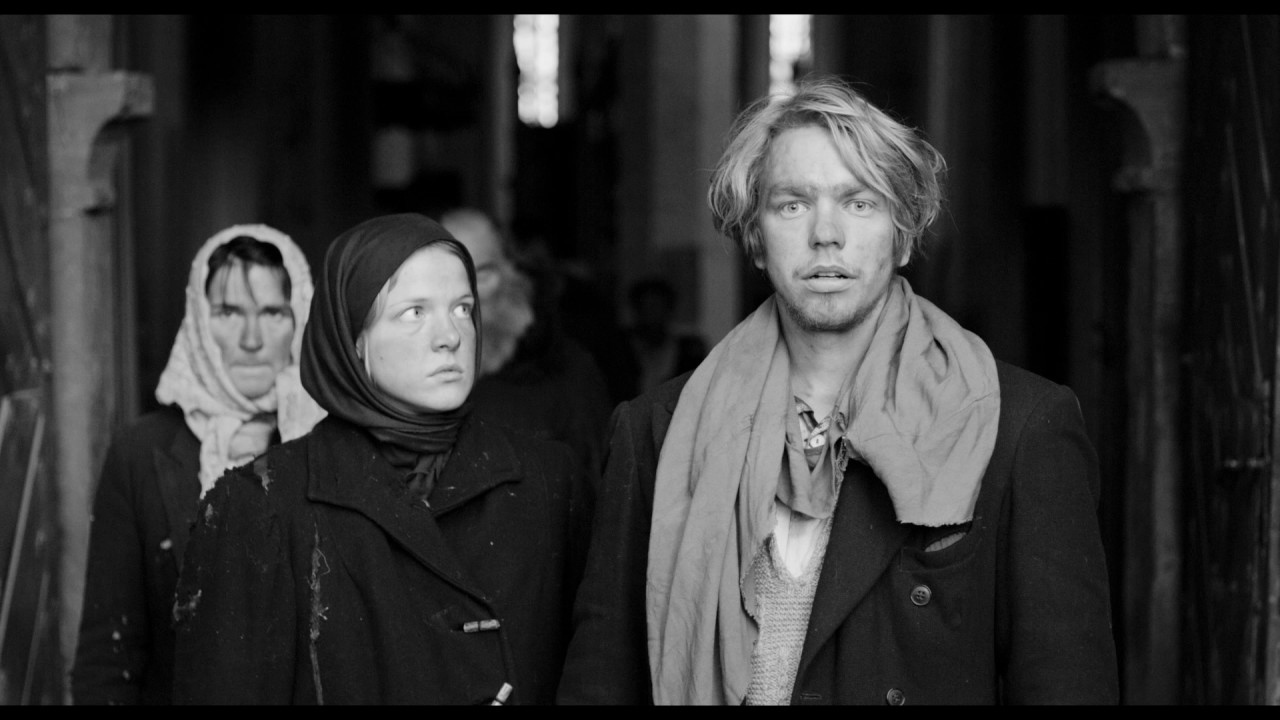
Based on the novel by Andrus Kivirähk, "November" is a visually stunning film that intertwines Estonian folklore with magical realism. Set in a poverty-stricken village at the end of the 19th century, it tells the story of love, death, and the supernatural. The film's rich imagery and intricate character development highlight the depth of Estonian culture and mythology, making it a contemporary classic that resonates with both local and international audiences.
These films not only showcase the evolution of Estonian cinema but also provide a window into the country's cultural identity, historical challenges, and artistic expressions. Each film offers a unique perspective, making them essential viewing for anyone looking to understand Estonia better.