Movie Review: Little Boys on the Run: Beyond the Wasteland
-
 Loading...
 - Anna Dorko
- 09 Apr 2025
- 23 Views
- 0 Like
- 0 Comment
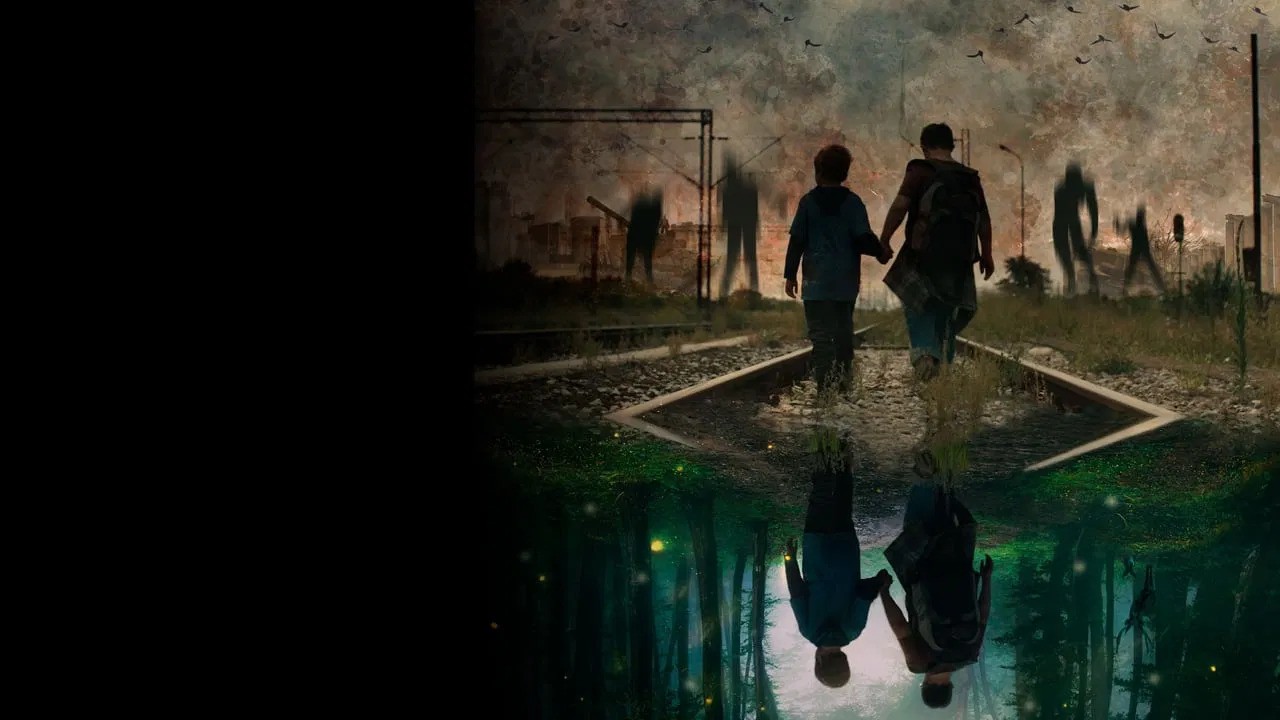
Beyond the Wasteland, also known as M in its European release, is a survivalist thriller set in the desolate landscapes of Macedonia, where a young boy and his father live off the grid, hidden from what they perceive as an evil outside world. Directed by Vardan Tozija, the film presents a haunting exploration of paranoia, survival, and the complexities of human relationships in a post-apocalyptic setting.
The story centers around Marko (Matej Sivakov), a nine-year-old boy who is raised in isolation by his father (Sasko Kocev). Their life is a blend of hunting, foraging, and living in a dilapidated Cold War-era bunker, which serves as both a refuge and a prison. The father, with a glint of madness in his eyes, instills a sense of fear and control over Marko, teaching him survival skills while simultaneously limiting his understanding of the world. The boy finds solace in a battered picture book, imagining himself as “The Leaf Child,” a symbol of innocence amidst chaos.
The film's atmosphere is thick with tension, as the father’s paranoia manifests in his obsession with preparing Marko for a violent world. He listens to political rants on a crackling shortwave radio, drinks heavily, and keeps handcuffs at the ready, hinting at a volatile temperament. This dynamic sets the stage for a narrative that explores the darker aspects of human nature and the impact of fear on familial bonds.
However, Beyond the Wasteland ultimately falls into the trap of being a conventional “After the Zombie Apocalypse” thriller. While it attempts to weave in allegorical elements about humanity’s capacity for dehumanization and the dangers of anti-immigrant rhetoric, the execution feels predictable and formulaic. The film’s plot unfolds in a manner that is all too familiar to fans of the genre, echoing themes and story beats that have been explored in countless other zombie narratives.
As Marko begins to question his father's worldview, he encounters Miko (Aleksandar Nichovski), a special needs child, and his mother (Kamka Tocinovski). This friendship offers a glimpse of hope and normalcy, but Marko’s fear of his father prevents him from fully embracing this connection. The film hints at the potential for understanding and compassion in a world filled with fear, yet the heavy-handed allegory detracts from its impact.
Despite its shortcomings, Beyond the Wasteland is visually striking, with a grim aesthetic that complements its themes. The performances, particularly that of the young lead, are commendable, adding depth to the otherwise conventional narrative. However, the film struggles to escape the weight of its genre conventions, leaving viewers with a sense of déjà vu rather than a fresh perspective on the apocalypse.
In conclusion, while Beyond the Wasteland offers a glimpse into the psychological complexities of survival and the impact of fear on relationships, it ultimately succumbs to the clichés of the zombie genre. For those seeking a new take on post-apocalyptic storytelling, this film may feel like a retread of familiar territory, lacking the ambition to rise above its predecessors.