5 Types of Beautiful Traditional Chinese Clothing for Females

Chinese traditional clothing for women is known for its elegance, intricate designs, and cultural significance. Here are five types of beautiful traditional Chinese clothing for females that have stood the test of time:
1. Hanfu
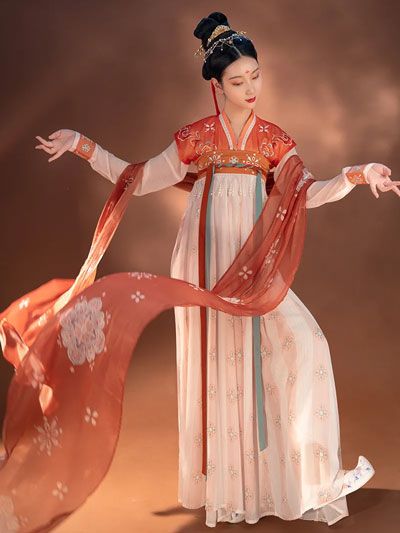
Hanfu is one of the oldest traditional Chinese garments, originating over 4,000 years ago. It was worn by the Han Chinese and remains a symbol of Chinese heritage and culture.
Characteristics
i. Design: Hanfu typically consists of a long robe with wide sleeves, a crossed collar, and a sash or belt to secure the garment. It may also include an inner shirt and a pleated skirt.
ii. Materials: Made from luxurious fabrics like silk and brocade, often featuring elaborate embroidery.
iii. Styles: There are various styles of Hanfu depending on the dynasty and occasion, such as the Ruqun, a two-piece outfit with a top and skirt, and the Shenyi, a one-piece robe.
Occasions
Hanfu is worn during traditional festivals, weddings, cultural events, and increasingly in daily life by those who wish to connect with their heritage.
2. Cheongsam (Qipao)

The cheongsam, or qipao, became popular in Shanghai in the early 20th century. It is a blend of traditional Chinese design with Western fashion influences.
Characteristics
i. Design: A form-fitting dress with a high collar, side slits, and often sleeveless or with cap sleeves. It features intricate designs and embroidery.
ii. Materials: Commonly made from silk, satin, or brocade, providing a sleek and elegant appearance.
iii. Variations: Modern versions of the cheongsam may include different sleeve lengths, collar styles, and fabric patterns.
Occasions
The cheongsam is worn at formal events, weddings, and celebrations, symbolizing grace and modernity.
3. Tang Suit
Despite its name, the Tang suit originated in the Qing Dynasty and is a traditional Chinese jacket worn by both men and women.
Characteristics
i. Design: Features a mandarin collar, frog buttons, and often intricate embroidery, usually with auspicious symbols like dragons and phoenixes.
ii. Materials: Made from silk or brocade, giving it a luxurious feel.
iii. Styles: The women's Tang suit can be worn with skirts or pants and may vary in length and fit.
Occasions
Tang suits are typically worn during Chinese New Year, weddings, and other celebrations, representing prosperity and good fortune.
4. Miao Ethnic Minority Clothing
The Miao ethnic minority, one of China's many ethnic groups, has a rich tradition of distinctive clothing known for its vibrant colors and detailed embroidery.
Characteristics
i. Design: Miao clothing for women includes intricately embroidered blouses, pleated skirts, and elaborate silver jewelry.
ii. Materials: Made from brightly colored fabrics, often adorned with silver ornaments and embroidery.
iii. Styles: Different subgroups within the Miao community have unique styles and patterns, each with its own cultural significance.
Occasions
Miao clothing is worn during festivals, weddings, and other important cultural events, showcasing the group's rich heritage and craftsmanship.
5. Traditional Chinese Wedding Dress

Traditional Chinese wedding dresses are elaborate and imbued with cultural symbolism, reflecting the deep significance of marriage in Chinese culture.
Characteristics
i. Design: Typically red, symbolizing luck and prosperity, with intricate gold or silver embroidery depicting dragons, phoenixes, and peonies.
ii. Components: Includes a long robe, an embroidered skirt, and sometimes a traditional headpiece and veil.
iii. Styles: Different regions in China have their own unique styles of wedding dresses, such as the Qun Kwa (裙褂) from southern China, featuring a two-piece jacket and skirt.
Occasions
These dresses are exclusively worn during wedding ceremonies and related celebrations, representing unity, happiness, and the continuation of family lineage.
Traditional Chinese clothing for women encompasses a wide range of styles, each with its own unique beauty and cultural significance. From the ancient elegance of Hanfu to the modern grace of the cheongsam, these garments continue to captivate and inspire. Whether worn during special occasions or as a connection to cultural heritage, these outfits celebrate the rich history and artistry of Chinese fashion.