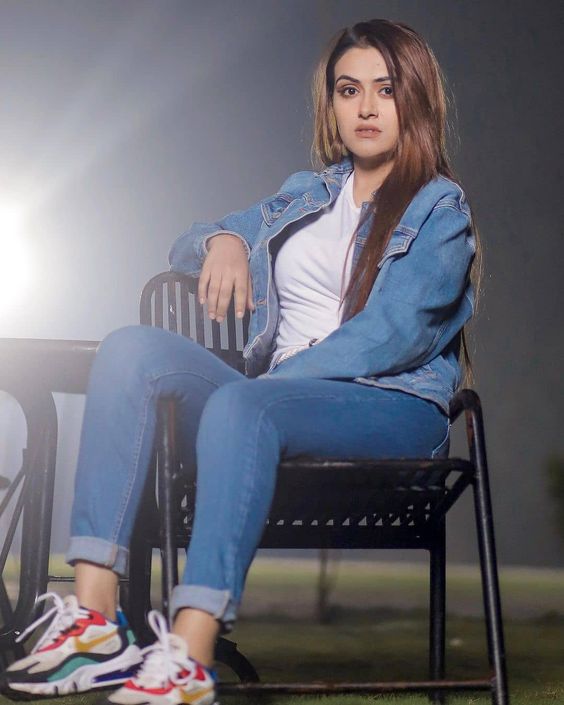
6 Best-Proven Portrait Tips for Photography
-
 Loading...
 - Abad Analyn
- 06 Jun 2023
- 63 Views
- 0 Like
- 0 Comment
Are you a photography enthusiast looking to enhance your portrait photography skills? Whether you're a beginner or a seasoned photographer, capturing stunning portraits requires a combination of technical knowledge and artistic flair. In this article, we will explore the 6 Best-Proven Portrait Tips for Photography that will help you elevate your portrait game and create captivating images.
1. Mastering Lighting Techniques
Lighting plays a crucial role in portrait photography, as it can dramatically impact the mood and overall quality of your images. To achieve the best results, it's essential to understand and master different lighting techniques. Here are a few tips to consider:
a. Understanding Natural Light
Natural light is one of the most flattering light sources for portraits. Take advantage of the golden hour, the period shortly after sunrise or before sunset, when the light is soft and warm. Position your subject facing the light source for a pleasing and naturally lit portrait.
b. Utilizing Artificial Lighting
In situations where natural light is limited or unavailable, artificial lighting becomes essential. Experiment with various lighting setups, such as using a single softbox or diffusing light with umbrellas, to achieve desired effects. Remember to position the lights strategically to minimize harsh shadows and create a flattering look.
2. Choosing the Right Location
The choice of location can significantly influence the overall impact of your portrait photographs. Whether shooting indoors or outdoors, consider the following factors:
a. Outdoor Locations
When shooting outdoors, select locations that complement the theme or personality of your subject. Scenic spots, urban landscapes, or even simple natural settings can provide a visually appealing backdrop. Additionally, keep an eye on the lighting conditions and how they interact with the environment to create a harmonious composition.
b. Indoor Settings
Indoor locations offer more control over lighting conditions. A well-lit studio provides a blank canvas for your creativity, allowing you to manipulate light and experiment with different setups. Alternatively, you can utilize existing indoor spaces like cafes, libraries, or even the subject's own home to add character and context to your portraits.
3. Posing and Composition Techniques
Posing and composition are essential aspects of portrait photography that can significantly enhance the impact of your images. Here are some tips to consider:
a. Communicate with Your Subject
Establishing a connection and rapport with your subject is crucial for capturing authentic and emotive portraits. Engage in conversation, provide guidance, and make them feel comfortable. This will result in natural expressions and relaxed poses.
b. Utilize the Rule of Thirds
The rule of thirds is a popular compositional guideline that can add balance and interest to your portraits. Imagine dividing your frame into nine equal parts using two horizontal and two vertical lines. Positioning your subject at the intersections or along these lines can create a visually appealing composition.
c. Explore Different Angles
Experiment with various camera angles to add variety and uniqueness to your portraits. Try shooting from a low angle to emphasize the subject's stature or opt for a high angle for a more intimate perspective. Don't be afraid to get creative and capture shots from unconventional angles to add an artistic touch to your images.
4. Understanding Depth of Field
Controlling the depth of field in your portraits allows you to direct the viewer's attention and create a sense of depth. Here's how you can utilize this technique effectively:
a. Wide Aperture for Shallow Depth of Field
Using a wide aperture (small f-number) such as f/1.8 or f/2.8 can create a shallow depth of field, resulting in a blurred background that isolates the subject. This technique is especially useful when you want to emphasize the subject and create a dreamy, ethereal atmosphere.
b. Narrow Aperture for Deep Depth of Field
In certain situations, you may want to capture more details in the background while keeping the subject in focus. To achieve this, use a narrow aperture (large f-number) like f/8 or f/11. This technique works well for environmental portraits where the surroundings contribute to the story.
5. Utilizing Props and Accessories
Integrating props and accessories can add interest and personality to your portraits. Consider the following tips:
a. Meaningful Props
Choose props that are meaningful and relevant to the subject or the concept of the portrait. Whether it's a musical instrument, a cherished possession, or an item related to their hobbies or profession, incorporating props can add depth and character to the image.
b. Accessories for Style and Visual Appeal
Accessories such as hats, scarves, sunglasses, or jewelry can enhance the overall style and visual appeal of your portraits. Encourage your subjects to bring their favorite accessories or provide a selection for them to choose from.
6. Post-Processing Techniques
Post-processing is the final step in creating stunning portrait photographs. Here are a few techniques to consider:
a. Enhancing Colors and Tones
Adjusting colors and tones can significantly impact the mood and atmosphere of your portraits. Experiment with contrast, saturation, and color grading techniques to achieve the desired look and feel.
b. Retouching and Skin Smoothing
Portrait retouching involves removing blemishes, reducing skin imperfections, and enhancing facial features. Use professional software like Adobe Photoshop or Lightroom to refine your images while maintaining a natural appearance. Remember to strike a balance between retouching and preserving the subject's unique characteristics.
FAQs
Q1: What camera gear is best for portrait photography?
A1: While having high-quality gear can certainly enhance your results, it's not the sole determinant of great portraits. Choose a camera and lens combination that suits your style and budget. Generally, a camera with manual controls, interchangeable lenses, and a fast lens with a wide aperture will provide greater flexibility in capturing stunning portraits.
Q2: How can I make my subjects feel comfortable during a photoshoot?
A2: Building a comfortable environment is crucial for capturing natural and authentic portraits. Engage in conversation, show genuine interest in your subjects, and provide clear instructions and feedback. Encourage them to relax and be themselves, as this will reflect in their expressions and body language.
Q3: What is the best time of day to capture outdoor portraits?
A3: The golden hour, which occurs shortly after sunrise or before sunset, is widely considered the best time for outdoor portrait photography. The soft and warm light during this time creates a flattering glow and adds a touch of magic to your images.
Q4: How can I create a professional-looking background for indoor portraits?
A4: To achieve a professional-looking background indoors, you can use seamless paper backdrops, fabric drapes, or portable backdrop systems. These options offer versatility and can be easily set up and customized to suit your vision.