Event Photography Tips: Capturing Memorable Moments with Style and Precision
-
 Loading...
 - Nicole Davis
- 05 Jun 2023
- 55 Views
- 0 Like
- 0 Comment
Looking to enhance your event photography skills? Check out these essential Event Photography Tips to capture stunning and unforgettable moments. From equipment recommendations to composition techniques, this comprehensive guide will help you elevate your photography game. Don't miss out!
Event photography is an art that requires a unique blend of technical skills, creativity, and an eye for detail. Whether you're capturing a wedding, birthday party, or corporate event, the goal is to immortalize those special moments in a way that leaves a lasting impression. In this article, we will delve into valuable Event Photography Tips to help you hone your skills and capture stunning photographs that truly stand out. So, grab your camera, and let's dive in!
1. Invest in Quality Equipment
When it comes to event photography, having the right gear is crucial. A reliable DSLR or mirrorless camera with interchangeable lenses will allow you to adapt to various shooting conditions. Opt for lenses with a wide aperture to capture sharp images in low-light situations, and consider using a telephoto lens for candid shots from a distance.
2. Know Your Venue
Familiarize yourself with the event venue beforehand to understand the lighting conditions, available spaces, and potential shooting angles. This knowledge will help you plan ahead and make informed decisions about equipment, settings, and compositions.
3. Shoot in RAW Format
To have maximum control over your images during post-processing, shoot in RAW format rather than JPEG. RAW files preserve more detail and allow for greater flexibility when adjusting exposure, white balance, and other settings. This ensures that you can deliver the best possible final product to your clients.
4. Master Manual Mode
While automatic shooting modes can be convenient, mastering manual mode gives you complete control over your camera settings. Adjusting aperture, shutter speed, and ISO allows you to capture the desired mood and freeze or blur motion as needed.

5. Use Available Light
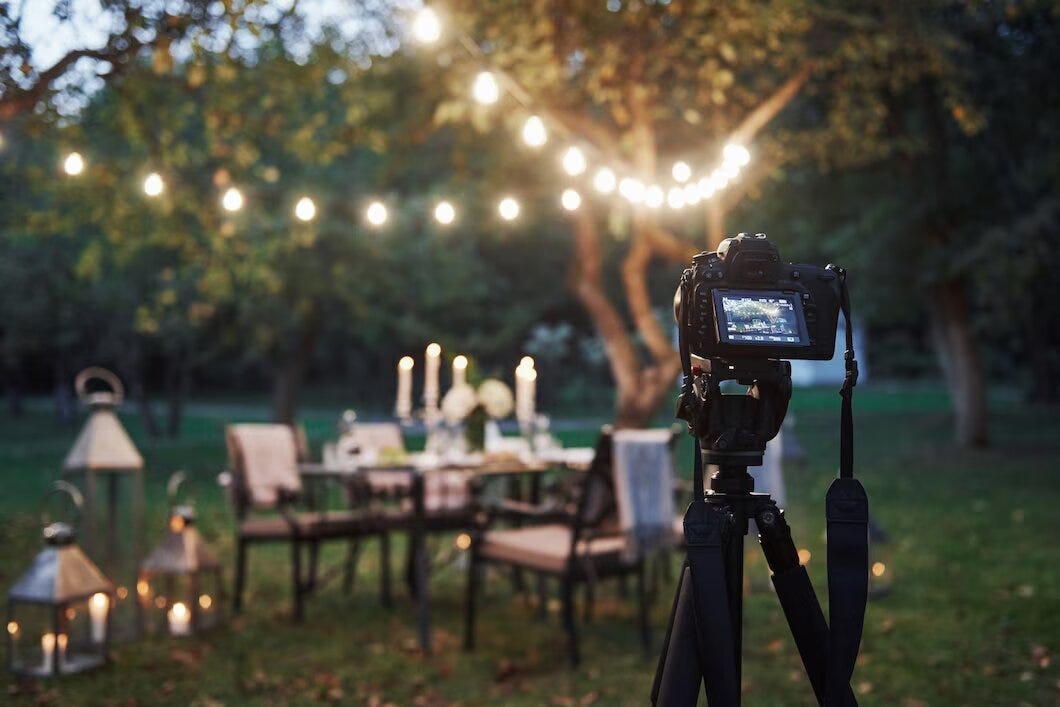
Natural and ambient lighting can add a unique atmosphere to event photos. When possible, leverage existing light sources rather than relying solely on flash photography. Experiment with different angles and positions to achieve captivating results.
6. Anticipate the Action
To capture the most compelling moments, anticipate and be ready for action. Whether it's a bride's smile, a child blowing out birthday candles, or a speaker's enthusiastic gesture, being prepared and quick on the shutter button will ensure you don't miss the shot.
7. Pay Attention to Composition
Composition plays a vital role in creating visually pleasing images. Apply the rule of thirds, leading lines, and framing techniques to add depth and interest to your photos. Experiment with different perspectives and angles to find the most captivating compositions.
8. Capture Candid Moments
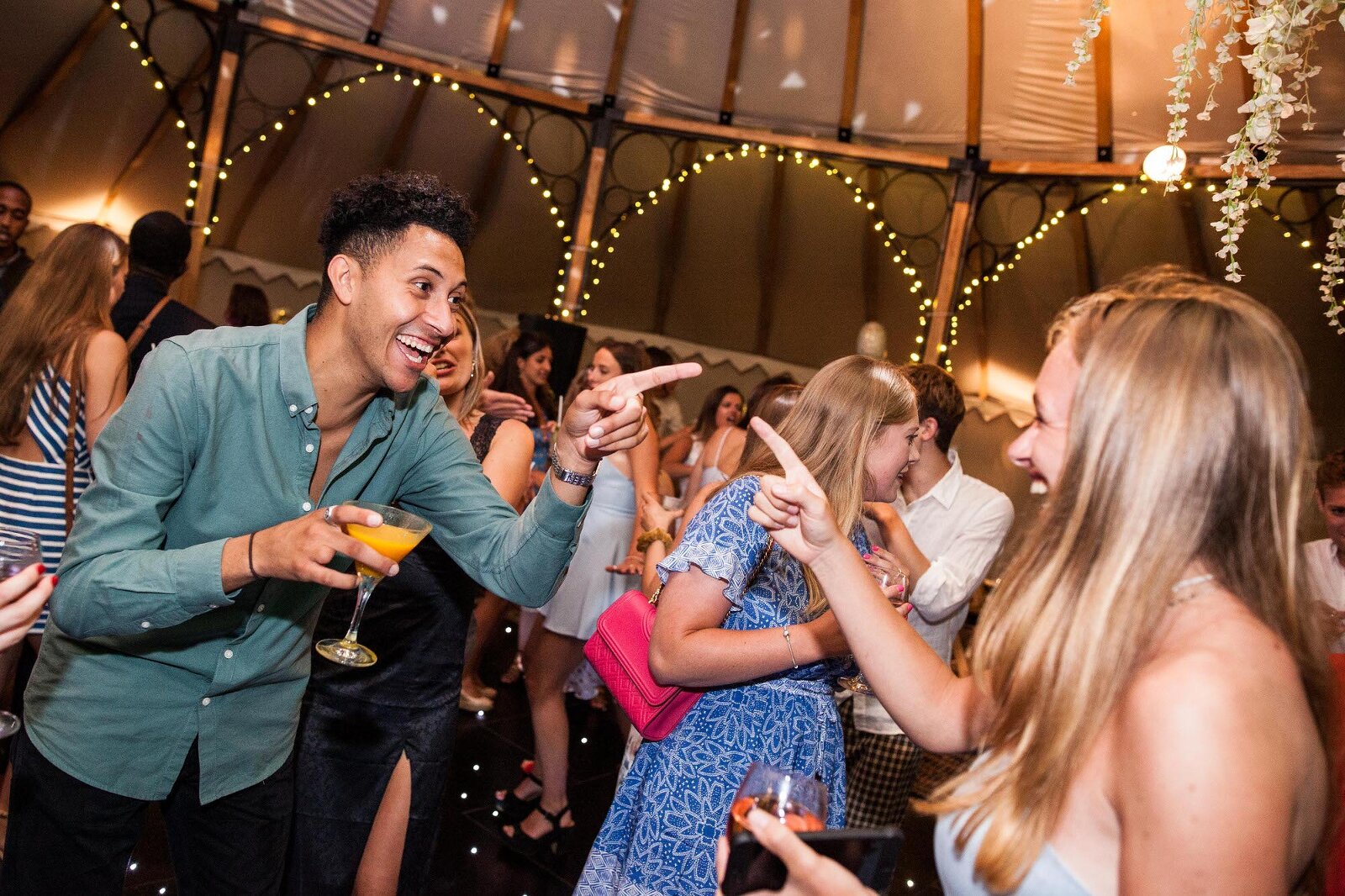
Candid shots often evoke genuine emotions and tell a powerful story. Be discreet and blend into the event, capturing spontaneous interactions and expressions that reflect the true essence of the occasion.

9. Interact with Your Subjects
Establishing a rapport with your subjects can make a significant difference in the outcome of your event photography. Make people feel comfortable, engage in conversations, and provide direction when necessary. This will help you capture more natural and authentic moments.
10. Don't Overlook Details
While capturing the overall atmosphere is essential, paying attention to the smaller details can add depth and richness to your event photos. Capture close-up shots of decor, food, and other unique elements that contribute to the event's ambiance.

11. Manage Group Photos
Group photos are a common part of event photography. To ensure everyone is visible and in focus, use a smaller aperture for a wider depth of field. Arrange the group with shorter individuals in the front and taller individuals in the back, ensuring everyone is well-lit.
12. Create a Shot List
Preparing a shot list ahead of time helps you stay organized and ensures you don't miss any crucial moments or requested photos. Collaborate with your clients or event organizers to understand their specific requirements and incorporate them into your plan.
13. Utilize Continuous Shooting Mode
Events can involve fast-paced action, making continuous shooting mode invaluable. By capturing a burst of images, you increase the chances of getting that perfect shot amidst a flurry of movement.
14. Capture Emotions
Events are filled with emotional moments, be it tears of joy, laughter, or surprise. Focus on capturing genuine emotions, as they create powerful and memorable photographs that will resonate with your clients for years to come.
15. Edit with Care
Post-processing is an essential part of event photography. Use editing software like Adobe Lightroom or Capture One to enhance your images subtly. Adjust exposure, color balance, and contrast to achieve a polished look while maintaining a natural feel.
16. Back Up Your Photos
Events are one-time occurrences, and losing your images due to equipment failure or data corruption can be devastating. Regularly back up your photos to multiple storage devices to ensure their safety. Consider using cloud storage or external hard drives for added protection.
17. Be Mindful of Backgrounds
Pay attention to the backgrounds in your photos to avoid distractions or unwanted elements. Look for clean, uncluttered backgrounds that complement the subject and help them stand out.
18. Experiment with Slow Sync Flash
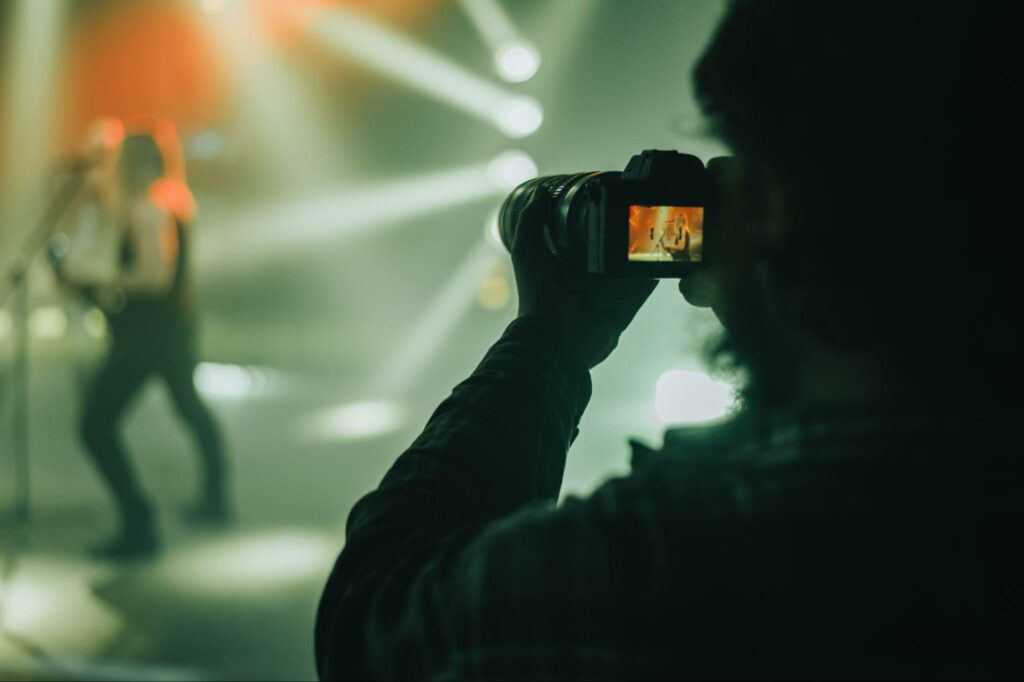
When working in low-light environments, consider using slow sync flash. This technique combines a slow shutter speed with a burst of flash, allowing you to capture both the ambient light and a well-lit subject. This can create stunning and dynamic images.
19. Stay Prepared with Spare Batteries and Memory Cards
Running out of battery power or storage space during an event is a photographer's nightmare. Always carry extra fully charged batteries and multiple memory cards to ensure you can continue shooting without interruptions.
20. Get Creative with Angles
Don't be afraid to experiment with unconventional angles and perspectives. Capture shots from high above or down at ground level to add visual interest and uniqueness to your event photography.
21. Use Props and Accessories
Incorporating props or accessories related to the event can add a fun and personalized touch to your photographs. This can enhance the overall theme and help create a cohesive story.
22. Emphasize Client Satisfaction
At the heart of event photography is delivering images that meet or exceed your clients' expectations. Communicate clearly, provide updates, and strive to understand their vision. Going the extra mile to ensure client satisfaction will not only earn you repeat business but also foster positive word-of-mouth referrals.
FAQs
Q: How can I capture candid moments without being intrusive?
A: To capture candid moments discreetly, use a longer lens, position yourself inconspicuously, and refrain from using flash when possible. Blend into the event, observe your surroundings, and be patient to capture authentic moments naturally.
Q: How can I manage difficult lighting conditions at indoor events?
A: Difficult lighting conditions can be challenging, but there are a few techniques to overcome them. Utilize bounce flash or off-camera flash for a softer and more natural-looking light. Adjust your camera settings to compensate for low light, and consider using a tripod to stabilize your shots.
Q: How can I differentiate myself as an event photographer?
A: To stand out as an event photographer, develop your unique style and approach. Focus on capturing genuine emotions, master your technical skills, and deliver high-quality images promptly. Additionally, building strong relationships with clients through exceptional communication and service can set you apart.
Q: What are the essential shots to capture at a wedding?
A: While the shot list may vary based on the couple's preferences, there are some key moments to prioritize. These include the bride's arrival, the exchange of vows, the first kiss, the first dance, and cutting the cake. Additionally, capturing candid moments of the couple and their loved ones is crucial for telling the story of the day.
Q: How can I improve my composition skills in event photography?
A: Improving your composition skills takes practice and experimentation. Study composition principles such as the rule of thirds, leading lines, and symmetry. Analyze the work of experienced photographers, attend workshops or online courses, and actively seek feedback to refine your compositions.
Q: What is the ideal lens for event photography?
A: The ideal lens for event photography depends on the specific event and shooting conditions. However, a versatile zoom lens like a 24-70mm or a 70-200mm is often recommended. These lenses provide flexibility in capturing wide-angle shots as well as zooming in for close-ups.
In conclusion, Event photography requires a combination of technical expertise, artistic vision, and interpersonal skills. By implementing these Event Photography Tips, you'll be well on your way to capturing breathtaking images that preserve the essence and emotions of any event. Remember to adapt these tips to suit the specific requirements and style of each event you photograph. Now, grab your camera and get ready to create stunning memories that will be cherished for years to come.