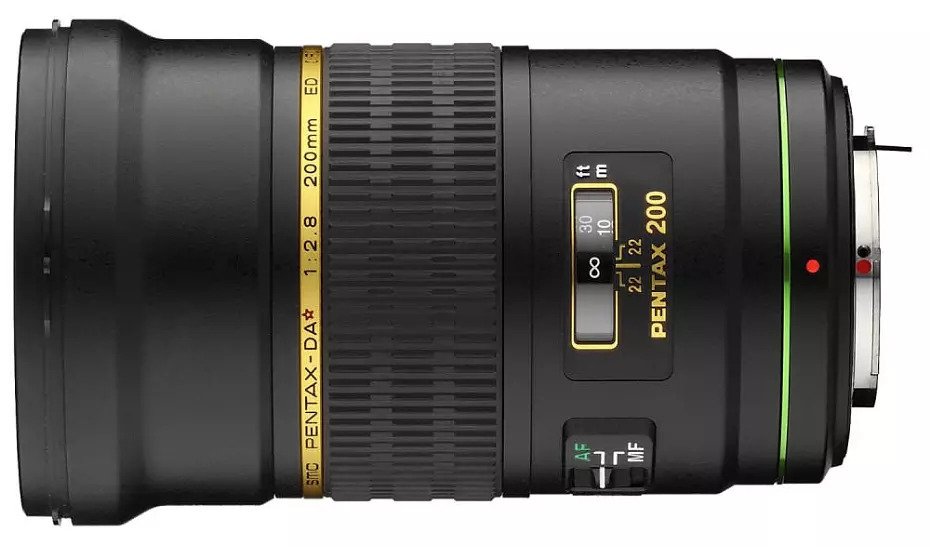
7 Top Reasons Why You Should Use Longer Lenses When Taking Photos
-
 Loading...
 - Finn Meijer
- 05 Jun 2023
- 57 Views
- 0 Like
- 0 Comment
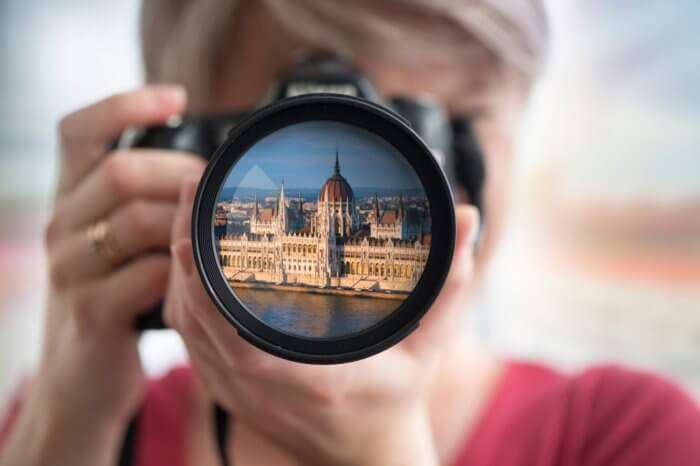
When it comes to photography, choosing the right equipment is crucial for capturing stunning shots. One of the essential tools in a photographer's arsenal is the lens. While there are various types of lenses available, longer lenses offer unique advantages that can take your photography to the next level. In this article, we will explore the 7 top reasons why you should use longer lenses when taking photos.
1. Capture Distant Subjects with Precision
Longer lenses, also known as telephoto lenses, excel at bringing faraway subjects closer. Whether you're shooting wildlife, sports events, or architectural details from a distance, longer lenses allow you to capture those subjects with exceptional precision. With their extended focal length, these lenses bring out details that might be otherwise missed, providing stunning results.
2. Achieve Beautiful Background Blur
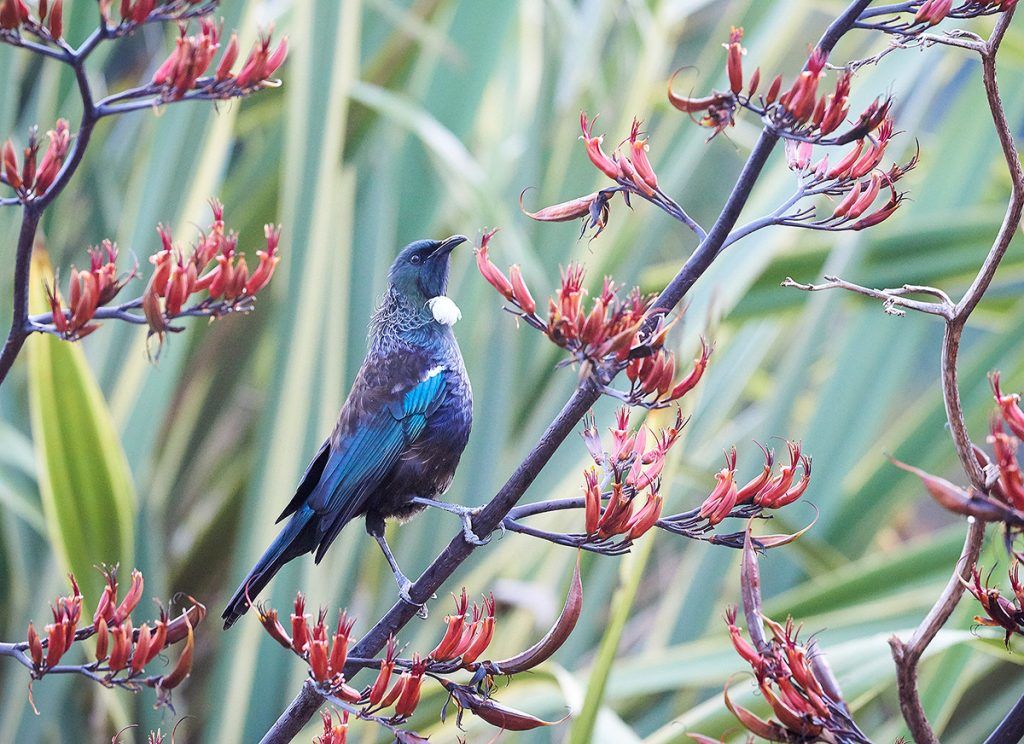
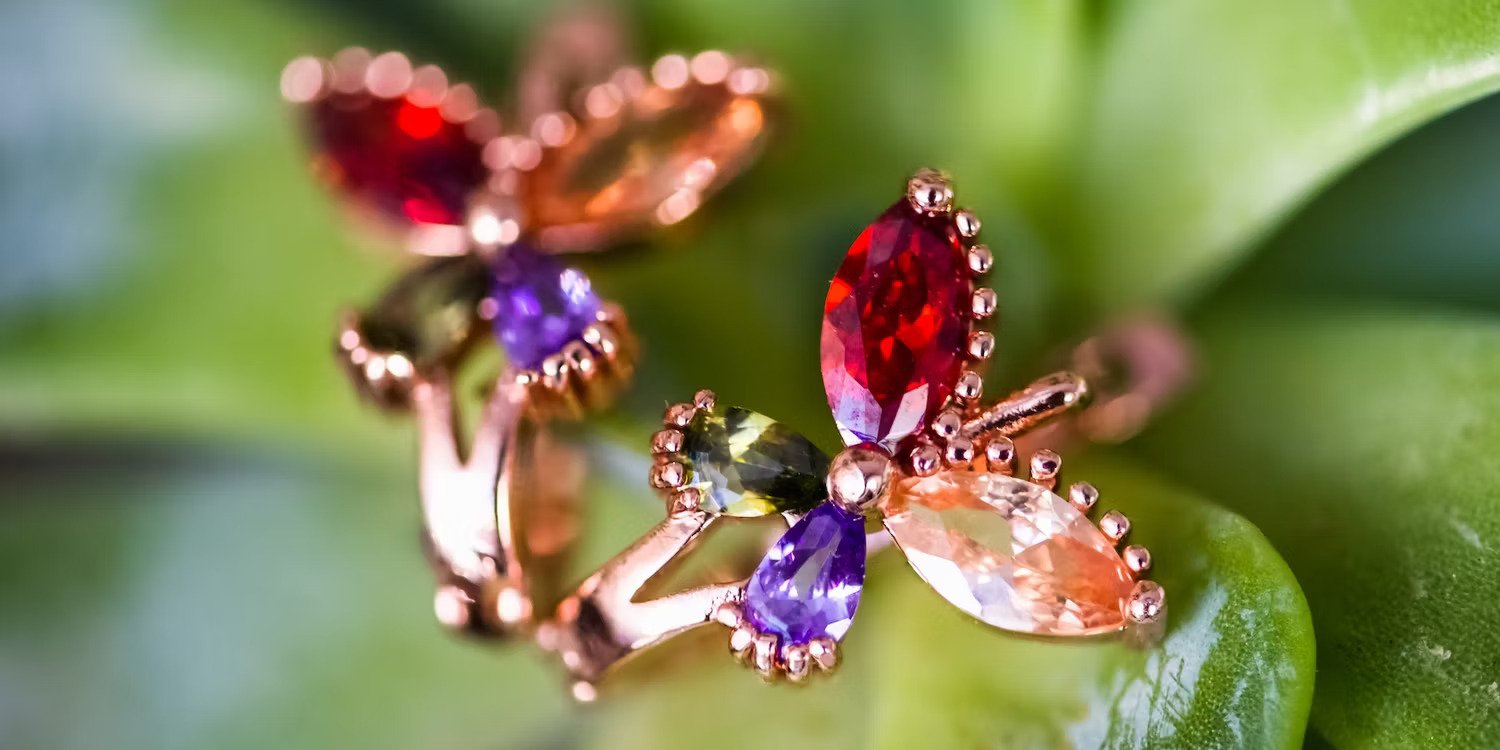
One of the hallmark features of longer lenses is their ability to create a shallow depth of field, resulting in a beautiful background blur, also known as bokeh. This effect isolates the subject from its surroundings, making it the focal point of the image. Whether you're photographing portraits, flowers, or still life, longer lenses can produce that dreamy, professional-looking bokeh that adds a touch of magic to your photos.
3. Compress Perspective for Dramatic Effect
Longer lenses have the power to compress the perspective in a scene, which can lead to visually compelling and dramatic photographs. By narrowing the angle of view and making distant objects appear closer, these lenses create a sense of depth and intensity, adding impact to your images. This unique characteristic makes longer lenses a great choice for landscape photography, allowing you to capture vast vistas with a captivating twist.
4. Enhance Details and Clarity
When using longer lenses, you'll notice a remarkable improvement in the details and clarity of your photographs. These lenses are designed to minimize distortion and produce sharper images, even when zoomed in. Whether you're photographing architecture, textures, or intricate patterns, longer lenses excel at capturing every nuance and fine detail, resulting in images that are rich in clarity and definition.
5. Overcome Challenging Lighting Conditions
In low-light situations, longer lenses can be a game-changer. Their larger aperture size allows more light to enter the camera, making them ideal for capturing well-exposed images in challenging lighting conditions. Whether you're shooting indoors, during sunset, or in dimly lit environments, longer lenses provide the versatility needed to overcome lighting obstacles and produce stunning photographs.
6. Create Unique Perspectives
With longer lenses, you can experiment with creative compositions and capture unique perspectives that are not easily achievable with shorter lenses. By zooming in on specific details or focusing on a narrow field of view, you can create visually engaging photographs that tell a compelling story. Use longer lenses to explore new angles and discover hidden gems within your subjects.
7. Stand Out from the Crowd
Last but not least, using longer lenses can help you stand out from the crowd by capturing images that are different and memorable. With their ability to isolate subjects, create beautiful backgrounds, and enhance details, longer lenses enable you to produce photographs that have that "wow" factor. Whether you're a professional photographer or an enthusiast, incorporating longer lenses into your toolkit can elevate your photography and make it truly distinctive.
FAQs:
Q1: Can longer lenses be used for all types of photography?
A1: While longer lenses excel in specific genres like wildlife, sports, and portraiture, they can be used for various types of photography. Their versatility makes them a valuable asset for photographers who want to explore different subjects and experiment with creative perspectives.
Q2: Are longer lenses heavy and challenging to carry?
A2: Longer lenses tend to be larger and heavier than their shorter counterparts due to their intricate optical designs. However, advancements in lens technology have made them more compact and lightweight, ensuring better portability without compromising on image quality.
Q3: Are longer lenses expensive?
A3: Longer lenses can range from affordable options to high-end professional-grade lenses. The price depends on factors such as the brand, maximum aperture, and focal length. While top-tier lenses can be pricey, there are excellent options available for every budget.
Q4: Do longer lenses require special techniques or settings?
A4: Longer lenses don't require any specific techniques or settings, but it's essential to consider factors like stability, focus accuracy, and shutter speed when using them. It's recommended to use a tripod or image stabilization techniques to minimize camera shake and achieve sharp images.
Q5: Can I use longer lenses with a smartphone?
A5: While longer lenses are traditionally used with DSLR or mirrorless cameras, there are telephoto lens attachments available for smartphones. These attachments can enhance your smartphone photography by providing zoom capabilities and improving image quality.
Q6: Can longer lenses be used for videography?
A6: Absolutely! Longer lenses can be used effectively for videography, allowing you to capture distant subjects and achieve cinematic effects. They are commonly used in sports, wildlife, and documentary filmmaking to bring the audience closer to the action and create visually stunning videos.
If you're looking to take your photography to new heights, investing in longer lenses is a wise decision. Their ability to capture distant subjects with precision, create stunning background blur, compress perspective, enhance details, overcome challenging lighting conditions, and offer unique perspectives makes them an invaluable tool for photographers. By using longer lenses, you can stand out from the crowd and capture breathtaking images that will leave a lasting impression.