Understanding Color in Photography: 7 Tips for A Stunning Outcome
-
 Loading...
 - elijah sophia
- 02 Jun 2023
- 59 Views
- 0 Like
- 0 Comment
Photography is not just about capturing moments; it is an art form that requires a deep understanding of various elements, including composition, lighting, and perhaps most importantly, color. Color plays a vital role in photography, evoking emotions, setting moods, and creating visually captivating images. In this article, we will explore seven tips that will help you master the art of understanding color in photography and achieve stunning outcomes.
Tip 1: The Power of Color Psychology
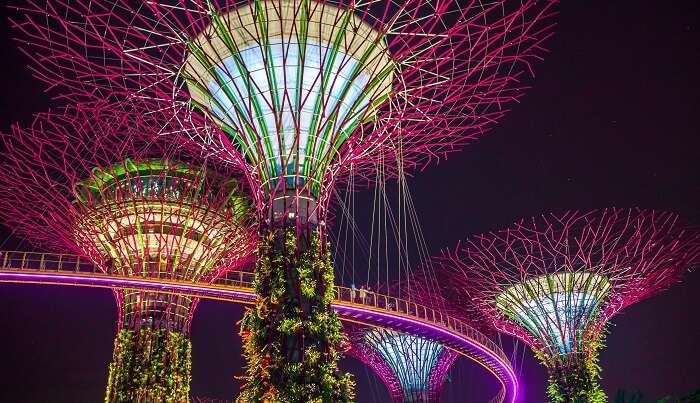
Colors have the ability to convey specific emotions and messages. By understanding the psychology behind different colors, you can strategically use them to enhance the impact of your photographs. For example, warm colors like red and orange can evoke feelings of passion and energy, while cool colors like blue and green can create a sense of calm and serenity. Experiment with different color combinations to evoke specific emotions in your viewers.
Tip 2: Complementary Colors for Visual Pop
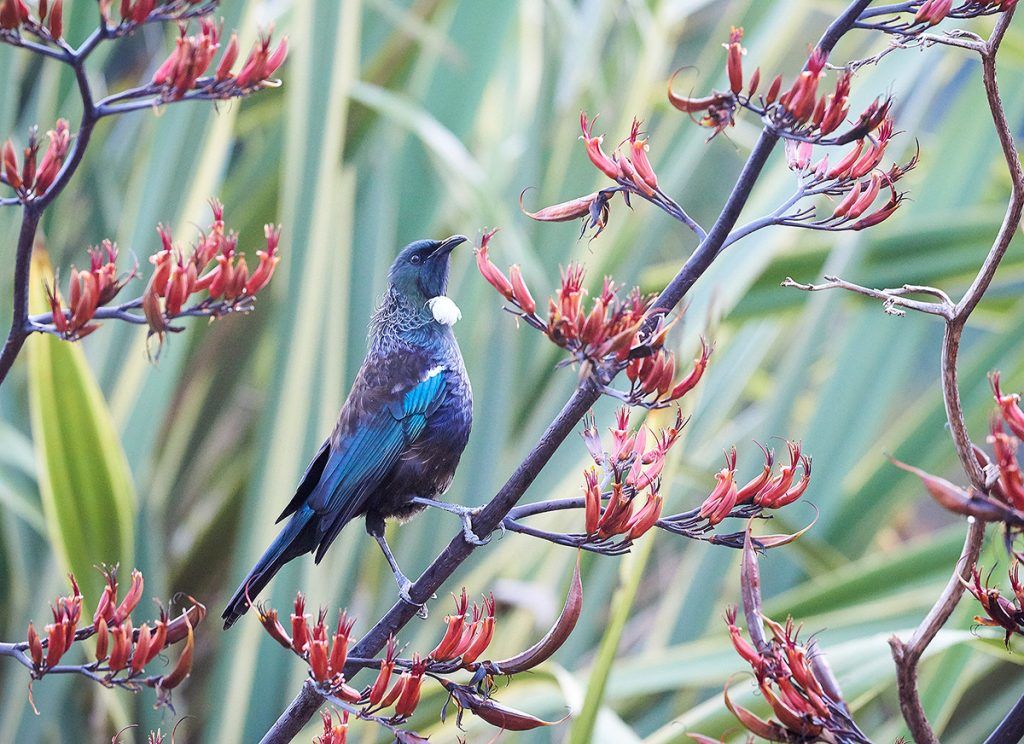
Complementary colors are pairs of colors that are opposite each other on the color wheel. Utilizing these combinations can create striking visual impact in your photographs. For instance, the combination of blue and orange or red and green can make your subject stand out and add a sense of vibrancy to the image. Keep an eye out for opportunities to capture complementary color schemes in your surroundings.
Tip 3: Harmonious Color Schemes for Balance
Harmonious color schemes involve selecting colors that are adjacent to each other on the color wheel. These combinations create a sense of balance and cohesion in your photographs. For example, using different shades of blue and green can produce a calming and harmonious effect. Pay attention to the color relationships in your scenes and use them to create visually pleasing compositions.
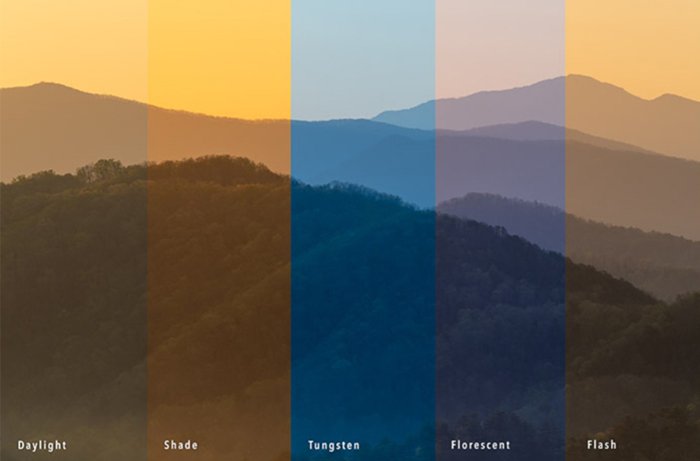
Tip 4: The Impact of Color Temperature
Color temperature refers to the warmth or coolness of a color. It is measured in Kelvin (K) and can significantly impact the mood of your photographs. Warm colors, such as those with a higher color temperature, create a cozy and inviting atmosphere, while cool colors tend to give a sense of tranquility. Experiment with different white balance settings to adjust the color temperature and achieve the desired effect in your images.
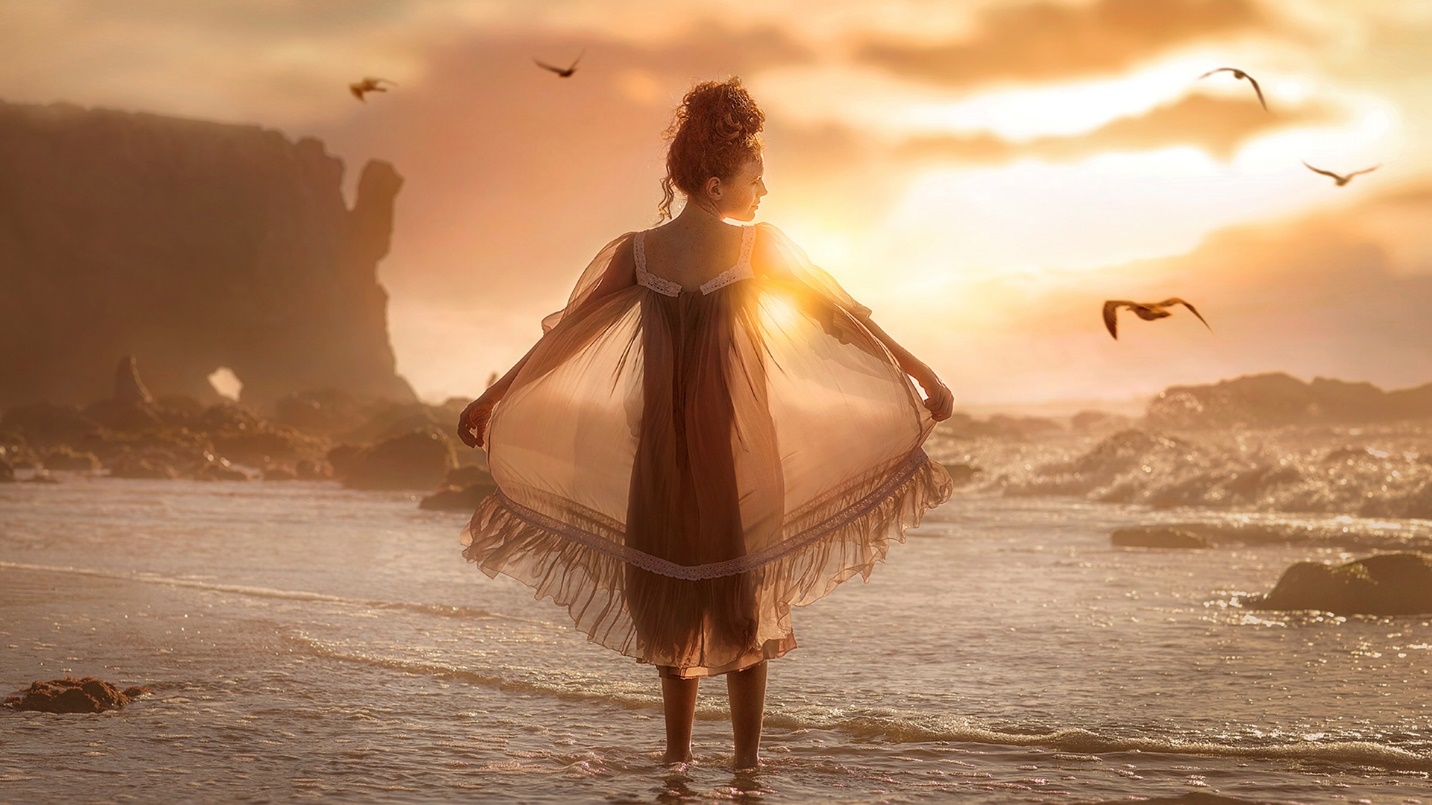
Tip 5: Enhancing Mood with Monochrome
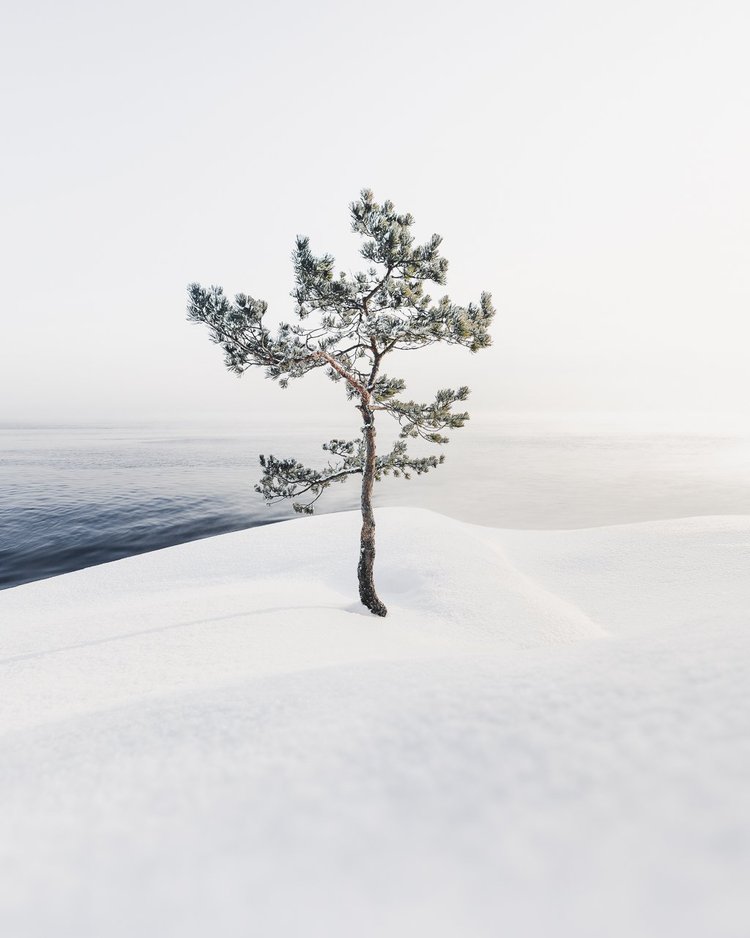
Monochrome photography involves capturing images in a single color or grayscale. It can be a powerful technique for evoking emotions and emphasizing the subject's form and texture. Black and white images, for example, often evoke a sense of timelessness and nostalgia. Experiment with monochrome photography to add a dramatic touch and convey a specific mood in your photographs.
Tip 6: Color as a Storytelling Element
Colors can play a significant role in telling a story within your photographs. Each color has its own cultural and symbolic meanings, which can be used to convey specific messages or narratives. For instance, red is often associated with passion or danger, while yellow can represent joy or happiness. Use color intentionally to enhance the narrative of your images and guide the viewer's interpretation.
Tip 7: Post-Processing for Color Enhancement
Post-processing is an essential step in digital photography, allowing you to fine-tune colors and make your images truly captivating. Software like Adobe Lightroom or Photoshop provides a wide range of tools to adjust color saturation, contrast, and hues. However, it's important to use these tools subtly and avoid overprocessing, as it can lead to unnatural-looking images. Aim for enhancing the colors in a way that maintains the authenticity of the original scene.
Frequently Asked Questions (FAQs)
FAQ 1: How can I ensure accurate color representation in my photographs?
Ensuring accurate color representation requires proper color calibration. Calibrating your monitor regularly and using color profiles specific to your camera and printer can help you achieve consistent and accurate colors in your photographs. Additionally, shooting in RAW format gives you more flexibility in post-processing and allows for better color adjustments.
FAQ 2: Are there any specific colors that work best for landscape photography?
There are no specific colors that work best for landscape photography as it largely depends on the scene and the mood you want to convey. However, nature often provides a wide range of vibrant colors that can be incorporated into your compositions. Experiment with different color combinations to create captivating landscape images.
FAQ 3: How can I use color to create a focal point in my photographs?
Using a pop of color amidst a predominantly neutral or desaturated scene can draw the viewer's attention to the focal point. For example, a red flower in a sea of green foliage immediately becomes the center of attention. Look for opportunities to incorporate a splash of color that contrasts with the overall scene to create a focal point.
FAQ 4: Can I change the color of an object in post-processing?
Yes, post-processing software allows you to change the color of an object in your photographs. You can use selective color adjustments to target specific objects and modify their hue, saturation, and brightness. However, it's important to use this technique judiciously and maintain the integrity of the original image.
FAQ 5: How can I use color to convey different moods in portrait photography?
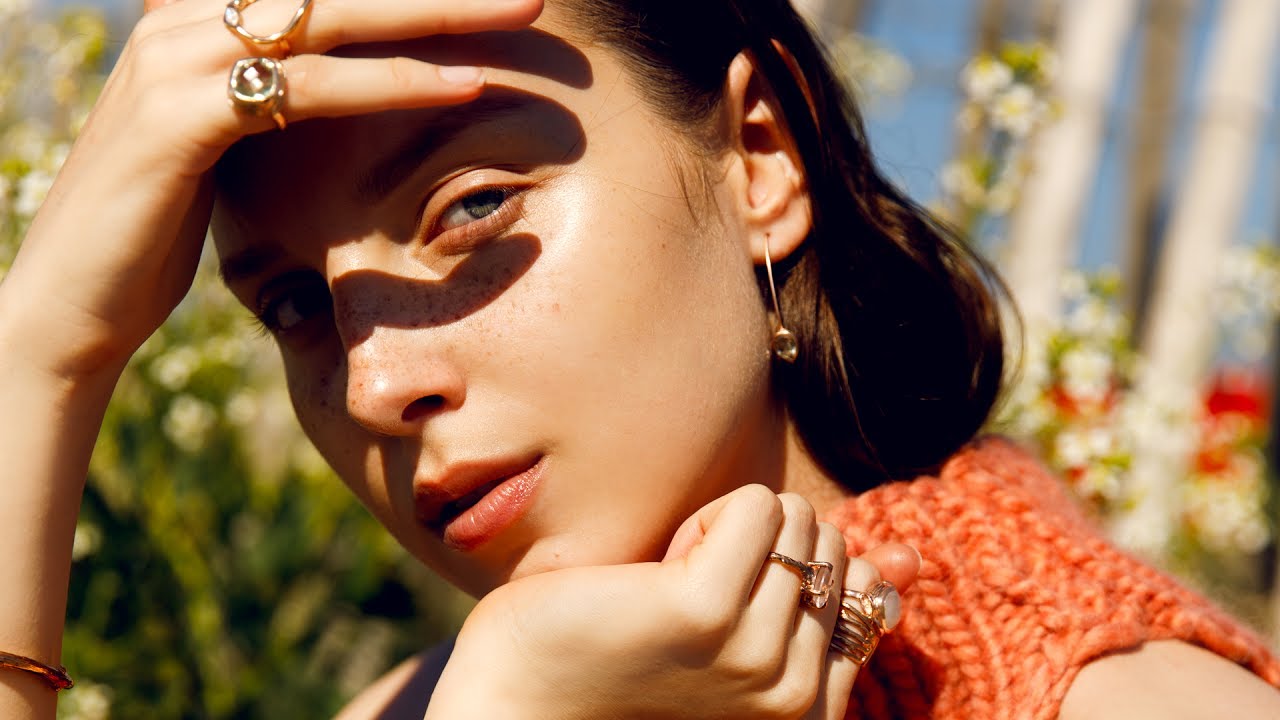
Color can significantly impact the mood and atmosphere of portrait photographs. For a warm and intimate feel, you can use soft and warm colors like oranges and yellows. Conversely, cool colors like blues and greens can create a more serene and tranquil ambiance. Experiment with different color palettes to match the desired mood of your portraits.
FAQ 6: Are there any color rules that I should always follow in photography?
While there are no hard and fast rules in photography, understanding color theory and experimenting with different color combinations can greatly enhance your photographs. However, don't be afraid to break the rules and explore your creativity. Ultimately, the most important aspect is to capture images that resonate with your own artistic vision.
Understanding color in photography is a crucial aspect of creating visually stunning images. By harnessing the power of color psychology, utilizing complementary and harmonious color schemes, and exploring different techniques like monochrome photography, you can elevate your photography skills to new heights. Remember to experiment, practice, and develop your own unique style while keeping the fundamental principles of color in mind. Mastering the art of understanding color will undoubtedly contribute to creating breathtaking photographs that captivate and inspire viewers.