Algeria’s Rich Cultural Heritage: From Prehistoric Rock Art to Contemporary Art Movements
-
 Loading...
 - Jendayi Gad
- 06 Aug 2024
- 79 Views
- 0 Like
- 0 Comment
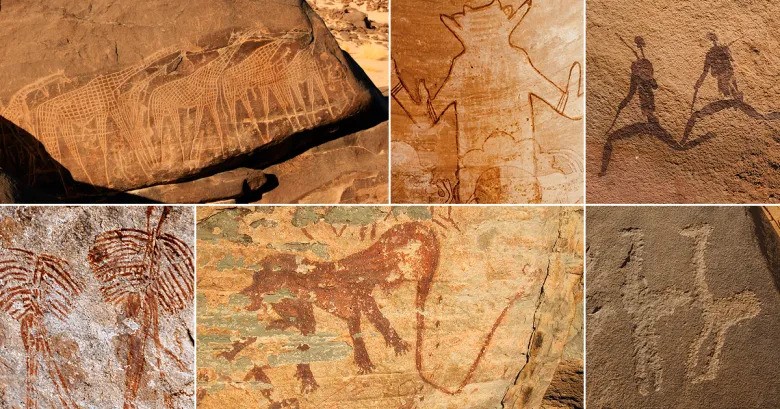
The rich cultural heritage of Algeria is a treasure trove of artistic and historical significance, spanning from prehistoric rock art to contemporary art movements. The country's Sahara Desert region is home to some of the most impressive and well-preserved rock art in the world, providing a unique glimpse into the lives of ancient civilizations.
Prehistoric Rock Art
Algerian rock art is renowned for its exceptional quality and quantity, with over 15,000 drawings and engravings cataloged by archaeologists. The most concentrated sites are found in the Tassili n'Ajjer and Hoggar regions, where the oldest paintings date back approximately 10,000 years. These ancient artworks depict a wide range of subjects, including animals, humans, plants, and abstract motifs, offering valuable insights into the lives and cultural practices of past Sahara inhabitants.
Preserving a Heritage
The preservation of Algerian rock art is crucial, as it serves as a precious source of information about the country's cultural heritage and the lives of its ancient inhabitants. The Algerian government has taken measures to protect rock art sites, but they remain threatened by erosion, vandalism, and tourism development. The inscription of Tassili n'Ajjer on UNESCO's World Heritage list in 1988 recognizes the exceptional universal importance of its rock art.
A Dynamic, Evolving Art Scene
Since Algeria's independence in 1962, the art scene has flourished and diversified, with numerous artistic movements emerging to explore new forms of expression and reflect Algerian societal concerns. Internationally renowned artists such as Baya Mahieddine, Mohamed Issiakhem, and Abdelkader Guermaz have promoted Algerian art worldwide, giving it a prominent place in the international art scene.
Artistic Movements
The "Aouchem" artistic movement, founded in 1967, played a crucial role in shaping Algeria's visual arts by rejecting established artistic models and pursuing creations rooted in Algerian culture and visual elements. This approach fostered a search for local aesthetics, a return to Algeria's cultural heritage, and a lively debate among artists, leading to the emergence of a distinctive Algerian artistic identity.
Other Algerian artistic movements, such as "Houdhour" (presence) and "Sebaghine" (painters), have contributed to the enrichment and diversification of the national artistic landscape, giving rise to a generation of active artists and students capable of remarkable initiatives.
In conclusion, Algeria's rich cultural heritage is a testament to the country's diverse and vibrant artistic history, from prehistoric rock art to contemporary art movements. Efforts to preserve and promote this heritage are essential to ensuring its continued relevance and importance in the modern world.