Home Upload Photo Upload Videos Write a Blog Analytics Messaging Streaming Create Adverts Creators Program
Bebuzee Afghanistan Bebuzee Albania Bebuzee Algeria Bebuzee Andorra Bebuzee Angola Bebuzee Antigua and Barbuda Bebuzee Argentina Bebuzee Armenia Bebuzee Australia Bebuzee Austria Bebuzee Azerbaijan Bebuzee Bahamas Bebuzee Bahrain Bebuzee Bangladesh Bebuzee Barbados Bebuzee Belarus Bebuzee Belgium Bebuzee Belize Bebuzee Benin Bebuzee Bhutan Bebuzee Bolivia Bebuzee Bosnia and Herzegovina Bebuzee Botswana Bebuzee Brazil Bebuzee Brunei Bebuzee Bulgaria Bebuzee Burkina Faso Bebuzee Burundi Bebuzee Cabo Verde Bebuzee Cambodia Bebuzee Cameroon Bebuzee Canada Bebuzee Central African Republic Bebuzee Chad Bebuzee Chile Bebuzee China Bebuzee Colombia Bebuzee Comoros Bebuzee Costa Rica Bebuzee Côte d'Ivoire Bebuzee Croatia Bebuzee Cuba Bebuzee Cyprus Bebuzee Czech Republic Bebuzee Democratic Republic of the Congo Bebuzee Denmark Bebuzee Djibouti Bebuzee Dominica Bebuzee Dominican Republic Bebuzee Ecuador Bebuzee Egypt Bebuzee El Salvador Bebuzee Equatorial Guinea Bebuzee Eritrea Bebuzee Estonia Bebuzee Eswatini Bebuzee Ethiopia Bebuzee Fiji Bebuzee Finland Bebuzee France Bebuzee Gabon Bebuzee Gambia Bebuzee Georgia Bebuzee Germany Bebuzee Ghana Bebuzee Greece Bebuzee Grenada Bebuzee Guatemala Bebuzee Guinea Bebuzee Guinea-Bissau Bebuzee Guyana Bebuzee Haiti Bebuzee Honduras Bebuzee Hong Kong Bebuzee Hungary Bebuzee Iceland Bebuzee India Bebuzee Indonesia Bebuzee Iran Bebuzee Iraq Bebuzee Ireland Bebuzee Israel Bebuzee Italy Bebuzee Jamaica Bebuzee Japan Bebuzee Jordan Bebuzee Kazakhstan Bebuzee Kenya Bebuzee Kiribati Bebuzee Kuwait Bebuzee Kyrgyzstan Bebuzee Laos Bebuzee Latvia Bebuzee Lebanon Bebuzee Lesotho Bebuzee Liberia Bebuzee Libya Bebuzee Liechtenstein Bebuzee Lithuania Bebuzee Luxembourg Bebuzee Madagascar Bebuzee Malawi Bebuzee Malaysia Bebuzee Maldives Bebuzee Mali Bebuzee Malta Bebuzee Marshall Islands Bebuzee Mauritania Bebuzee Mauritius Bebuzee Mexico Bebuzee Micronesia Bebuzee Moldova Bebuzee Monaco Bebuzee Mongolia Bebuzee Montenegro Bebuzee Morocco Bebuzee Mozambique Bebuzee Myanmar Bebuzee Namibia Bebuzee Nauru Bebuzee Nepal Bebuzee Netherlands Bebuzee New Zealand Bebuzee Nicaragua Bebuzee Niger Bebuzee Nigeria Bebuzee North Korea Bebuzee North Macedonia Bebuzee Norway Bebuzee Oman Bebuzee Pakistan Bebuzee Palau Bebuzee Panama Bebuzee Papua New Guinea Bebuzee Paraguay Bebuzee Peru Bebuzee Philippines Bebuzee Poland Bebuzee Portugal Bebuzee Qatar Bebuzee Republic of the Congo Bebuzee Romania Bebuzee Russia Bebuzee Rwanda Bebuzee Saint Kitts and Nevis Bebuzee Saint Lucia Bebuzee Saint Vincent and the Grenadines Bebuzee Samoa Bebuzee San Marino Bebuzee São Tomé and Príncipe Bebuzee Saudi Arabia Bebuzee Senegal Bebuzee Serbia Bebuzee Seychelles Bebuzee Sierra Leone Bebuzee Singapore Bebuzee Slovakia Bebuzee Slovenia Bebuzee Solomon Islands Bebuzee Somalia Bebuzee South Africa Bebuzee South Korea Bebuzee South Sudan Bebuzee Spain Bebuzee Sri Lanka Bebuzee Sudan Bebuzee Suriname Bebuzee Sweden Bebuzee Switzerland Bebuzee Syria Bebuzee Taiwan Bebuzee Tajikistan Bebuzee Tanzania Bebuzee Thailand Bebuzee Timor-Leste Bebuzee Togo Bebuzee Tonga Bebuzee Trinidad and Tobago Bebuzee Tunisia Bebuzee Turkey Bebuzee Turkmenistan Bebuzee Tuvalu Bebuzee Uganda Bebuzee Ukraine Bebuzee United Arab Emirates Bebuzee United Kingdom Bebuzee Uruguay Bebuzee Uzbekistan Bebuzee Vanuatu Bebuzee Venezuela Bebuzee Vietnam Bebuzee World Wide Bebuzee Yemen Bebuzee Zambia Bebuzee Zimbabwe
Blog Image

Ancient Greek Masterpieces Were Painted in Dazzling Colors

It is nearly impossible to imagine the sparkling white sculptures of ancient Greece painted in a variety of bright colors.

Marveling at the ancient Greek masterpieces today, there is a notion ingrained in our minds that all those magnificent sculptures were originally spotless white marble and time has robbed some of them of their glorious sheen.

We tend to think that iconic statues such as Hermes, the Winged Victory, and the Venus de Milo were plain marble sculptures that are just missing some parts as well as their gleaming white skin.

However, it is now certain that ancient Greek sculptors used bright colors, as well as gold and ivory, to further beautify the magnificent shapes they created.

In fact, most of them were dazzling in their color schemes, which were essential to the overall impact the sculptures were intended to create.

Ancient Greek sculptures were painted many bright colors
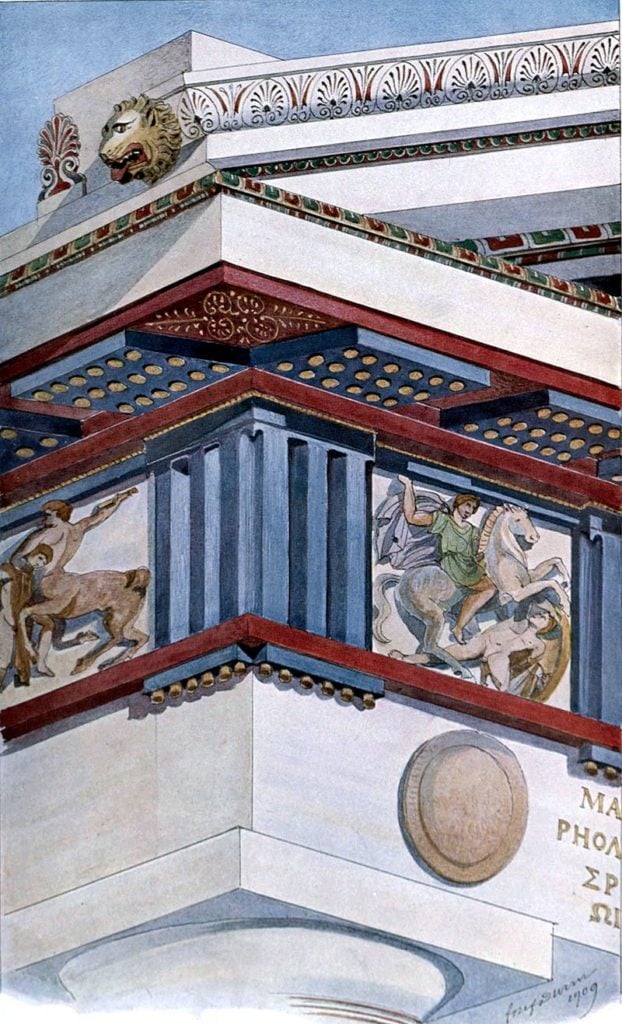
 
 
Phidias the celebrated sculptor who created the masterpiece of the Parthenon, had sculpted a huge statue of Athena Parthenos to stand inside the great building.

Although the statue has been long since destroyed, there is a description of it in the writings of the ancient historian Pausanias, who wrote that the statue was “chryselephantine” or in other words, covered in gold and ivory.

There is also a verse in Euripides‘ tragedy “Troades” (The Trojan Women), written in 415 BC, in which Helen says:

My life and fortunes are a monstrosity,
Partly because of Hera, partly because of my beauty.
If only I could shed my beauty and assume an uglier aspect
The way you would wipe color off a statue.

The last line clearly indicates that all scultptures had been painted, or made in color, and this must have been essential to their beauty and impact.

Praxiteles, the creator of the famous Hermes and the Infant Dionysus, was once asked which were his favorite statues. His reply was “The ones painted by Nikias.”

Unfortunately, after centuries of lying on the ground the paints on the statues has been irreparably lost. Yet there are remnants that, although not all visible to the naked eye, can be detected with modern technology.

Technology reveals the long-lost colors and paint on ancient Greek sculptures

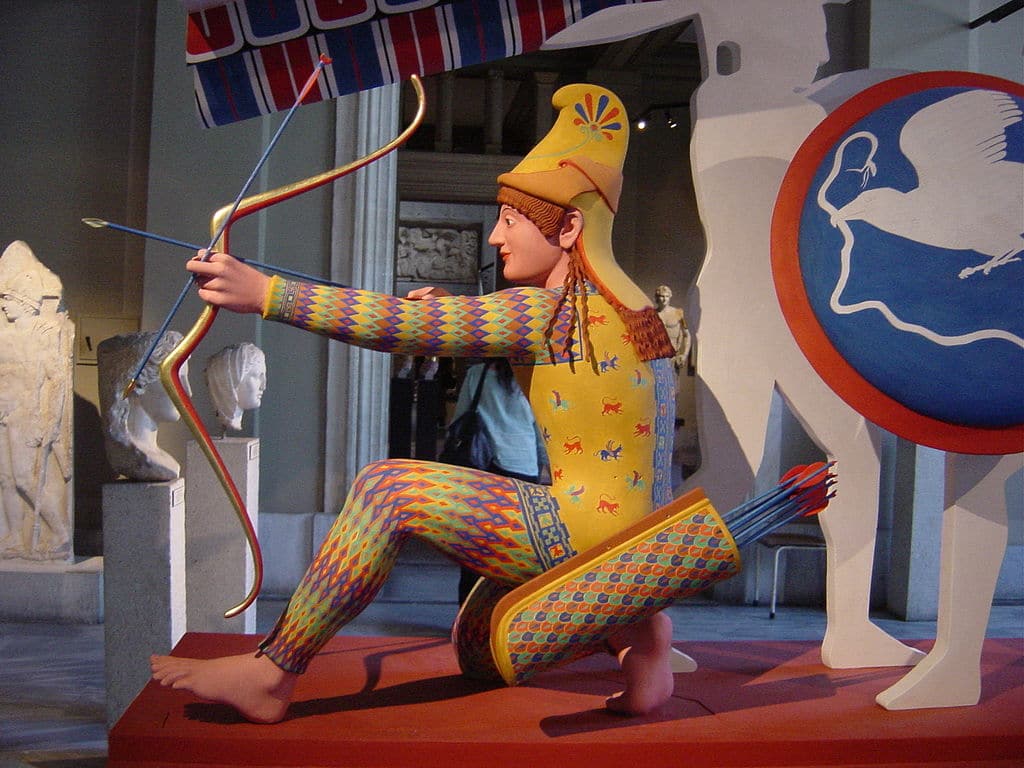
Using non-destructive techniques such as multifaceted imaging and elemental analysis with X-ray fluorescence, archaeologists and restorers are now able to largely recreate the original colorful appearance of the painted ancient Greek sculptures.

There was a pattern in the depiction of Ancient Greek sculptures: the gods had blonde hair which signified their nobility, and warriors had brown hair and skin, while women had white skin to glorify their youth; and women were depicted wearing makeup as well.

The “Peploforos,” or “Peplos Kore” in the Acropolis Museum has been reproduced with her original vivid colors, according to the painstaking research of a team of conservationists.

She has auburn hair, scarlet lips, and brown eyes, and there are colorful decorative ribbons on her clothing. Read More...

Previous Post

Exciting new attraction in Knokke

Next Post

Loei artist borrows affectionate Isan call for 'Ma – Der – La!'

Comments