Ancient Indigenous Art in Chile Faces Irreversible Damage from Mass Tourism
-
 Loading...
 - Martin Frank
- 25 Oct 2024
- 46 Views
- 0 Like
- 0 Comment
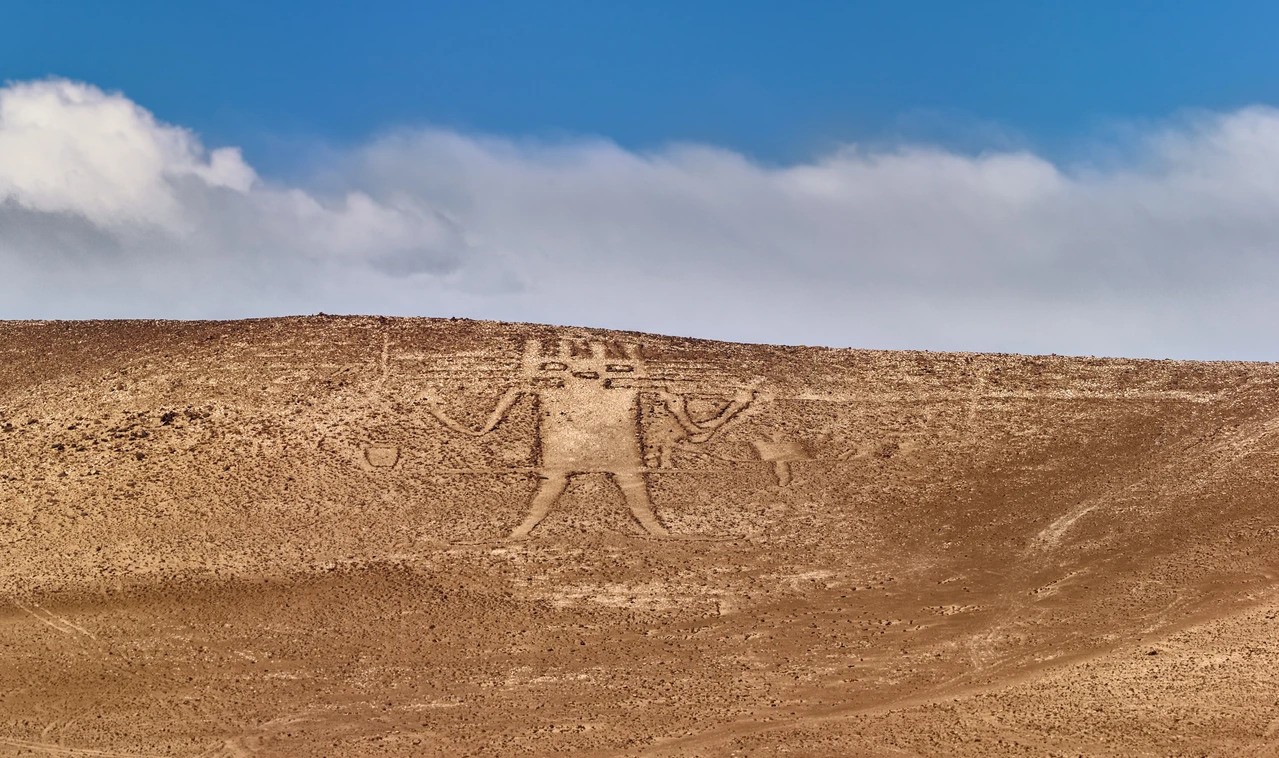
The ancient Indigenous art of the Atacama Desert, known as the geoglyphs, is facing an alarming threat from increasing mass tourism and off-road vehicle activities. Dating back over 1,000 years, these geoglyphs—vast, intricate designs etched into the desert floor—are not only a testament to the creativity and ingenuity of Indigenous peoples but also serve as crucial cultural and historical artifacts. Unfortunately, the delicate balance that has allowed these ancient artworks to endure is now being compromised by the reckless actions of modern tourists.
A Cultural Heritage at Risk
Located in the Alto Barranco area of Chile’s Tarapaca region, the geoglyphs were created by Indigenous communities between 900 and 1450 C.E. The arid conditions of the Atacama Desert have preserved these geoglyphs remarkably well over the centuries. However, recent reports indicate that the landscape is now marred by permanent scars caused by off-road vehicles, including 4×4 trucks, quad bikes, and motorcycles. The Atacama Desert Foundation has documented numerous instances where vehicle tracks have cut across the geoglyphs, despite the presence of warning signs intended to protect these cultural treasures.
Luis Perez, an archaeologist and the director of the Regional Museum of Iquique, has been vocal about the severity of the situation. “Damage to national monuments is not a misdemeanor; it is a crime,” he stated in an interview with Chilean media outlet Expreso Bio Bio. “This is very serious because it is irreversible damage… it cannot be restored.” His comments underscore the urgency of addressing the ongoing destruction of these ancient artworks.
The Impact of Mass Tourism and Off-Road Activities
The Atacama Desert has become a popular destination for adventure tourism, with several large motorsport events, including the Atacama Rally, attracting participants from around the globe. Rally organizers have denied responsibility for the damage, asserting that their participants adhered to GPS-monitored routes approved by local authorities. However, authorities point to the significant harm caused by off-road vehicles involved in unofficial races and tours that operate without proper regulation. Many of these vehicles lack license plates, complicating efforts to hold drivers accountable for their actions.
Moreover, the situation is exacerbated by heavy trucks from nearby mining operations that traverse the area, further damaging the fragile landscape that houses these geoglyphs. The combination of unregulated tourism and industrial activity poses a dire threat to the preservation of this ancient art, which has already suffered enough from the encroachment of modernity.
Cultural Significance Beyond Art
The geoglyphs are not merely artistic expressions; they also serve as navigational tools for Indigenous peoples, guiding them through the harsh desert terrain. The designs, which include depictions of humans, animals, and abstract shapes, carry deep cultural significance and reflect the relationship between the Indigenous communities and their environment. As archaeologist Luis Perez emphasized, the ongoing destruction of these geoglyphs represents a cultural loss that extends far beyond the physical damage to the land.
Calls for Urgent Action
The alarming rate of destruction has raised concerns among archaeologists and conservationists who are calling for immediate and effective measures to safeguard these cultural treasures. Increased awareness and education about the importance of the geoglyphs are crucial, as is the enforcement of regulations to prevent further damage from tourism and industrial activities.
The Chilean government, local authorities, and tourism operators must collaborate to establish stricter guidelines and protective measures for the geoglyphs. This includes creating designated paths for off-road vehicles, increasing patrols in the area to monitor compliance, and implementing educational programs for tourists to foster respect for the cultural heritage of the region.
The ancient geoglyphs of Chile’s Atacama Desert are invaluable pieces of Indigenous history that face an uncertain future due to the pressures of mass tourism and industrial activity. As we stand on the brink of losing these cultural treasures forever, it is imperative that we take action to protect them. By recognizing the significance of these geoglyphs and prioritizing their preservation, we can ensure that future generations have the opportunity to appreciate and learn from the rich history they represent. The time to act is now; the preservation of our cultural heritage depends on it.