Art Is Yet Another Way of Doing Science
-
 Loading...
 - Geetika Rai
- 10 Jun 2022
- 307 Views
- 0 Like
- 0 Comment
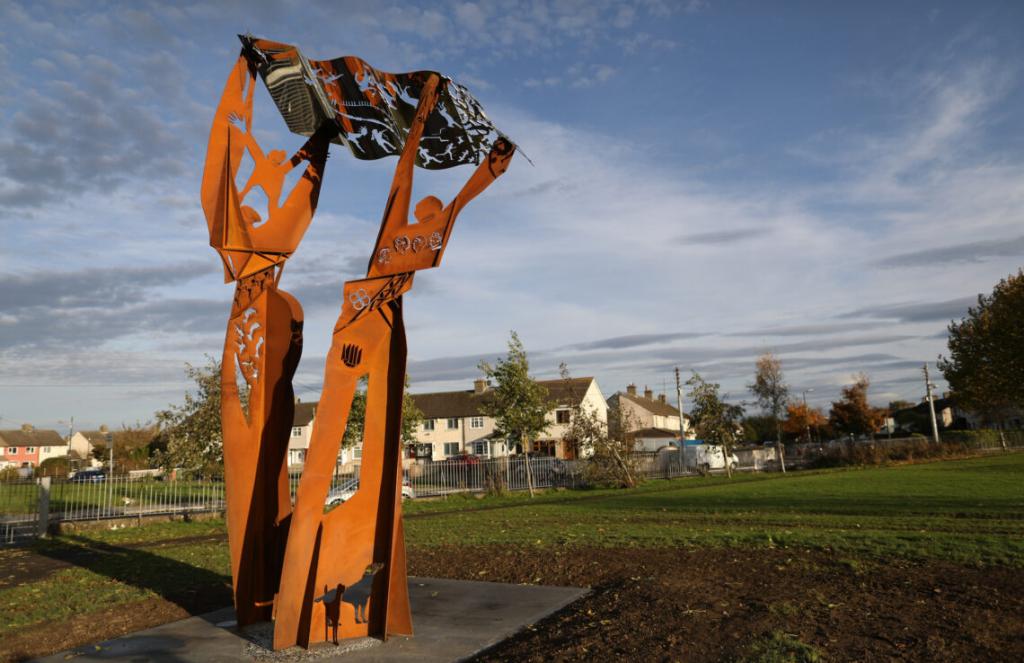
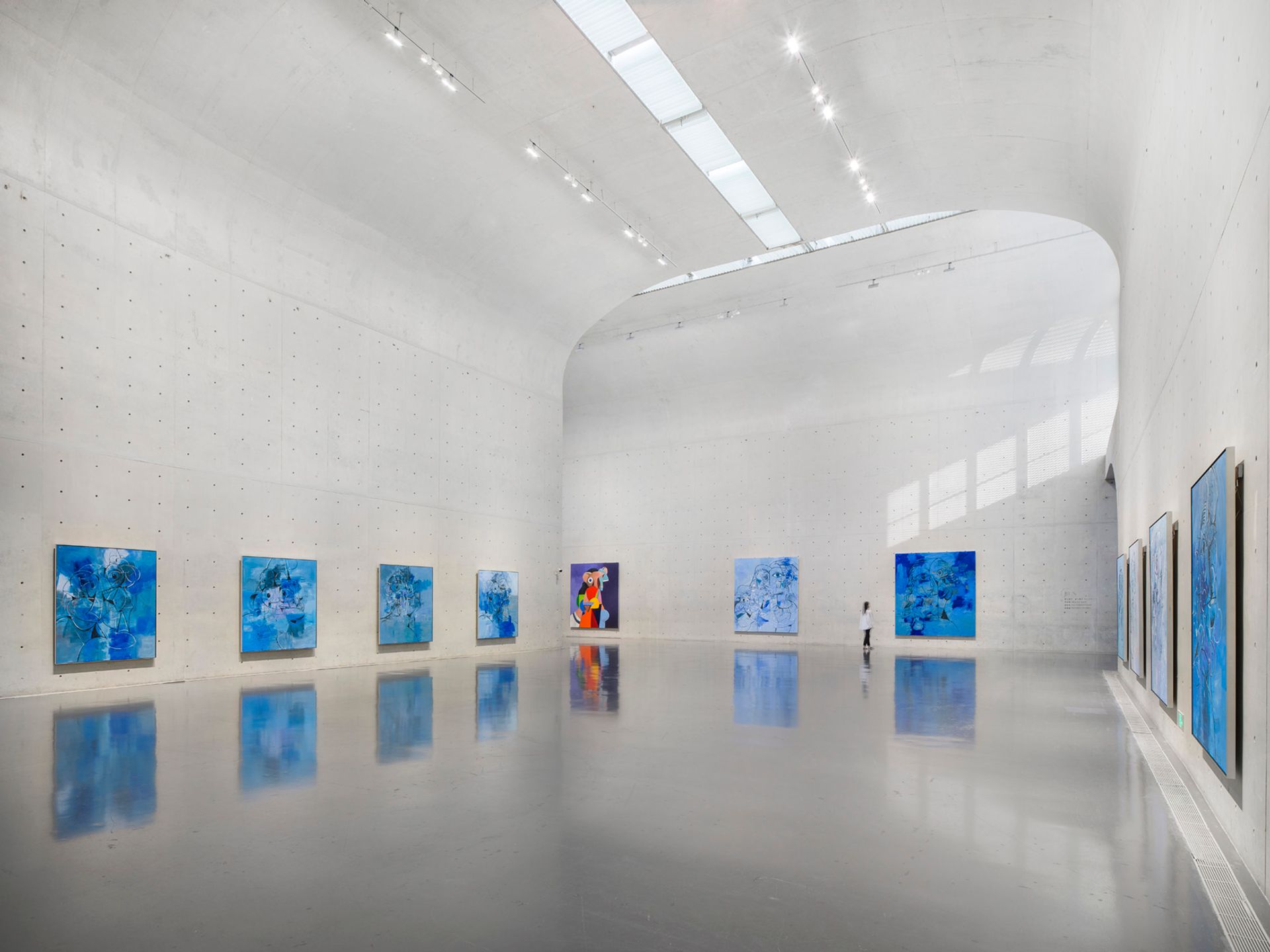
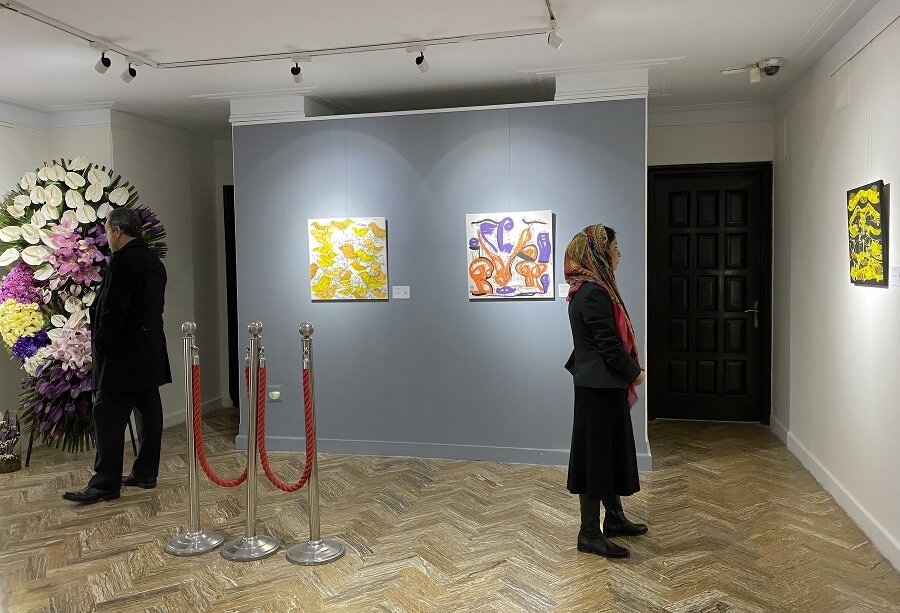
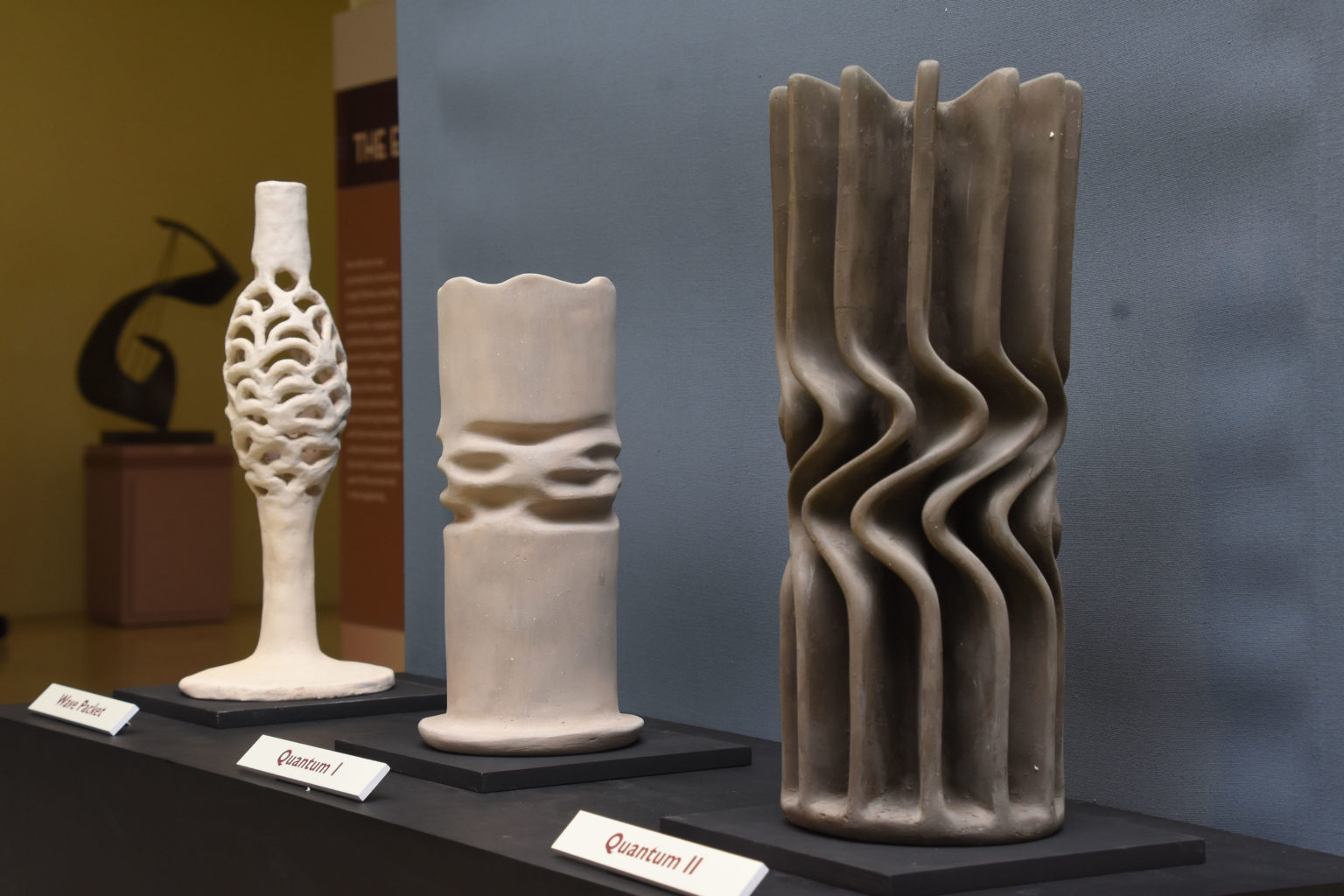
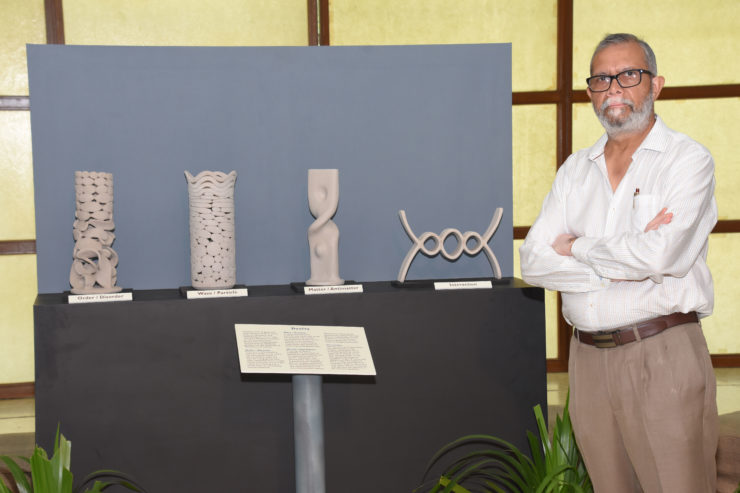
Sukant Saran is a physicist-turned-artist who has been creating sculptures since 2012, and has exhibited his work at various venues over the years. Some of these sculptures are on display in an exhibition named ‘Sculpting Science’, at the Tata Institute of Fundamental Research (TIFR), Mumbai. The exhibit closes on June 14.
When did you start as an artist? What are the different art forms and methods that you have worked with since?
I grew up in an environment enriched by literature, poetry and other arts. My father was a poet, writer and journalist. My mother was a short story writer. I developed an appreciation of the arts very early.
When I was eight years old, my father took me to a museum and art gallery in Chandigarh where among other things I saw abstract art for the first time. I was very intrigued and asked many questions about it. It is rather difficult to explain abstract art to an eight-year-old and my father chose to tell me his own response and reaction to the displayed art, instead of explaining.
I was utterly fascinated by the dialogue that was taking place between the artist and the viewer, and without knowing anything about it I just started making it.
Gradually, I acquired more understanding and it became a hobby which continued till my early twenties. I was experimenting with all kinds of media; watercolor, oils, collage, etc. At the same time, I was doing a lot of doodling and as I acquired a better understanding of drawing, my doodles started becoming more expressive.
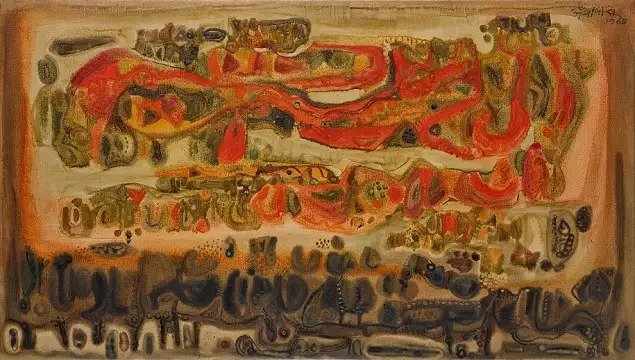
I continued to make pen drawings and by my mid-twenties I was fully committed to expressing myself through my art. This later resulted in two solo exhibitions of abstract pen art, in 1998 and 2001, at Nehru Centre Mumbai.
I also worked with digital and photographic art between 1996 and 2012.
Tell us a bit about when and how you started using art to portray science.
I had joined TIFR in 1985 and in 1990, due to certain circumstances, I dropped out of the PhD program without submitting a thesis. My commitment to art was strengthening and I was getting more interested in the philosophical aspects of science, and also a little disenchanted with the conventional way of doing science.
In 1996, I took up an editorial job at TIFR which required me to make scientific and technical reports for the institute. Initially, I was just decorating the reports with typical photos of the buildings and gardens but then I started making digital images connected to the content of the reports. This grew into making posters, book covers, brochures etc., and, as the body of work grew, I realised that I am making art about science.
I held the first exhibition of my digital art in 2006 at IISc, Bangalore, under the aegis of the Indian Academy of Sciences. This was followed by two more in 2009 and 2012.
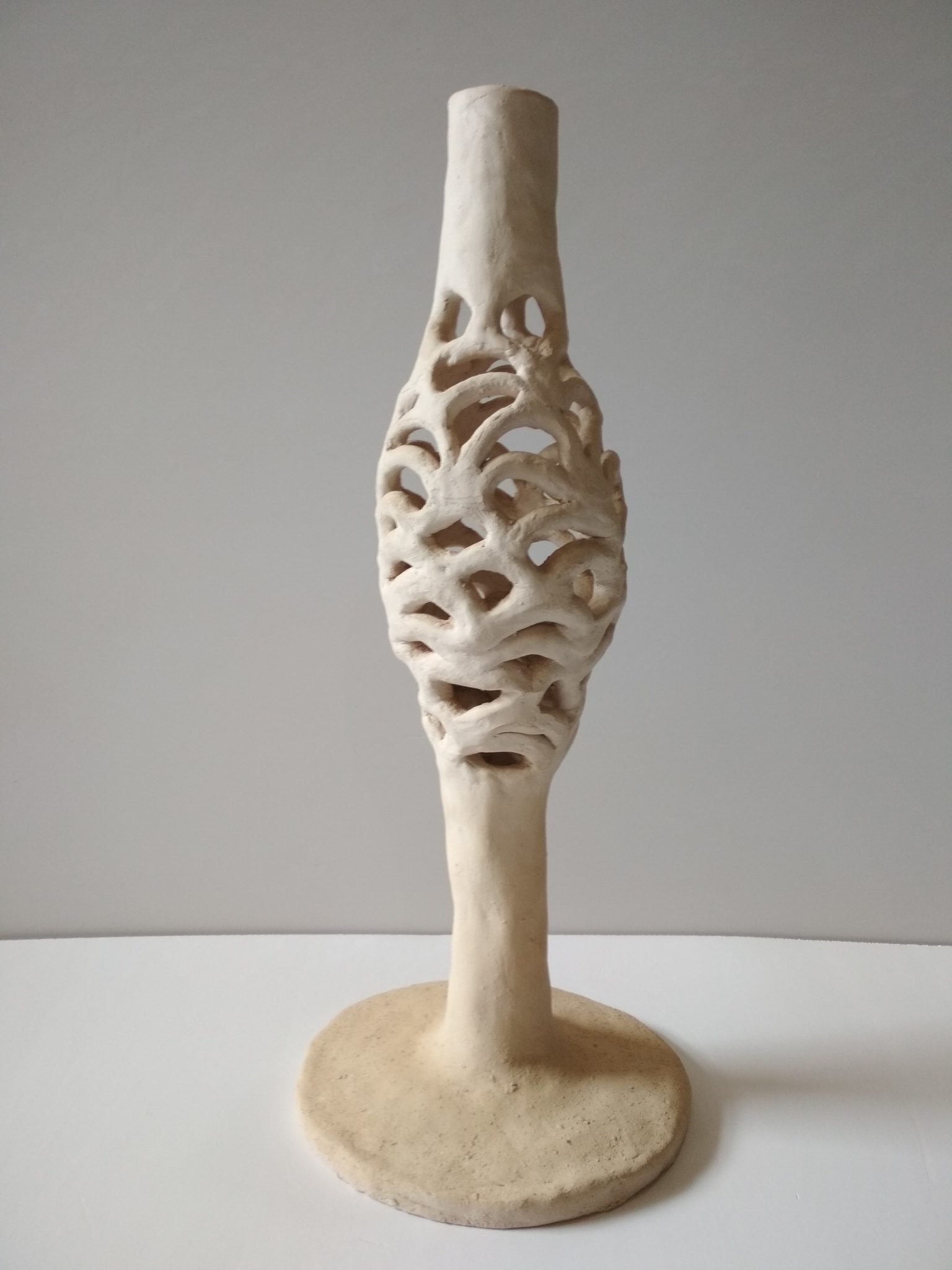
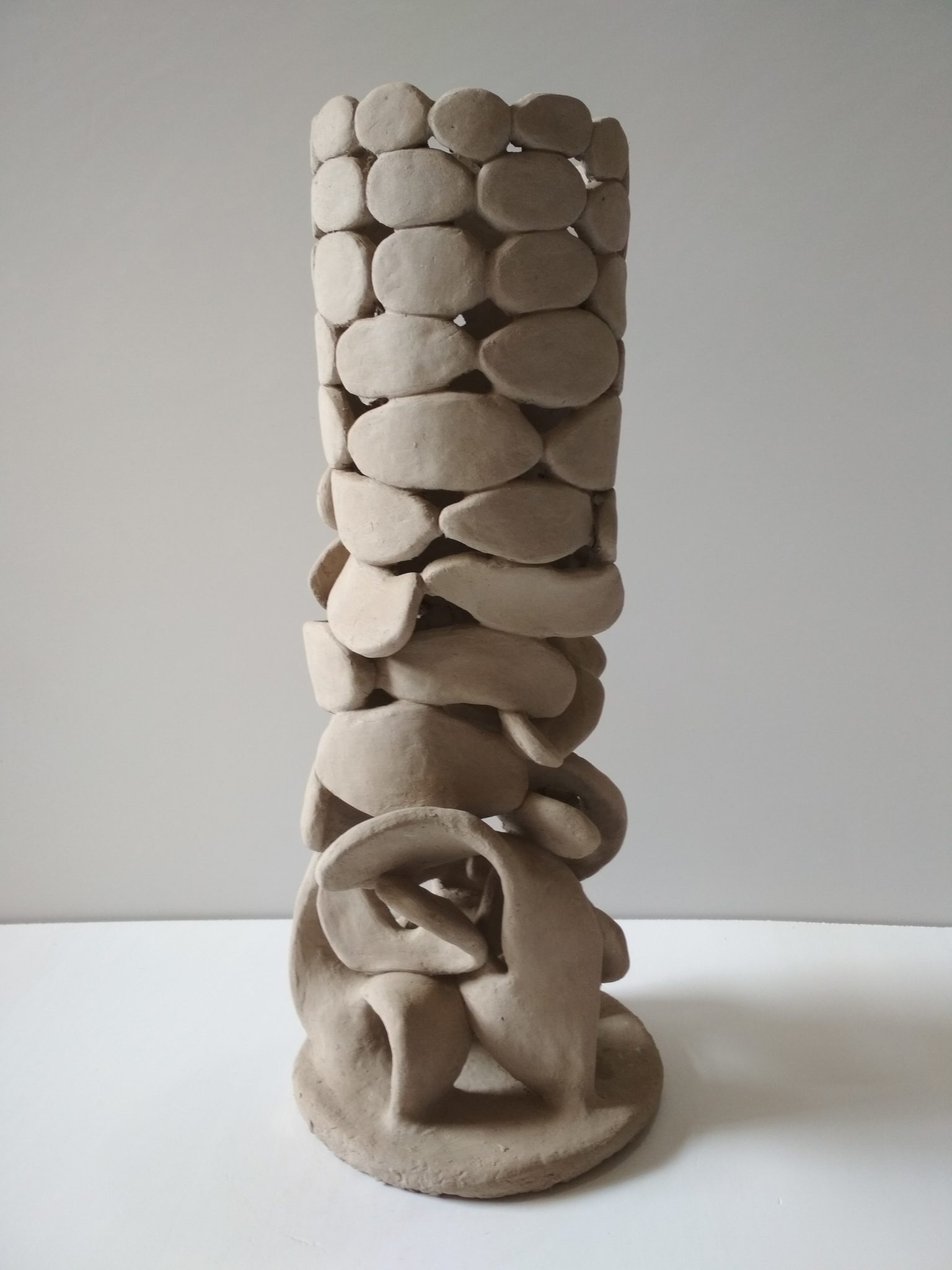
Around 2010, I started thinking about combining the two strands of my work, and, after some experimentation, I ended up making hand-built clay sculptures. The idea was to find a balance between the scientific and aesthetic contents.
What are your thoughts on using art to communicate science?
Historically, art has been used to communicate a variety of ideologies: religious, social, political, and others. Science has become such an integral part of our society, even a way of life, that artistic exploration of its aesthetic aspect is a natural development.
Of course, this can be done for educational purposes. But more importantly this can be seen as a new path taken – yet another way of doing science.
How does it feel to don the hats of a scientist and an artist? Has this exercise or journey contributed to your growth as a person?
I would say that it is intellectually exciting and emotionally satisfying. However, one has to deal with certain conflicts because of the nature of the two disciplines. Trying to resolve those conflicts affects me deeply as an individual. Finding a balance always teaches you something about yourself. It can be tiring at times, but never dull. Read More...