Angola's New Laws Alarm Rights Activists Over Civil Liberties
-
 Loading...
 - Kisi Anane
- 20 Sep 2024
- 64 Views
- 0 Like
- 0 Comment
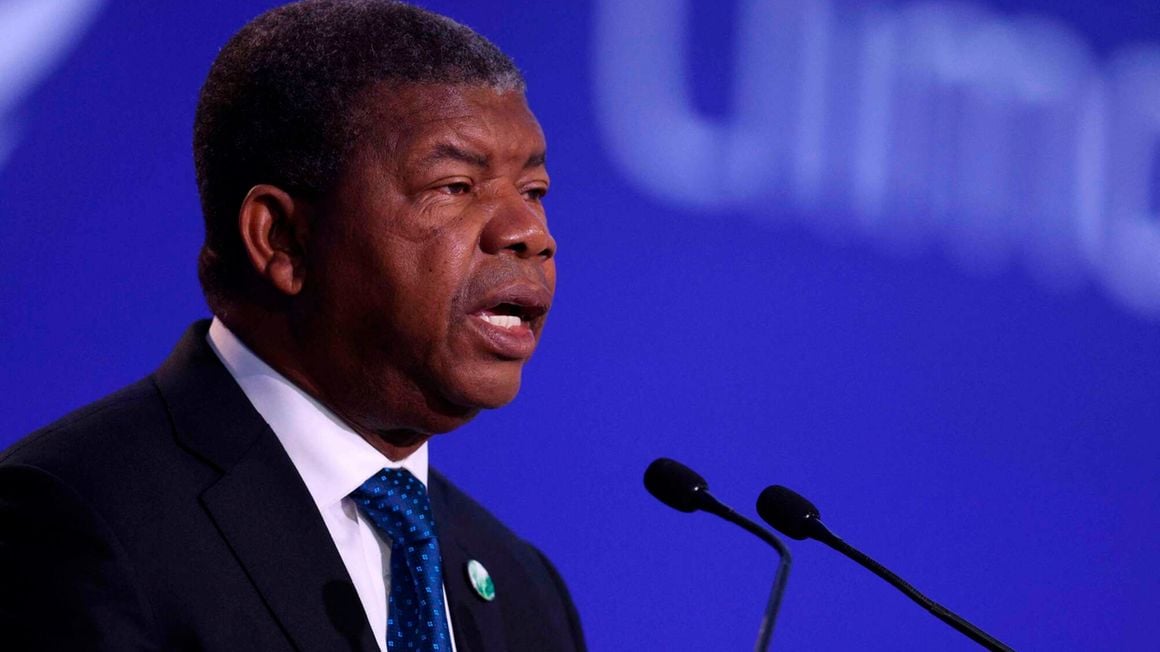
Rights activists are expressing concern over Angola’s new laws, which they argue could significantly curtail civil liberties. President João Lourenço recently signed two bills into law aimed at preventing public disorder and vandalism. These laws introduce severe penalties, including prison sentences of up to 25 years for those participating in protests that lead to property damage or the disruption of public services. The laws also grant the government greater control over media, civil society, and private institutions under the guise of national security concerns.
Critics argue that Angola already has adequate legal frameworks to handle vandalism and public disorder, making these new laws redundant and unnecessarily restrictive. Francisco Fingo, from a local NGO, expressed concerns about the weakening of civil society due to these laws, stating that Angola's democratic progress is being reversed. Political commentator José Gama added that President Lourenço, who initially relaxed restrictions upon coming to power, is now consolidating authority much like his predecessor, José Eduardo dos Santos.
Human Rights Watch (HRW) and Freedom House have voiced concerns over the shrinking space for civil liberties in Angola. HRW highlighted ongoing repression in regions like Cabinda, where activists are frequently detained for peaceful protests. Freedom House, which classifies Angola as "not free," has cited widespread political repression, corruption, and human rights abuses.
Although President Lourenço has ruled out seeking a third term, some members of his party have suggested amending the Constitution to allow him to continue in power beyond the two-term limit. However, the President himself has sent mixed signals regarding his political future.
These developments have raised alarms about the state of democracy in Angola, with the opposition and civil society calling for continued efforts to strengthen democratic institutions and safeguard civil liberties.