Anxiety is part of me': Mara Wilson and other anxious minds on how they cope
-
 Loading...
 - Liam Walsh
- 25 May 2022
- 286 Views
- 0 Like
- 0 Comment
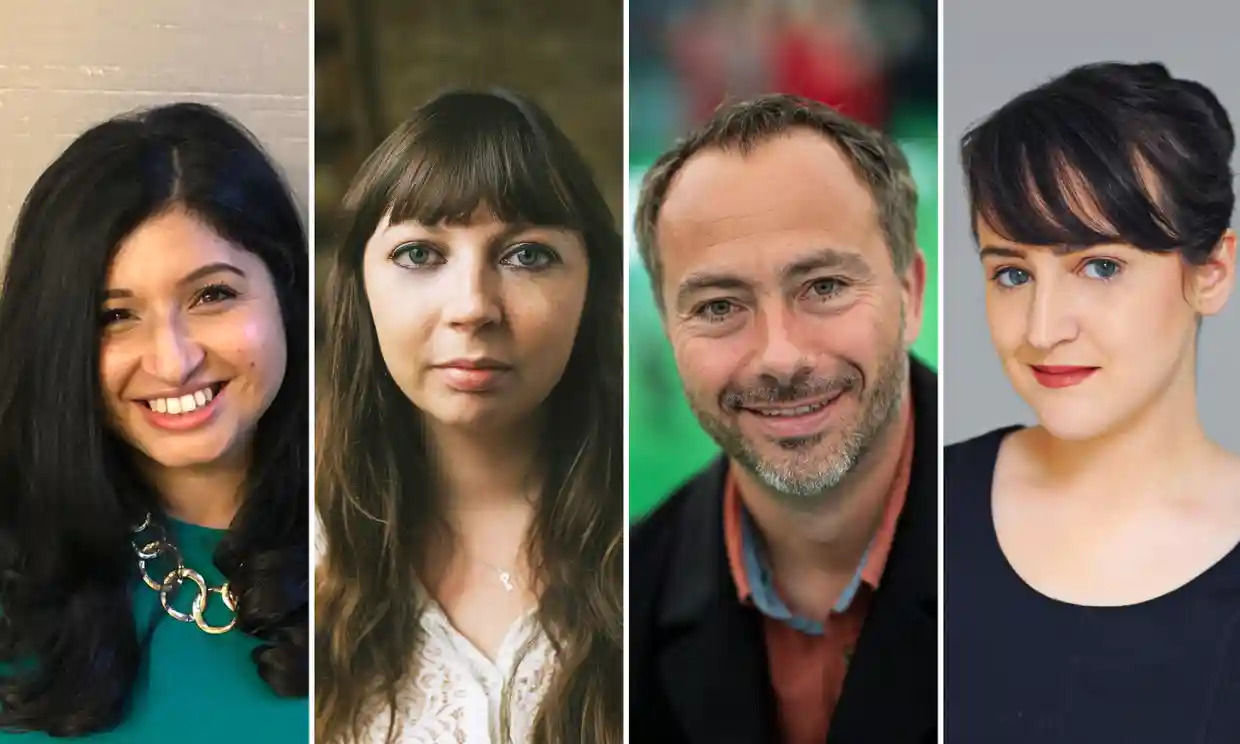
Robyn Wilder
Of the nine most commonly diagnosed anxiety disorders on the Mind website, I’ve been diagnosed with seven. I realise this is a peculiar boast, but in case you’re wondering – hypochondria, a legitimate anxiety disorder in itself – isn’t among my diagnoses.
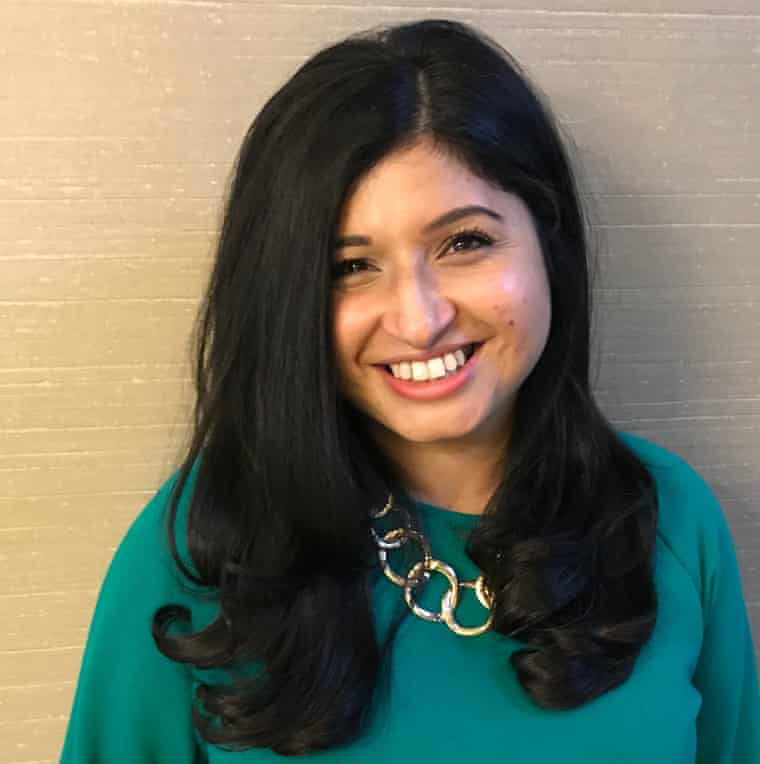
My first was agoraphobia with panic disorder, which came for me unexpectedly when I was 20, fresh out of university, and enjoying life as a guitar-wielding, purple-haired party girl (the home counties Courtney Love, only browner and more Sloaney). Suddenly, being in any enclosed public space – pubs, cinemas, train stations – would plunge me into visceral, suffocating episodes of vertigo. My stomach would spin, my vision turn dark at the edges, and I’d hurry for the safety of home. Soon I was experiencing these “episodes”, which I later learned were panic attacks, in even familiar locations. My local pub. My best friend’s living room.
By the time I was diagnosed, I was already helplessly housebound, couldn’t sleep, and had lost a third of my body weight.
Becoming a shut-in took a matter of weeks. My recovery, however, would take four years, one springer spaniel, a career change, some not-very-helpful analytical psychotherapy, and the gruelling but effective daily practice of pushing my boundaries with desensitisation therapy, in order to move around freely in the world again.
When I was able, I moved to London to restart my life. Though the agoraphobia subsided, anxiety remained an issue. Subsequent diagnoses included generalised anxiety disorder, social anxiety, both perinatal and postnatal anxiety, plus two lots of PTSD as a result of two emergency C-sections.
Finally, I was coping with work, parenting and the creeping dread of 2020’s first lockdown until my mother died of Covid, triggering my agoraphobia to return after 20 years in remission, and I developed a compulsive skin-picking disorder to boot.
So what works for me? I have learned that the wrong therapy can harm you. I’ve never got on with therapist-ordained CBT or mindfulness exercises, which it transpires can actively harm people with ADHD and PTSD. Now I ask for proof that new therapists are informed about all my conditions. I can’t believe it took a pandemic to show me that accessing therapy from home via Zoom is more helpful for agoraphobics.
Chronic anxiety and agoraphobia recovery means I’ve been living at Defcon 1 for ever, but I know that it is essential to establish my baseline comfort level. Rest, reading, favourite bands – these are all foreign concepts. Instead, I’m starting with macro-level pleasures, noting down the smallest things that give me joy, and building on them. Marie Kondo is not among them.
Mara Wilson
I’ve experienced all kinds of anxiety, from heart-pounding, nauseating panic attacks, to the incapacitating self-doubt of OCD, to low-level, background nervousness. Some of my earliest childhood memories involve me feeling nervous or frightened for no reason. My anxiety is a part of me, one that I’ve had to learn to deal with.
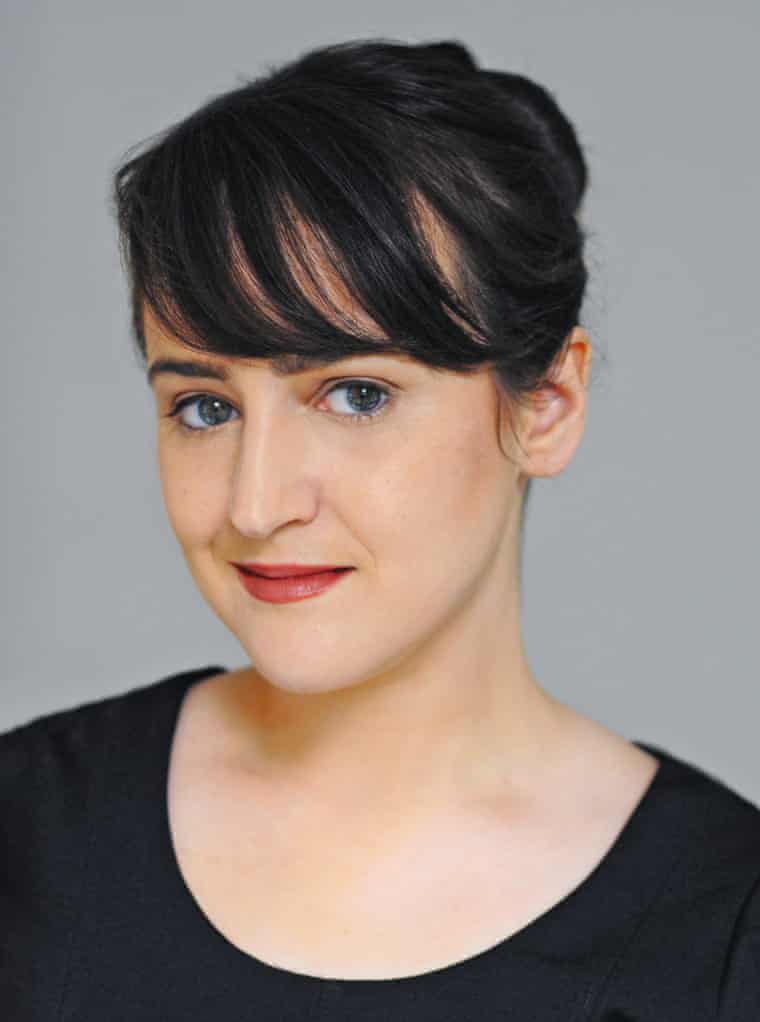
I found that medication helped with my OCD, while talking therapy and mindfulness have helped with panic attacks and generalised anxiety. I’d also recommend anxiety workbooks. The Panic Attacks Workbook by Dr David Carbonell is a great resource – it taught me breathing exercises, such as the “belly breathing” exercise, which I use to manage my anxiety.
I also try to ground myself by taking stock of my surroundings: I will look around and name three things I can see, then three things I can hear, and then three things I can feel. It’s useful for taking me out of my own head and bringing me back into the present moment.
I’m not sure who I’d be if I weren’t anxious – and it is important to remember that almost everyone deals with anxiety at some point in their life. There’s no shame in getting professional help, just as you wouldn’t feel ashamed about getting treatment for asthma or a broken arm. Different treatments work better for different people; so I would advise anyone struggling with anxiety not to be discouraged if one doesn’t take straight away.
Go easy on yourself: setting boundaries and providing structure are often important, but so is treating yourself with compassion, forgiveness and understanding.
Mara Wilson is an actor and mental health advocate. As told to Leah Harper.
Rhiannon Lucy Cosslett
I’m not claiming that lavender oil is by any means a cure, but when it felt that the world was conspiring in a thousand different ways to kill me and everyone I loved, grounding techniques really helped bring me back to reality. PTSD – which I developed after I was assaulted as a student and which returned in 2015 when I was in Paris during the Bataclan attack – is like a form of time travel. So a smell like lavender can help restore you to the present. As can sitting on the floor, which gets you some funny looks, though in the midst of a panic attack it’s the least of your worries. Read More...