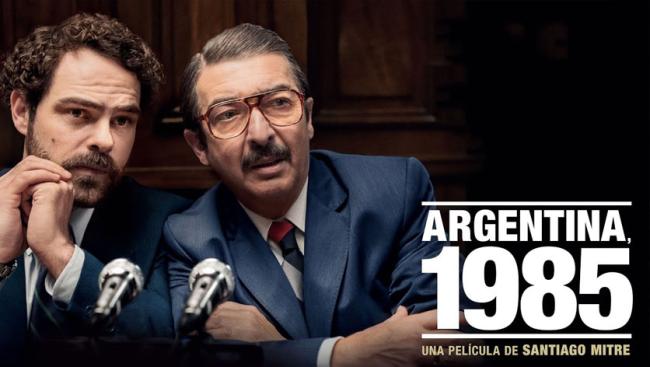
Argentina 1985: The Revival of Democracy (Review)
-
 Loading...
 - Amy DeRose
- 18 May 2023
- 71 Views
- 0 Like
- 0 Comment
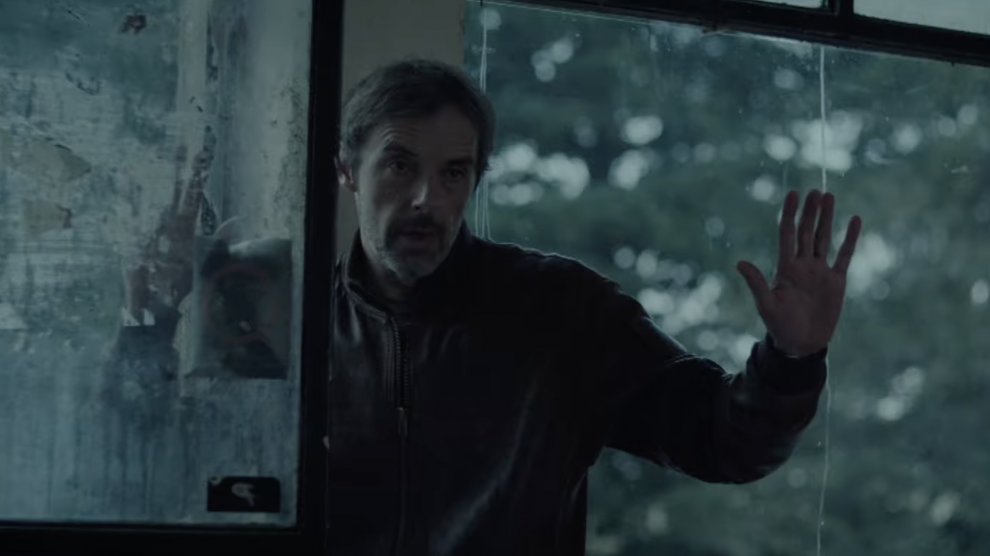
This feeling of unease pervades key scenes in "Argentina 1985," a film that delves into the responsibility thrust upon real-life state prosecutor Julio Cesar Strassera (portrayed by Ricardo Darín) and his team as they seek to hold the top military brass accountable in post-dictatorship Argentina. Nominated for the Best International Feature Film category at this year's Academy Awards, director and screenwriter Santiago Mitre's latest work effectively captures the cautious atmosphere that surrounded Argentina's transition to democracy after 1983, marking the end of one of the country's darkest periods. Mitre skillfully blends night scenes reminiscent of Edward Hopper paintings with film noir elements, all the while maintaining a sense of humor as the story unfolds. We witness the pursuit of justice by a democratically elected government, a determined prosecutorial team, and survivors of the dictatorship against the very forces that were supposed to protect the nation.
One example of the prevailing apprehension occurs when Strassera's colleague, Luis Moreno Ocampo (played by Juan Pedro Lanzani), hastily departs from a social gathering due to the heavy military presence. As he navigates the streets of Buenos Aires, he constantly glances over his shoulder, realizing that he is being followed by his own security detail on foot and in a black car. From a passing vehicle, a man tauntingly asks, "Need a ride, prosecutor?" Ominous phone calls, unattended suitcases in the courtroom, and car bombs near the Casa Rosada contribute to the pervasive sense of tension throughout the film, keeping the audience on edge.
Unfolding over the course of a year, "Argentina 1985" focuses on the civic government of President Raúl Alfonsín as it assigns Strassera and Ocampo the monumental task of prosecuting the armed forces for their systemic use of torture, murder, kidnappings, and abuse. The film serves as a powerful and deeply moving portrayal of a unique court case that draws parallels to the Nuremberg Trials following World War II. The significance of Argentina's case extends beyond Latin America, as its democratically elected government chose to confront the architects of the brutal military dictatorship that caused the deaths or forced disappearances of up to 30,000 people. In contrast, other post-dictatorship governments, such as those in Chile and Spain, opted to maintain amicable relationships with their military establishments.
The Weight of History and Tradition on Trial From 1930 to 1976, the Argentine armed forces intervened in national politics a total of six times, positioning themselves as socially and fiscally conservative, and at times even embracing fascism. The military coups leading up to the 1960s were driven by warring political factions, chronic economic struggles during Argentina's industrialization phase, and the emergence of Peronism in the 1940s.
The turning point came with the Cuban Revolution of 1959, which led to the rise of communism and guerrilla groups in Latin America amid the Cold War. The traditionally conservative Argentine military perceived these ideological movements as existential threats, a view supported by the U.S. government and reinforced through institutions like the School of the Americas, where General Jorge Rafael Videla, one of the prominent faces of the dictatorship, received his training. In the year preceding the 1976 military coup, President Isabel Martínez de Perón urged the armed forces to "annihilate" terrorist groups like the People's Revolutionary Army (ERP), initially targeting them in the northern part of the country and later expanding nationwide. Escalating political violence involving right-wing paramilitary groups, guerrilla organizations, and the military eventually led to the overthrow of Perón in March 1976.
Mitre astutely portrays the deep-rooted influence of the military within Argentine families, politics, and society as a whole in the film. Ocampo, for instance, has personal connections to the military due to his family background, and Mitre focuses on this aspect to emphasize the intricate social complexities between family, law, and justice. Ocampo's mother, a staunch supporter of the armed forces and the status quo, serves as a representation of Argentina's upper classes. However, her beliefs are eventually swayed when she hears the heart-wrenching testimony of the dictatorship's victims in a pivotal scene. Mitre's script doesn't condemn characters like Ocampo's mother; instead, it highlights the transformative power of truth and testimony in shaping public opinion.
Mitre's direction also allows for moments of introspection and self-criticism at the national level, particularly through characters who had the opportunity to act against the military during the dictatorship but chose not to or were unable to do so. Throughout the film, Darín portrays Strassera as a doubtful yet endearing figure—a shrewd and cynical lawyer who can't shake the feeling of being manipulated or abandoned. At the beginning of the story, Strassera harbors doubts about prosecuting the military leaders.
"Guys like me don't make history," Strassera admits to his ailing friend Alberto Muchnik, who serves as his conscience, as he grapples with the moral complexities of the case. In Muchnik's apartment, surrounded by books that symbolize the weight of the country's history during its moment of reckoning, Muchnik represents the older generation of Argentine lawyers who couldn't prevent the previous military coups.
"For 50 years, I've been saying that this country will go to hell," Muchnik tells Strassera. He recounts how each new government promises change, only to promptly turn to the same corrupt individuals. This thinly veiled reference alludes to the military's legacy of political interventionism.
"Let me tell you something," Muchnik advises Strassera. "Opportunities arise when things go wrong, brief moments that quickly come and go. And in those moments, you have to seize the chance. That's when you can do the things we couldn't do during the dictatorship, Julio."
The film delves into the legal and contextual dilemmas that plagued not only the prosecutorial team but also the entire nation and the world in the post-Nuremberg era. Mitre's writing and dialogue reveal that virtually no one in Argentina was left untouched by the violence of the dictatorship. Whether directly or indirectly affected, sympathetic to the armed forces, young or old, the dictatorship was an ever-present reality for nearly a decade. This raises profound questions: How far can and should justice reach? In an institution where hierarchical obedience is paramount, should the generals and the cadets face similar consequences? How can a civilian government ensure fairness when confronting such inhumane acts of violence? Can a young democracy eradicate impunity from within its own institutions?
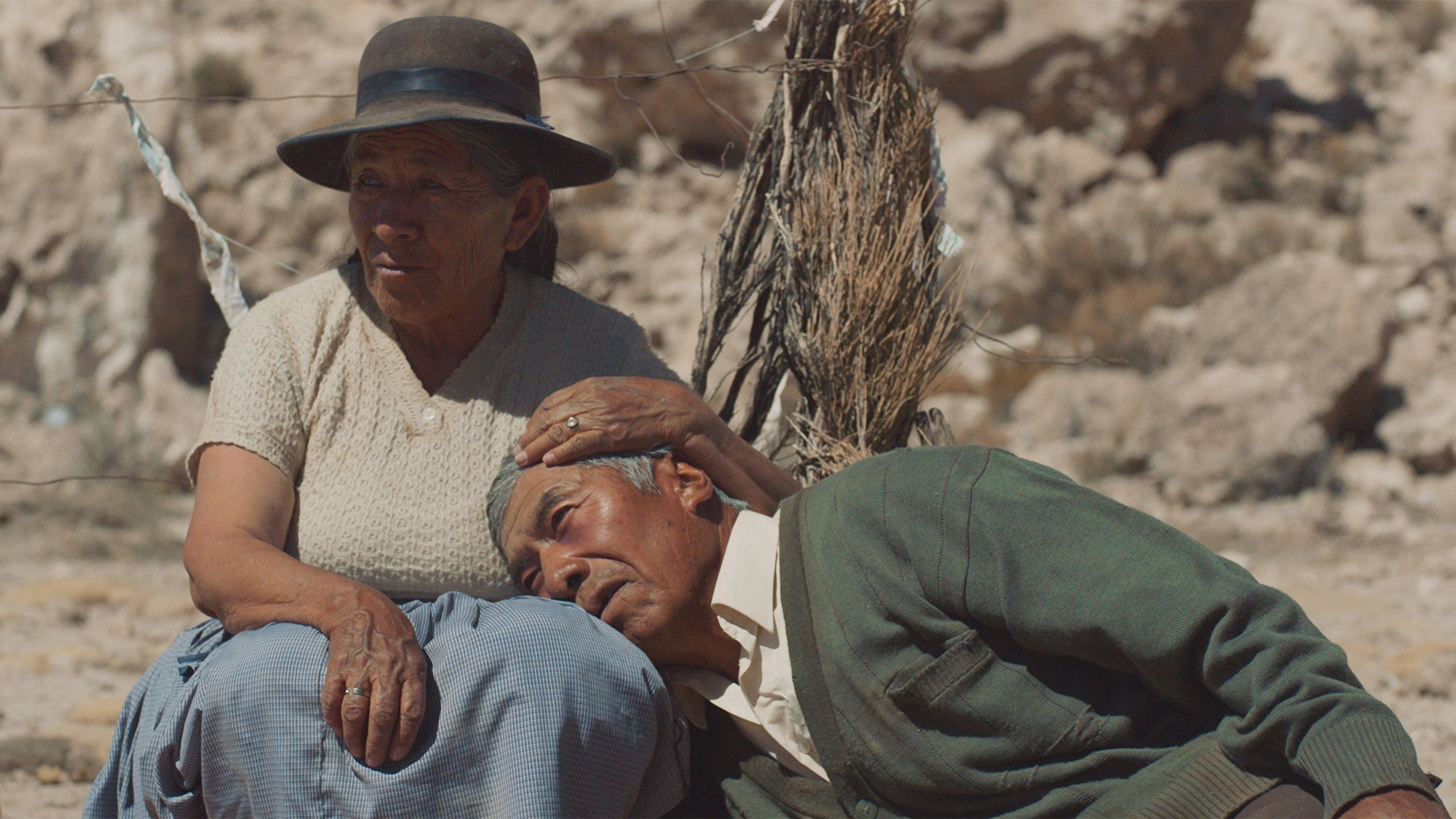
The film artfully blends archival footage, newspaper headlines, and original photographs with meticulously reconstructed scenes from the emotional trial. In some of the most poignant moments, actors of various ages and backgrounds authentically portray the testimonies of the victims. Mitre carefully selects a diverse range of stories from the 833 individuals who provided testimony during the trial, illustrating the far-reaching impact of the military dictatorship across the vast expanse of the South American country.
While the actual trial was only televised for a few minutes each day without sound, Mitre chooses to depict the courtroom proceedings in detail, providing viewers with exclusive insight into the trial's unfolding. By relying on archival footage, the film strives to faithfully recreate the experience of being present in the courtroom during one of the most significant trials of the 20th century. Mitre's portrayal allows the viewer to immerse themselves in the atmosphere and grasp the gravity of the events. Mitre captures the emotional impact of the survivors' testimonies, allowing the audience to witness firsthand the harrowing experiences endured under the military's rule.
Mitre takes some artistic liberties in portraying the prosecutorial team as young and inexperienced, adding a dramatic and occasionally lighthearted touch that symbolizes the fledgling democracy of post-dictatorship Argentina. Surrounding Strassera, a doubtful yet determined figure, are dynamic and youthful colleagues, while the defense attorneys representing the junta are portrayed as well-established middle-aged men. Prior to the trial, Strassera and his colleague review a list of potential attorneys to join their team. One by one, Strassera dismisses them as "fachos" (fascists) or individuals with ties to the military, highlighting the entanglement of the legal system and the military during that period.
"Argentina 1985" follows a similar vein as recent historical films such as "The Report" (2019), which explores the CIA's use of torture after 9/11, and "Operation Finale" (2018), depicting the Mossad's capture of Nazi leader Adolf Eichmann. This is not the first time an Argentine film addressing this chapter of history has received recognition at the Academy Awards. "The Official Story" won the Best Foreign Language Film award in 1986, and "The Secret in Their Eyes," also starring Darín, won in the same category in 2010.
One of the standout aspects of "Argentina 1985" is its ability to infuse levity and genuine moments of humor into a courtroom drama. Silvia, Strassera's wife, casually waves off yet another threatening phone call, expressing her indifference to the caller's empty threats. In a moment of tension within the courtroom, Strassera responds to the smirking military leaders on the defense bench with obscene gestures, injecting a playful sense of immaturity into the otherwise somber setting. Mitre skillfully interweaves moments of tension with a hint of humor, inviting the audience to appreciate the everyday strategies of humor and resilience that drive the prosecutorial team and their families in the face of seemingly insurmountable odds.
Ultimately, the film achieves its purpose: to demonstrate that through tireless efforts, a civilian government, dedicated civil servants, survivors of torture and repression, and ordinary people can confront a country's past, paving the way for transitional and restorative justice. In a time of extreme political polarization, "Argentina 1985" excels in showing that deeply entrenched loyalties—to institutions, leaders, or systems—can indeed be reevaluated and changed.
The film reaches its emotional and dramatic climax with Darín's poignant and flawless delivery of Strassera's nearly 11-minute-long closing argument. The phrase "never again," borrowed from novelist Ernesto Sabato's iconic prologue for the 1984 report issued by the National Commission on the Disappeared, belongs to the Argentine people, Strassera proclaims. Mitre's artistic contribution to Argentina and the collective memory of the world lies in the film's message that even seemingly untouchable perpetrators can be held accountable, and that a precedent and guidebook exist on how to achieve that.