Bolivian Film "Utama" Review
-
 Loading...
 - Adio Tarek
- 01 Jun 2023
- 78 Views
- 0 Like
- 0 Comment
Review of the Bolivian film "Utama" directed by acclaimed Bolivian filmmaker Alejandro Vargas, "Utama" takes viewers on an immersive journey through the vibrant landscapes and rich cultural heritage of Bolivia. With its captivating storytelling and visually stunning cinematography, this film has gained significant attention both domestically and internationally. Join us as we explore the various aspects that make "Utama" a remarkable cinematic experience.
Storyline and Synopsis
"Utama" revolves around the life of Maria, a young indigenous woman from a rural village in Bolivia. Set against the backdrop of the Andean mountains, the film follows Maria's quest to discover her true identity and overcome societal challenges. As she navigates through personal and cultural conflicts, Maria's journey becomes a powerful metaphor for the resilience and strength of indigenous communities in Bolivia.
Cinematography and Visuals
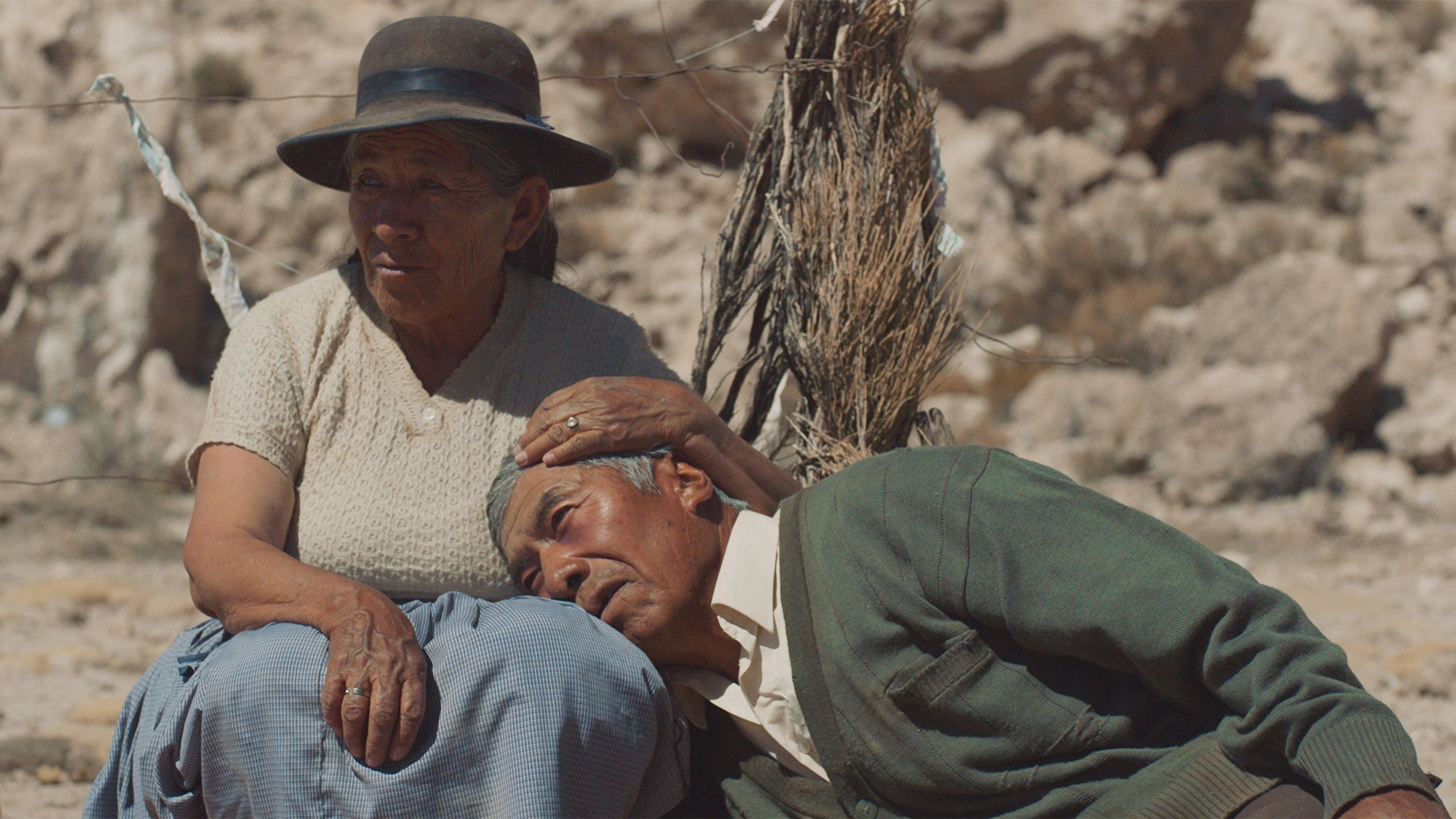
One of the standout elements of "Utama" is its breathtaking cinematography. From the sweeping aerial shots of the Bolivian landscapes to the intimate close-ups of the characters, every frame is meticulously crafted to convey the beauty and intricacy of the surroundings. The film beautifully captures the vibrant colors, textures, and natural beauty of Bolivia, immersing the audience in its captivating visuals.
Authentic Representation of Indigenous Culture
"Utama" shines a spotlight on the indigenous cultures of Bolivia, offering a nuanced and authentic portrayal of their traditions, struggles, and triumphs. The film seamlessly weaves elements of folklore, spirituality, and ancestral wisdom into the narrative, providing a glimpse into the rich tapestry of indigenous life. It celebrates the resilience and pride of indigenous communities while shedding light on the challenges they face in a modern society.
Acting Performances
The performances in "Utama" are outstanding, with the cast delivering compelling portrayals that bring the characters to life. Maria, played by the talented Bolivian actress Carla Torres, gives a captivating performance, effortlessly conveying the emotional depth and complexity of her character. The supporting cast, including seasoned Bolivian actors and indigenous community members, adds authenticity and depth to the storytelling.
Engaging Soundtrack and Musical Score
The film's soundtrack and musical score contribute significantly to the overall cinematic experience of "Utama." The haunting melodies and rhythmic beats resonate with the audience, enhancing the emotional impact of each scene. The use of traditional Bolivian instruments, such as the charango and panpipes, creates a unique sonic atmosphere that transports viewers into the heart of Bolivia's cultural heritage.
Themes Explored
"Utama" delves into several compelling themes that resonate with audiences worldwide. It explores the importance of cultural preservation, the complexities of identity, the power of community, and the pursuit of personal freedom. Through its thought-provoking narrative, the film invites viewers to reflect on their own cultural heritage and the significance of maintaining connections to one's roots.
Critical Acclaim and Awards
Since its release, "Utama" has received widespread critical acclaim and garnered several prestigious awards. The film's remarkable storytelling, cinematography, and cultural authenticity have been praised by both local and international film critics. In 2022, "Utama" won the Bolivian Film Award for Best Picture, cementing its place as a significant contribution to Bolivian cinema.
FAQs
1. What is the significance of the title "Utama"?
The word "Utama" holds deep cultural significance in Bolivia. Derived from the Aymara language, it translates to "essence" or "soul." The choice of this title reflects the film's exploration of identity and the search for one's true essence.
2. Is "Utama" based on a true story?
While "Utama" is not based on a specific true story, it draws inspiration from the experiences and challenges faced by indigenous communities in Bolivia. The film incorporates elements of folklore and cultural traditions to depict a universal narrative of self-discovery.
3. Where can I watch "Utama"?
"Utama" has gained international recognition and has been screened at various film festivals worldwide. To check for available screenings or streaming platforms, it is recommended to visit the official website of the film or consult local film distribution channels.
4. Has "Utama" been recognized internationally?
Yes, "Utama" has made a mark on the international film scene. It has been screened at prestigious film festivals and has received accolades for its artistic merit and cultural relevance.
5. Are there English subtitles available for "Utama"?
Yes, for international screenings and releases, "Utama" has been subtitled in multiple languages, including English. This enables a broader audience to appreciate the film's storytelling and connect with its themes.
6. What impact has "Utama" had on Bolivian cinema?
"Utama" has been a significant milestone in Bolivian cinema, contributing to the growth and recognition of the country's film industry. It has showcased the talents of Bolivian filmmakers, highlighted indigenous voices, and sparked a renewed interest in exploring diverse narratives within the national cinema.
In conclusion, the Bolivian film "Utama" is a remarkable cinematic achievement that captivates viewers with its compelling storytelling, stunning visuals, and authentic representation of indigenous culture. Through its exploration of identity, cultural heritage, and personal resilience, "Utama" leaves a lasting impression on its audience. As this film continues to gain recognition both domestically and internationally, it paves the way for a new era of Bolivian cinema that celebrates diversity and fosters cultural dialogue.